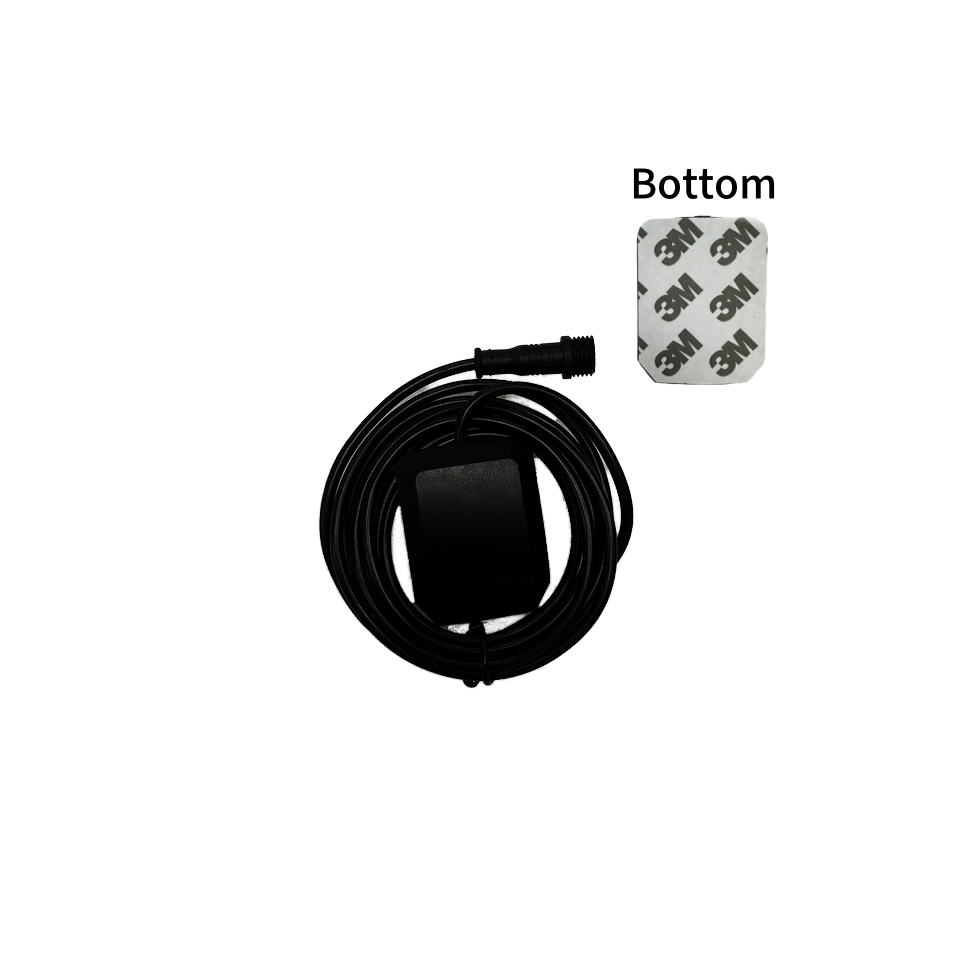
Moderne Internet-of-Things-Netzwerke erfordern kontinuierliche Standortverfolgungsfunktionen. Kompakte Tracking-Hardware ist häufig mit schwerwiegenden Energieeinschränkungen konfrontiert. Ein hoher Stromverbrauch entlädt kleine interne Batterien viel zu schnell. Glücklicherweise, ein Fortgeschrittener GPS-Empfänger mit geringem Stromverbrauch löst diese schwierigen technischen Herausforderungen problemlos. Es ermöglicht die langfristige Verfolgung intelligenter IoT-Anwendungen weltweit.
Diese energieeffiziente Hardware garantiert bleifreie Compliance (RoHS-Standards) für eine umweltfreundliche Elektronikfertigung. Außerdem, Sein integriertes Antennendesign vereinfacht Leiterplattenlayouts erheblich. Folglich, Produktdesigner bauen kleine tragbare Geräte heute viel schneller. Entdecken Sie unser Komplettangebot Produktkategorie line, um Ihre Ortungsgeräte jetzt zu aktualisieren.
4 Strom- und Signalengpässe bei IoT-Bereitstellungen
Intelligente IoT-Hardware und tragbare Geräte stehen täglich vor großen betrieblichen Hürden. Herkömmliche Standort-Engines verbrauchen ständig viel zu viel Batterieenergie. Ingenieure stehen regelmäßig vor vier primären Leistungsherausforderungen in der Praxis.
Häufige Batteriewartung in Asset Trackern
Fernüberwachungsgeräte überwachen Schiffscontainer auf langen internationalen Routen. Hochleistungs-GNSS-Empfänger entladen interne Batterien innerhalb weniger Wochen. Folglich, Logistikunternehmen verursachen enorme Arbeitskosten für den Ersatz leerer Batterien. Für die langfristige Vermögensverwaltung sind energieeffiziente Positionierungs-Hardware-Engines erforderlich.
Schneller Energieverbrauch in Taschencomputern
Taschencomputer und Handheld-Geräte erfordern kompakte Batteriegehäuse. Herkömmliche Ortungsmodule verbrauchen während der aktiven Signalverfolgung kontinuierlich Strom. daher, Strafverfolgungsbeamte sind während langer Schichten mit defekten Geräten konfrontiert. Tragbare Navigationsgeräte erfordern dringend energiesparende Ortungsempfänger.
Thermischer Fehler in Automotive-IoT-Installationen
Kfz-Ortungsgeräte sind täglich extremen Temperaturen im Motorraum ausgesetzt. Handelsübliche Empfänger überhitzen und leiden bei starker Hitze unter Signaldrift. Infolge, Fahrzeugtelematikplattformen verlieren genaue Datenpunkte zur Spuraufzeichnung. Chips in Automobilqualität müssen über extreme Temperaturbereiche hinweg zuverlässig funktionieren.
Schlechtes Positionierungssignal in Bereichen mit schwachem Blätterdach
Landwirtschaftliche Messgeräte werden häufig unter dichten Waldkronen eingesetzt. Schwache Satellitensignale zwingen Standardempfänger zu längeren Suchroutinen. Folglich, Diese kontinuierliche Signalsuche erschöpft die Batteriereserven sehr schnell. IoT-Geräte benötigen aktive Filter mit hoher Verstärkung, um schwache Signale sofort zu sperren.
Technische Lösungen: Integrierter LNA, GESEHEN, und Multi-GNSS-Engine
Der WT-2828-UN-TTL-AV Die Plattform verhindert den Batterieverbrauch durch integriertes, intelligentes Design. Es vereint Positionierungschip und Antenne in einem einzigen kompakten Modul.
Synchrone 3-GNSS-Konstellationsverfolgung
Unser fortgeschrittenes Modul empfängt drei Satellitenkonstellationen gleichzeitig. Angetrieben durch den Ublox-8030-Chip, es verfolgt 72 Kanäle gleichzeitig. Es verarbeitet GPS/QZSS L1, GLONASS L1, BeiDou B1, und Galileo E1-Signale. Außerdem, Es unterstützt alle globalen Satellitenerweiterungssysteme (SBAS) nahtlos. Schauen Sie sich unsere detaillierten Informationen an Technischer Leitfaden zum Thema Multi-GNSS-Konstellationsabstimmung.
Eingebauter High-Gain-LNA- und SAW-Filter
Das Modul enthält direkt einen speziellen LNA- und SAW-Filter mit hoher Verstärkung. Dieses zweistufige Design steigert die Leistung in schwachen Signalzonen erheblich. Auch mit passiven Antennen, Es erreicht problemlos ultraschnelle Positionierungssperren. Die Tracking-Empfindlichkeit erreicht einen beeindruckenden Wert -167 dBm für dichtes Blätterdach.
Hohe Leistung bei geringem Stromverbrauch
Optimierte Energieverwaltungsschaltkreise minimieren die aktive Stromaufnahme während der Standorterfassung. Schnelle Heißstarts dauern durchschnittlich nur 1 zweite. Kaltstarts erfordern nur 26 Sekunden unter normalen Himmelsbedingungen. Verarbeitungschips in Automobilqualität funktionieren kontinuierlich bei Temperaturen von -40 °C bis +105 °C.
Produktspezifikationen & Parametervergleich
Die folgende Tabelle hebt die wichtigsten Parameter für das Modul WT-2828-UN-TTL-AV hervor.
| Parameter / Besonderheit | WT-2828-UN-TTL-AV-Motor | Standardmäßiges kommerzielles GNSS-Modul |
| Unterstützte Konstellationen | Synchrones 3-GNSS (GPS/BDS/GLN/GAL) | Nur Einzel- oder Doppelkonstellation |
| Leistung & Empfindlichkeit | Geringer Stromverbrauch / -167 dBm-Tracking | Hoher Stromverbrauch / -155 DBM |
| Betriebstemperatur | Automobilqualität: -40°C bis +105°C | Kommerzielle Qualität: -20°C bis +70°C |
| Startleistung | Heißer Start: 1s Durchschn / Kalter Start: 26s Durchschn | Heißer Start: >5S / Kalter Start: >40S |
| Signalfilterung | Integrierter High-Gain-LNA + SAW-Filter | Externer Filterkreis erforderlich |
| Horizontale Präzision | 2.0m Horizontal / 30 ns Timepulse RMS | Grundlegende horizontale Genauigkeit von 5,0 m |
| Compliance-Standard | Bleifreie Compliance (RoHS-zertifiziert) | Grundlegende Standard-CE-Bewertung |
Vielseitige Anwendungsszenarien für die IoT-Bereitstellung
Dieses energieeffiziente Positionierungsmodul bedient mehrere moderne Technologiebereiche effektiv.
-
Automobil-IoT & Fahrzeugnavigation: Die Telematik-Hardware verfolgt die Flottenbewegungen genau und mit minimalem Batterieverbrauch.
-
Drohnen & Ausrüstung für die Strafverfolgung: Tragbare Geräte können bei langen Feldwechseln problemlos schnelle Standortbestimmungen vornehmen.
-
Taschencomputer & Handheld-Navigation: Tragbare Feldgeräte laufen den ganzen Tag über mit kleinen internen Akkus.
-
Spuraufzeichnung & Datenkalibrierung: Vermesser erfassen mühelos präzise GNSS-Datenpunkte über abgelegene Feldzonen hinweg.
-
Landwirtschaftliche Positionierung & Zeitmessausrüstung: Landmaschinen und Basisstationen empfangen täglich präzise atomare Zeitsignale.
Stärken Sie Ihre intelligenten IoT-Anwendungen noch heute mit langlebiger Standort-Hardware! Stöbern Sie in unserem umfassenden Produktkategorie Katalog, um jetzt Testmuster zu bestellen.