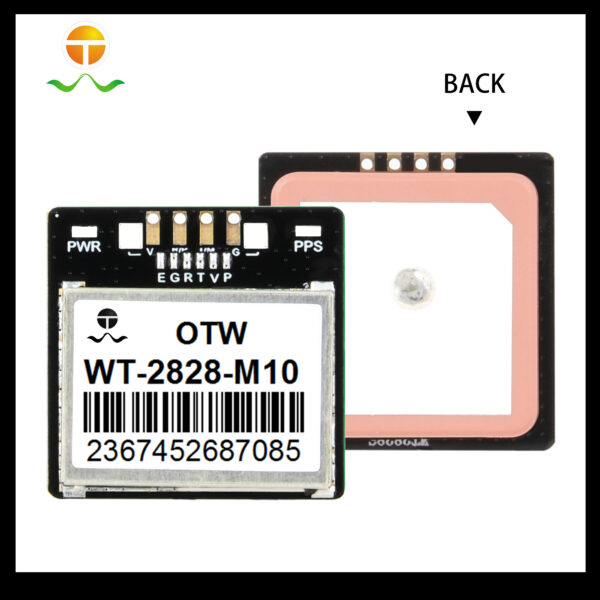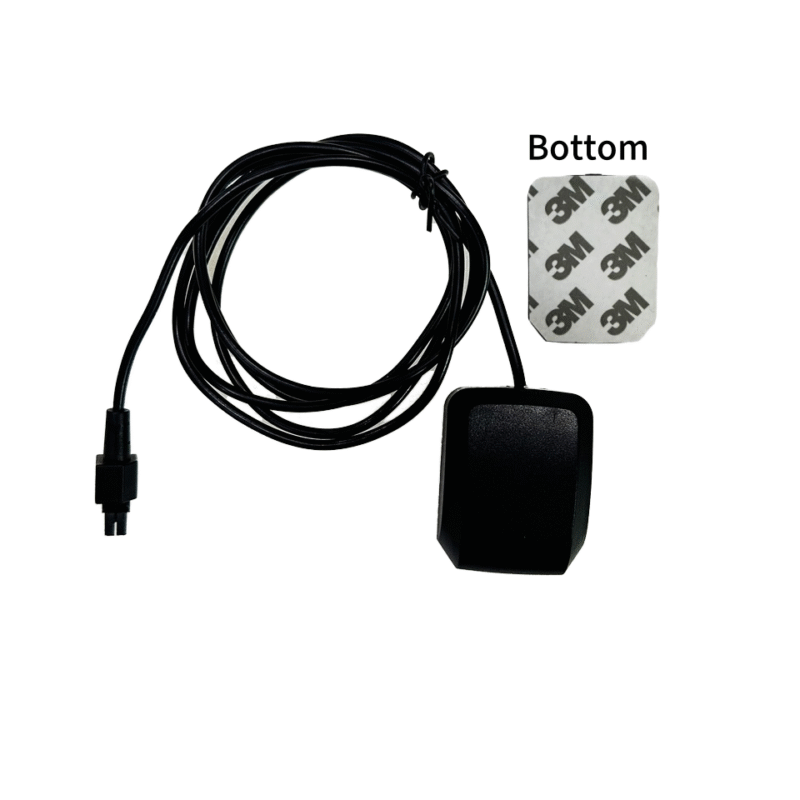
Moderne Navigation erfordert eine gleichbleibende Signalpräzision in verschiedenen Betriebsumgebungen. Komplexe Designs führen oft zu schwierigen Hardware-Layoutentscheidungen. Signalstörungen beeinträchtigen die Standortgenauigkeit in dicht besiedelten Stadtgebieten. Glücklicherweise, ein integrierter GPS-Empfängermodul löst diese schwierigen technischen Herausforderungen problemlos. Es versorgt Navigationssysteme der nächsten Generation mit zuverlässigen Standortdaten.
Diese leistungsstarke Hardware garantiert bleifreie Compliance (RoHS-Standards) für eine umweltfreundliche Produktion. Außerdem, Seine integrierte Antennenarchitektur vereinfacht das Leiterplattendesign. Folglich, Produktentwickler erstellen schlanke Tracking-Lösungen viel schneller. Entdecken Sie unser gesamtes Angebot Produktkategorie line, um Ihre Tracking-Hardware noch heute zu aktualisieren.
4 Navigationsprobleme in anspruchsvollen Szenarien
Fahrzeugtelematik und Handheld-Geräte sind täglich mit erheblichen Signalengpässen konfrontiert. Herkömmliche Standort-Engines fallen unter rauen physikalischen Bedingungen häufig aus. Ingenieure stehen regelmäßig vor vier primären Leistungsherausforderungen in der Praxis.
Schwacher Signalverlust in der städtischen Fahrzeugnavigation
Hochhäuser blockieren die Satellitensicht in modernen Stadtschluchten. Bei herkömmlichen Empfängern kommt es bei Stadtfahrten zu starken Signalausfällen. Infolge, Flottenmanagementsoftware erhält ungenaue Standortaktualisierungen. Fahrzeugnavigationssysteme erfordern aktive Filterkomponenten mit hoher Verstärkung.
Langsame Erfassungsverzögerungen bei Felddrohnen
Unbemannte Flugdrohnen erfordern vor dem Start schnelle Signalkorrekturen. Standardempfänger verschwenden wertvolle Zeit beim Festlegen der Kaltstartpositionen. Folglich, Besatzungen kommerzieller Kartierungsdrohnen verlieren wertvolle Batterielebensdauer. Eine schnelle Positionserfassung wird zu einer lebenswichtigen Fluganforderung.
Thermischer Ausfall in Automotive-IoT-Anwendungen
Die Telematik-Hardware für Kraftfahrzeuge arbeitet unter extremen Temperaturen unter der Motorhaube. Billige kommerzielle Receiver versagen, wenn die Umgebungstemperatur schnell ansteigt. daher, Fahrzeugortungssysteme werden während extremer Hitzewellen im Sommer abgeschaltet. Verarbeitungschips in Automobilqualität bleiben für den Dauerbetrieb unerlässlich.
Übermäßiger Batterieverbrauch bei Taschencomputern
Tragbare Handheld-Geräte erfordern ein kompaktes Design und eine lange Akkulaufzeit. Hochleistungs-Ortungschips entladen kleine interne Netzteile schnell. Daher, Polizeibeamte sind während langer Schichten mit toter Ausrüstung konfrontiert. Ein Hardwaredesign mit geringem Stromverbrauch ist eine dringende Notwendigkeit.
Technische Lösungen: Integrierter LNA, GESEHEN, und Multi-GNSS-Engine
Der WT-2828-UN-TTL-M Die Plattform behebt Signalverschlechterungen durch intelligente Integration. Es vereint Positionierungschip und Antenne in einem einzigen kompakten Modul.
Synchrone 3-GNSS-Konstellationsverfolgung
Unsere fortschrittliche Engine empfängt drei Satellitenkonstellationen gleichzeitig. Angetrieben durch den Ublox-8030-Chip, es verfolgt 72 Kanäle gleichzeitig. Es verarbeitet GPS/QZSS L1, GLONASS L1, BeiDou B1, und Galileo E1-Signale. Außerdem, Es unterstützt alle globalen Satellitenerweiterungssysteme (SBAS) nahtlos. Schauen Sie sich unsere detaillierten Informationen an Technischer Leitfaden zum Thema Multi-GNSS-Konstellationsabstimmung.
Eingebauter High-Gain-LNA- und SAW-Filter
Das Modul enthält direkt einen speziellen LNA- und SAW-Filter mit hoher Verstärkung. Dieses zweistufige Design steigert die Leistung in schwachen Signalzonen erheblich. Auch mit passiven Antennen, Es erreicht ultraschnelle Positionierungssperren. Die Tracking-Empfindlichkeit erreicht einen beeindruckenden Wert -167 dBm für dichtes Blätterdach.
Haltbarkeit auf Automobilniveau und präzises Timing
Chips in Automobilqualität funktionieren zuverlässig zwischen -40 °C und +105 °C. Daher, Auch raue Außenumgebungen beeinträchtigen die Standortverfolgung nicht. Heißstarts dauern durchschnittlich nur 1 zweite. Kaltstarts erfordern nur 26 Sekunden unter normalen Himmelsbedingungen. Zeitimpulssignale erreichen 30 ns RMS-Präzision für Zeitmessgeräte.
Produktspezifikationen & Parametervergleich
Die folgende Tabelle zeigt die wichtigsten Parameter für den WT-2828-UN-TTL-M-Motor.
| Parameter / Besonderheit | WT-2828-UN-TTL-M Empfänger | Standardmäßiges kommerzielles GNSS-Modul |
| GNSS-Architektur | Synchrones 3-GNSS (GPS/BDS/GLN/GAL) | Nur Einzel- oder Doppelkonstellation |
| Betriebstemperatur | Automobilqualität: -40°C bis +105°C | Kommerzielle Qualität: -20°C bis +70°C |
| Empfindlichkeitsprofil | Verfolgung: -167 DBM / Heißer Start: -157 DBM | Verfolgung: -155 DBM / Heißer Start: -145 DBM |
| Heiß / Kaltstartzeit | Heiß: 1s Durchschn / Kalt: 26s Durchschn | Heiß: >5S / Kalt: >40S |
| Signalverstärkung | Integrierter High-Gain-LNA + SAW-Filter | Externer Filterkreis erforderlich |
| Horizontale Genauigkeit | 2.0m Horizontal / 0.1 m/s Geschwindigkeit | Grundlegende horizontale Genauigkeit von 5,0 m |
| Compliance-Standard | Bleifreie Compliance (RoHS-zertifiziert) | Grundlegende Standard-CE-Bewertung |
Vielfältige Anwendungsszenarien für den industriellen Einsatz
Dieser vielseitige Positionierungsempfänger bedient mehrere moderne Technologiebereiche effizient.
-
Fahrzeugnavigation & Automobil-IoT: Flottenfahrzeuge verfolgen kontinuierlich präzise Routen durch dichte Stadtstraßen.
-
Drohnen & Ausrüstung für die Strafverfolgung: Unbemannte Flugplattformen erhalten vor Flugeinsätzen schnelle Positionierungssperren.
-
Taschencomputer & Tragbare Geräte: Außendiensttechniker bedienen den ganzen Tag über Handgeräte mit geringem Stromverbrauch.
-
Spuraufzeichnung & GNSS-Kalibrierung: Vermessungsingenieure kalibrieren die Datenpunkte der Gleisaufzeichnung mühelos vor Ort.
-
Landwirtschaftliche Positionierung & Timing: Automatisierte Traktoren und Basisstationen sorgen täglich für eine stabile Uhrensynchronisation.
Versorgen Sie Ihre modernen Navigationsplattformen noch heute mit hochpräzisen Trackingmodulen! Durchsuchen Sie unser komplettes Produktkategorie Katalog, um jetzt Testmuster zu bestellen.