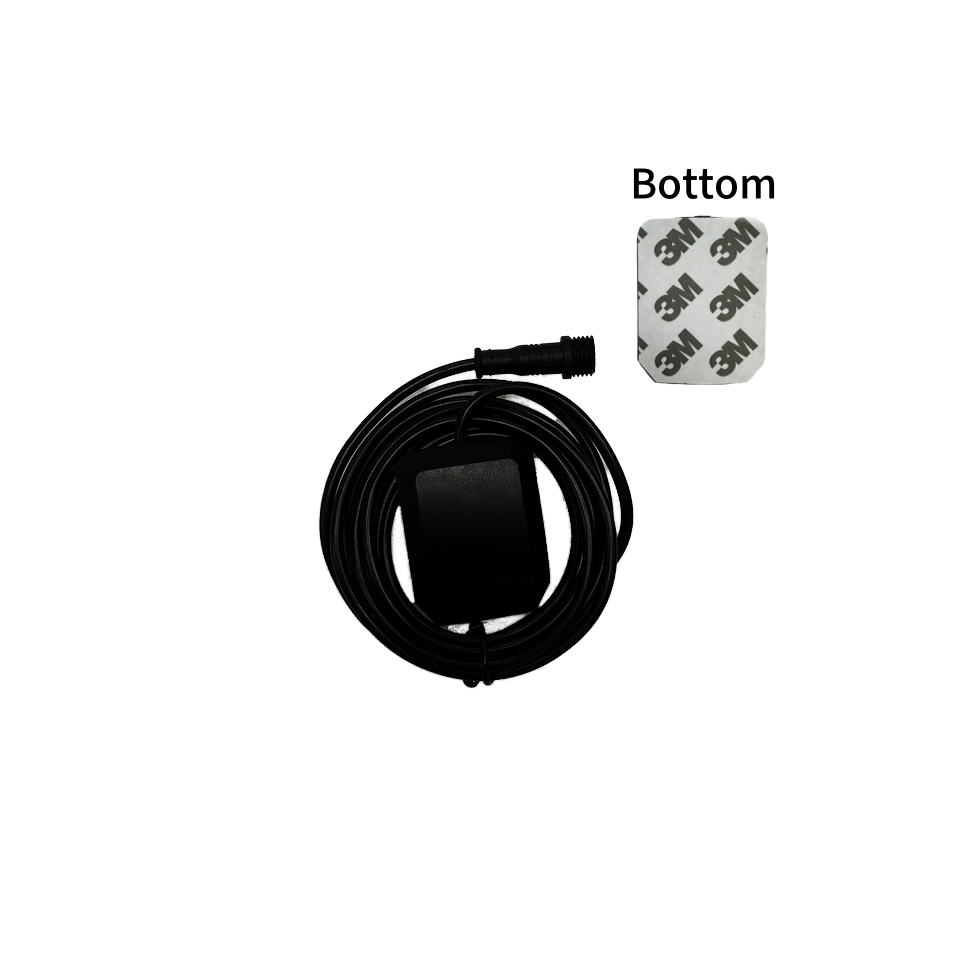
Les réseaux modernes de l'Internet des objets exigent des capacités de suivi de localisation continu. Le matériel de suivi compact est souvent confronté à de graves problèmes de contraintes énergétiques. Une consommation d'énergie élevée draine les petites batteries internes beaucoup trop rapidement. Heureusement, un avancé récepteur GPS basse consommation résout facilement ces défis d’ingénierie difficiles. Il permet un suivi à long terme des applications IoT intelligentes dans le monde entier.
Ce matériel économe en énergie garantit conformité sans plomb (Normes RoHS) pour une fabrication électronique respectueuse de l’environnement. En outre, sa conception d'antenne intégrée simplifie considérablement la disposition des circuits imprimés. Par conséquent, les concepteurs de produits construisent de petits appareils portables beaucoup plus rapidement aujourd'hui. Découvrez notre complète catégorie de produit ligne pour mettre à niveau vos dispositifs de suivi maintenant.
4 Goulots d'étranglement en matière d'alimentation et de signal dans les déploiements IoT
Le matériel IoT intelligent et les appareils portables sont quotidiennement confrontés à de graves obstacles opérationnels. Les moteurs de localisation traditionnels consomment constamment beaucoup trop d’énergie de la batterie. Les ingénieurs sont régulièrement confrontés à quatre principaux défis de performance dans le monde réel.
Entretien fréquent de la batterie dans les trackers d’actifs
Des dispositifs de suivi à distance surveillent les conteneurs maritimes sur de longues routes internationales. Les récepteurs GNSS haute puissance déchargent les batteries internes en quelques semaines. Par conséquent, les entreprises de logistique supportent d'énormes coûts de main-d'œuvre pour remplacer les batteries déchargées. La gestion des actifs à longue portée nécessite des moteurs matériels de positionnement économes en énergie.
Épuisement rapide de l’énergie dans les ordinateurs de poche
Les ordinateurs de poche et les équipements portables nécessitent des boîtiers de batterie compacts. Les modules de localisation conventionnels consomment de l'énergie continue pendant le suivi actif du signal. Donc, les forces de l'ordre sont confrontées à des appareils morts pendant de longues périodes de travail. Les équipements de navigation portables exigent de toute urgence des récepteurs de localisation à faible consommation d'énergie.
Panne thermique dans les installations IoT automobiles
Les dispositifs de suivi automobile subissent quotidiennement des températures extrêmes à l’intérieur des compartiments moteurs. Les récepteurs commerciaux standard surchauffent et subissent une dérive du signal sous une forte chaleur. Par conséquent, les plates-formes télématiques des véhicules perdent des points de données précis d'enregistrement des traces. Les puces de qualité automobile doivent fonctionner de manière fiable dans des plages de températures extrêmes.
Mauvais signal de positionnement dans les zones de canopée faible
Les équipements de mesure agricoles fonctionnent souvent sous un couvert forestier dense. Les signaux satellite faibles obligent les récepteurs standards à exécuter des routines de recherche prolongées. Par conséquent, cette recherche continue de signal épuise très rapidement les réserves de la batterie. Les appareils IoT ont besoin de filtres actifs à gain élevé pour verrouiller instantanément les signaux faibles.
Solutions techniques: LNA intégré, SCIE, et moteur multi-GNSS
Le WT-2828-UN-TTL-AV la plate-forme résout l'épuisement de la batterie grâce à une conception intelligente intégrée. Il combine la puce de positionnement et l'antenne dans un seul module compact.
Suivi synchrone des constellations 3-GNSS
Notre module avancé reçoit trois constellations de satellites simultanément. Alimenté par la puce Ublox-8030, il suit 72 canaux simultanément. Il traite le GPS/QZSS L1, GLONASS L1, BeiDou B1, et signaux Galileo E1. En outre, il prend en charge tous les systèmes mondiaux d'augmentation des satellites (SBAS) en toute transparence. Consultez notre détail guide-technique sur le réglage de la constellation multi-GNSS.
Filtre LNA et SAW à gain élevé intégré
Le module intègre directement un filtre LNA et SAW spécialisé à gain élevé. Cette conception à deux étages améliore considérablement les performances dans les zones de signal faible. Même avec des antennes passives, il réalise facilement des verrouillages de positionnement ultra-rapides. La sensibilité du suivi atteint un niveau impressionnant -167 dBm pour le suivi d'une canopée dense.
Hautes performances avec une faible consommation d'énergie
Les circuits de gestion de l'énergie optimisés minimisent la consommation de courant actif pendant l'acquisition de localisation. Des démarrages à chaud rapides s'effectuent en moyenne en seulement 1 deuxième. Les démarrages à froid nécessitent uniquement 26 secondes dans des conditions de ciel normales. Les puces de traitement de qualité automobile fonctionnent en douceur à des températures de -40°C à +105°C en continu.
Spécifications du produit & Comparaison des paramètres
Le tableau ci-dessous met en évidence les paramètres clés du module WT-2828-UN-TTL-AV.
| Paramètre / Fonctionnalité | Moteur WT-2828-UN-TTL-AV | Module GNSS commercial standard |
| Constellations prises en charge | 3-GNSS synchrone (GPS/BDS/GLN/GAL) | Constellation simple ou double uniquement |
| Pouvoir & Sensibilité | Faible consommation d'énergie / -167 Suivi des dBm | Consommation d'énergie élevée / -155 dbm |
| Température de fonctionnement | Qualité automobile: -40°C à +105°C | Qualité commerciale: -20°C à +70°C |
| Performances de démarrage | Démarrage à chaud: 1s moyenne / Démarrage à froid: 26s moyenne | Démarrage à chaud: >5s / Démarrage à froid: >40s |
| Filtrage des signaux | LNA intégré à gain élevé + Filtre SAW | Circuit de filtrage externe requis |
| Précision horizontale | 2.0mHorizontale / 30 ns impulsion temporelle RMS | Précision horizontale de base de 5,0 m |
| Norme de conformité | Conformité sans plomb (Certifié RoHS) | Norme de base CE |
Scénarios d'application polyvalents pour le déploiement de l'IoT
Ce module de positionnement économe en énergie sert efficacement plusieurs secteurs technologiques modernes.
-
IdO automobile & Navigation des véhicules: Le matériel télématique suit les mouvements de la flotte avec précision avec une consommation de batterie minimale.
-
Drones & Équipement d'application de la loi: Les appareils portables acquièrent facilement des verrous de localisation rapides lors de longs déplacements sur le terrain.
-
Ordinateurs de poche & Navigation portable: Les appareils de terrain portables fonctionnent toute la journée avec de petites batteries internes.
-
Enregistrement de piste & Calibrage des données: Les géomètres enregistrent sans effort des points de données GNSS précis dans les zones de terrain éloignées.
-
Positionnement agricole & Équipement de chronométrage: Les machines agricoles et les stations de base maintiennent quotidiennement des signaux de synchronisation atomique précis.
Renforcez dès aujourd’hui vos applications IoT intelligentes avec du matériel de localisation durable! Parcourez notre gamme complète catégorie de produit catalogue pour commander des échantillons d'évaluation maintenant.