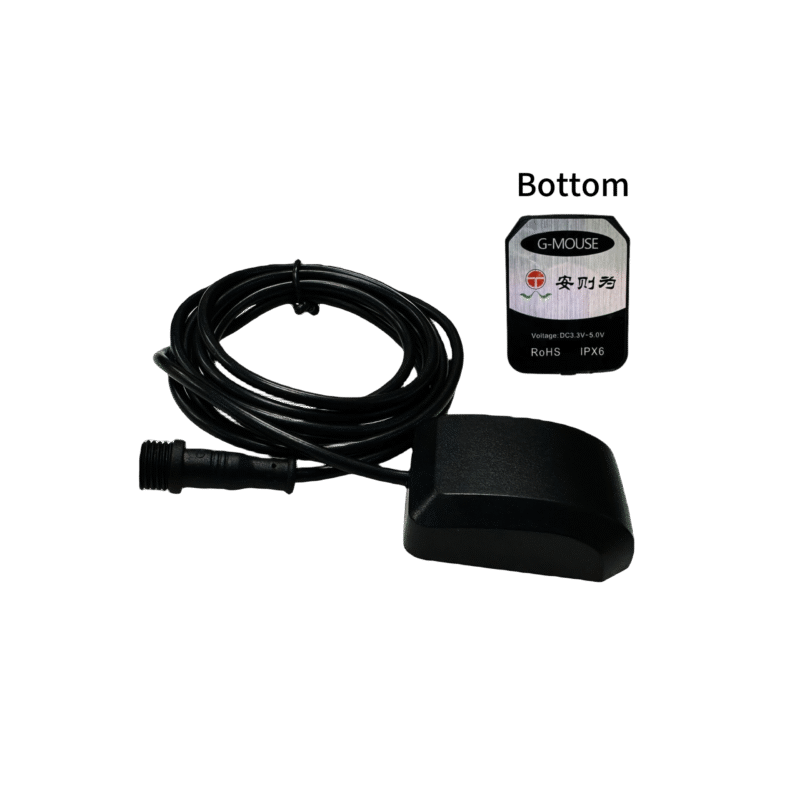
Shared mobility and vehicle tracking require reliable positioning across changing environments. A G-mouse GPS receiver combines satellite navigation, compact integration, and convenient installation. Moreover, modern GNSS positioning technology supports fleet management, location services, and connected mobility applications. For B2B buyers, selecting the right receiver involves more than checking basic specifications. Instead, teams should evaluate accuracy, satellite compatibility, installation needs, and long-term operating costs.
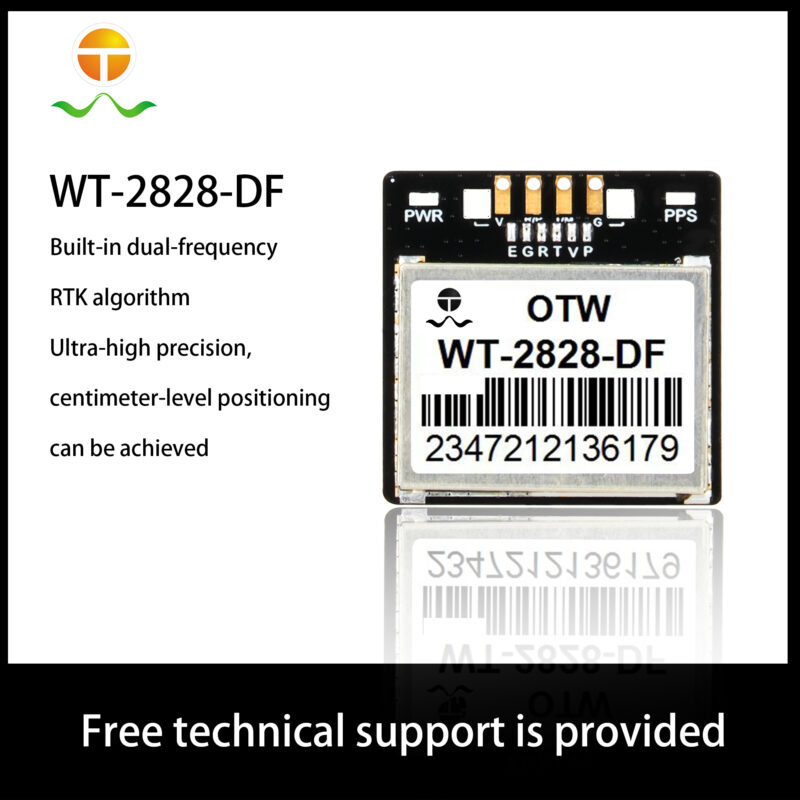
The WT-2828-DF addresses these requirements through four-system, dual-frequency reception. It also integrates positioning components into a practical design. Therefore, it suits projects involving shared two-wheelers, vehicle tracking, GIS collection, and intelligent IoT devices. Buyers can also evaluate its suitability for agricultural machinery and drone applications.

How Can G-Mouse GPS Improve Shared Mobility Tracking?
Shared bicycles and electric two-wheelers need consistent location updates. Operators use these records to manage fleets and support vehicle recovery. However, buildings, covered parking, and narrow streets can affect satellite reception. Consequently, receiver selection should consider the actual operating environment.
Multi-System Reception for Flexible Positioning
The WT-2828-DF supports GPS, BDS, Galileo, and GLONASS. Furthermore, its dual-frequency design receives multiple supported satellite signals. This capability gives positioning systems more signal options across different environments.
The receiver supports GPS L1C/A and L5 frequencies. It also supports BDS B1I, B2a, and B1C signals. In addition, Galileo E1 and E5a expand its supported signal range. GLONASS L1 provides another navigation option.
For shared mobility providers, this architecture supports flexible integration. Nevertheless, actual positioning performance depends on satellite visibility and installation conditions. Device configuration and antenna placement also influence results.

What Helps Vehicle Tracking in Sheltered Environments?
Vehicle tracking devices often operate near buildings, under canopies, or inside parking structures. These environments can limit direct satellite visibility. Therefore, buyers should assess receiver performance under representative conditions.
Which Features Support Cost-Effective Fleet Deployment?
Large fleets require manageable hardware costs and straightforward installation. Moreover, integrators must consider assembly time, maintenance access, and system compatibility. A well-integrated receiver can simplify these implementation tasks.
Integrated Design for Easier Installation
The WT-2828-DF features an integrated antenna positioning design. As a result, equipment designers can plan installation around a consolidated positioning solution. This approach may simplify mechanical integration and reduce assembly complexity.
However, the final installation process depends on enclosure design and mounting requirements. Buyers should confirm dimensions, interfaces, and connection details before production.
For project planning, review our product category and customization options at product-category. This resource can help purchasing teams identify suitable products for their application requirements.

How Can GNSS Receivers Support GIS and Industrial Equipment?
GNSS positioning also serves applications beyond conventional vehicle tracking. For example, GIS teams collect geographic data using handheld terminals. Meanwhile, agricultural equipment and drones need location information for navigation and operational monitoring.
Flexible Support for Multiple Applications
The WT-2828-DF supports GIS collection and displacement monitoring. It also targets lawn mowers, farming machines, and drones. Additionally, its supported applications include personnel positioning and vehicle afterloading.
These use cases have different accuracy and integration requirements. Therefore, engineering teams should define their operating conditions before selecting a receiver. They should also assess update rates, interfaces, and power requirements.
A structured technical review helps align hardware selection with project goals. For further planning, explore our GNSS technical guide. It provides a suitable internal-link destination for receiver selection and integration guidance.
Which G-Mouse GPS Specifications Should Buyers Check?
B2B buyers should evaluate supported signals alongside positioning requirements. In addition, they should confirm environmental conditions and system compatibility. The following table summarizes the WT-2828-DF’s stated capabilities.
| Evaluation item | WT-2828-DF specification | Application value |
| Satellite systems | GPS, BDS, Galileo, GLONASS | Supports multi-constellation positioning |
| GPS signals | L1C/A, L5 | Provides dual-frequency GPS reception |
| BDS signals | B1I, B2a, B1C | Supports multiple BDS signal bands |
| Galileo signals | E1, E5a | Expands supported satellite signals |
| GLONASS signals | L1 | Adds another navigation constellation |
| Antenna design | Integrated positioning design | Helps simplify installation planning |
Note: The table reflects the supplied product information. Confirm interfaces, dimensions, operating temperature, certifications, and other specifications with the supplier.
Choosing a Reliable G-Mouse GPS Supplier
A suitable G-mouse GPS receiver should match the project’s positioning targets and operating environment. Therefore, buyers should assess signal support, integration requirements, and expected deployment volume together.
The WT-2828-DF combines multi-system, dual-frequency reception with functionality. Its integrated design also supports practical installation planning. These features make it worth evaluating for shared mobility, vehicle tracking, GIS equipment, and industrial positioning.
For B2B procurement, overall value also depends on product consistency and technical support. Buyers should confirm quality-control procedures, customization options, and delivery requirements before placing orders. Furthermore, sample testing can help verify compatibility with the target device.
Contact our team to discuss the WT-2828-DF for your positioning project. Share your application, accuracy targets, and expected order quantity. We can then help assess its suitability for your integration and procurement needs.