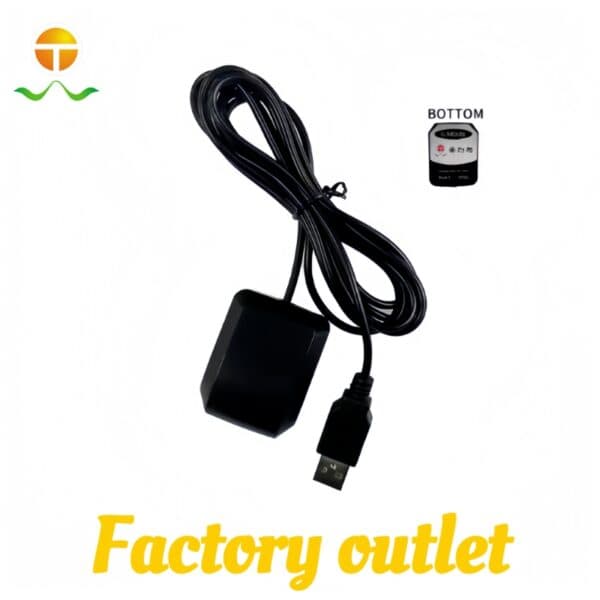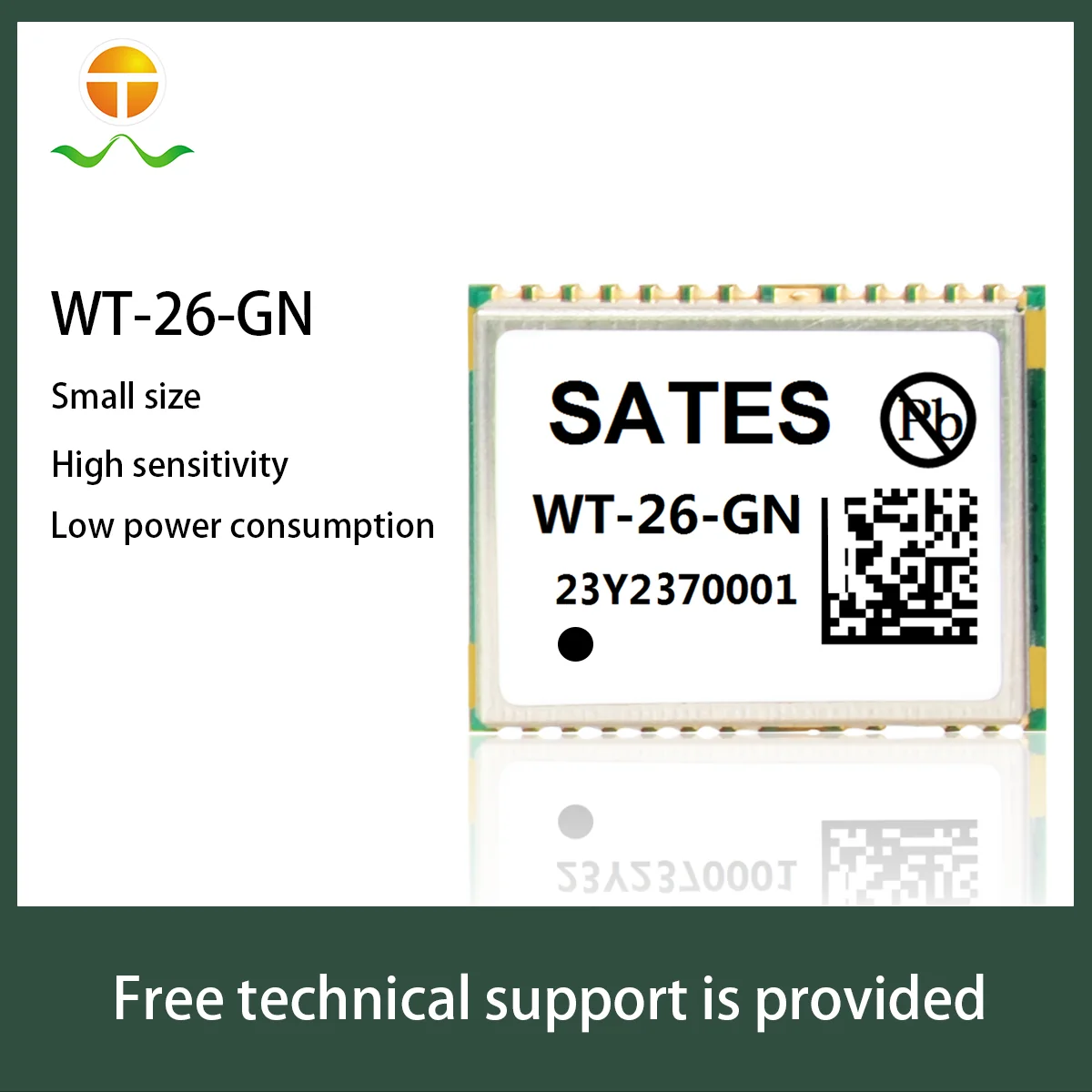
A reliable vehicle GNSS receiver module supports accurate positioning across changing environments. It helps automotive systems, logistics fleets, and mobile equipment maintain dependable location data. Moreover, modern GNSS technology supports multi-constellation reception, low-power operation, and interference suppression. These capabilities help businesses develop practical navigation solutions. Therefore, choosing the right module requires evaluating its technical features and application needs.
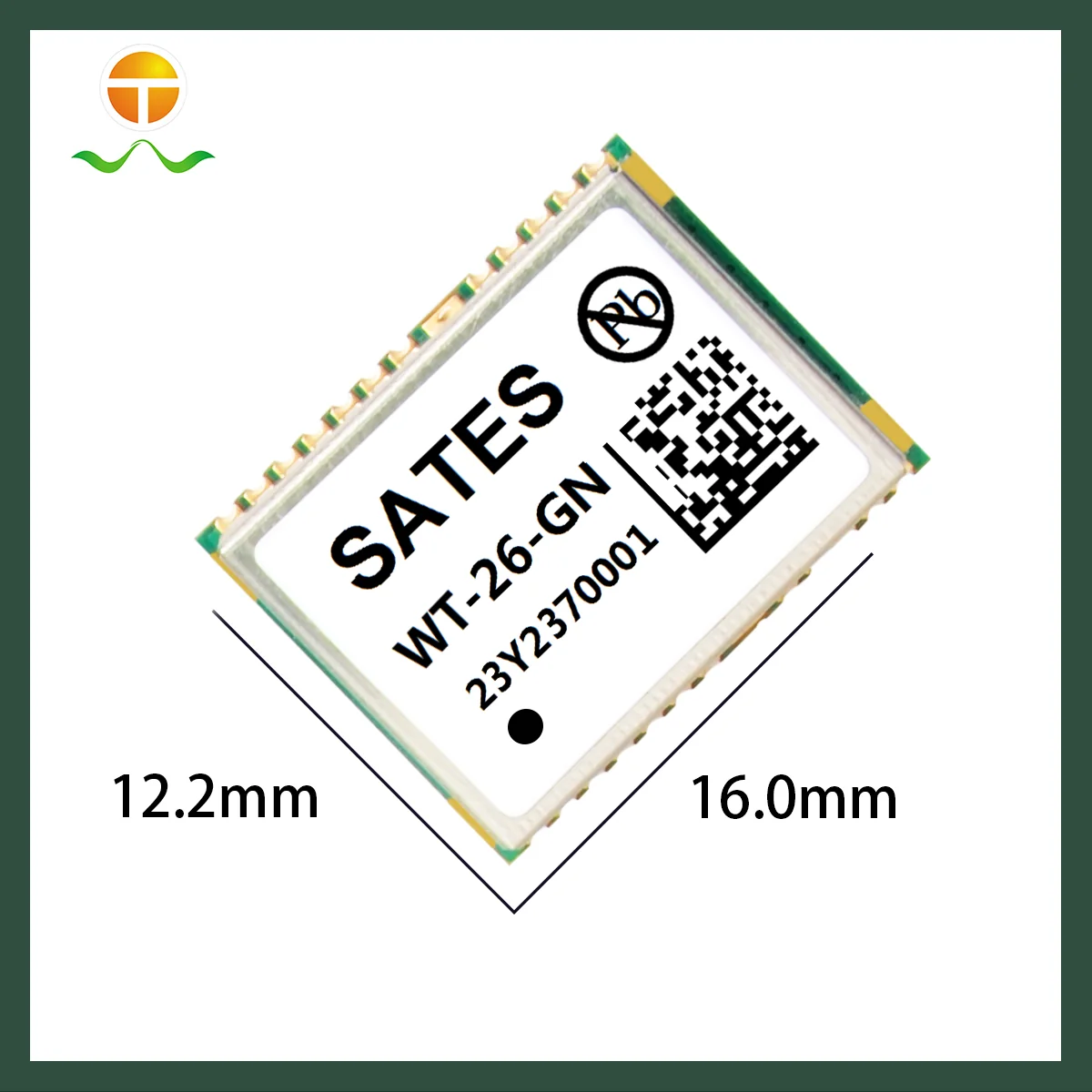
The WT-26-GN from Shenzhen Anzewei Technology Co., Ltd. offers multi-constellation reception and power-conscious positioning. It suits automotive systems, handheld devices, smart agriculture, and drones. For B2B buyers, it also offers a practical option for product integration and customized development.

How Does a Vehicle GNSS Receiver Module Handle Signal Interference?
Vehicles operate in environments with buildings, electronic equipment, and reflective surfaces. These conditions can influence satellite signal reception. Consequently, a vehicle GNSS receiver module needs effective radio-frequency design and interference suppression.
The WT-26-GN uses a complex RF design with interference suppression capabilities. This approach supports reception in challenging GNSS environments. In addition, suitable antenna placement and careful circuit integration can improve system performance.
Designers should evaluate the complete positioning system. They should consider antenna characteristics, surrounding electronics, and installation conditions. As a result, they can build a more dependable navigation solution.
For OEM projects, these factors also help guide enclosure design and hardware integration. Buyers can explore our GNSS Product Range to review relevant positioning solutions.

Why Does Multi-Constellation Reception Matter for Vehicle Navigation?
A vehicle may travel through urban streets, open highways, and rural roads. Meanwhile, satellite visibility changes with buildings, terrain, and installation conditions. Multi-constellation reception can help a receiver access more positioning signals.
The WT-26-GN can receive signals from three GNSS systems simultaneously. This capability expands the available satellite signal options. Therefore, it can support positioning designs that require reliable navigation data across varied environments.
However, actual accuracy depends on several factors. These include satellite geometry, signal obstruction, antenna performance, and the surrounding environment. Integrators should validate positioning results under their intended operating conditions.
For fleet tracking and agricultural equipment, multi-constellation reception provides useful design flexibility. It can also support handheld devices and drone applications.
How Can a Low-Power GNSS Module Support Long Operating Hours?
Power consumption matters in vehicle electronics and portable devices. For example, tracking terminals may operate for extended periods. Agricultural equipment may also require consistent positioning during long working sessions.
The WT-26-GN provides high sensitivity and short acquisition times. It also maintains a focus on low system power consumption. Together, these characteristics help developers balance positioning responsiveness and energy requirements.
Actual power demand depends on system configuration and operating conditions. Antenna selection, firmware settings, and update frequency can also influence consumption. Therefore, engineers should test the integrated product rather than assess the module alone.
For B2B manufacturers, this balance can support practical product development. It may also help simplify power-budget planning across different device categories.
What Should Buyers Check for Faster GNSS Acquisition?
Navigation products often need to determine their position shortly after startup. However, acquisition time depends on signal conditions and available satellite information. This makes acquisition performance an important selection criterion.
The WT-26-GN combines high sensitivity with minimal acquisition time. These features can help positioning systems establish satellite reception efficiently. Nevertheless, the actual time varies with signal strength, startup conditions, and stored satellite data.
During product validation, engineers should test both open-sky and partially obstructed environments. They should also assess startup behavior after different shutdown periods. Consequently, they can better understand performance in real operating scenarios.
For additional engineering considerations, visit our GNSS Technical Guide. It can serve as a useful internal resource for positioning system development.
How Do Security and Supply Planning Affect Module Selection?
Commercial positioning products need more than reception performance. Buyers must also consider system integrity, integration requirements, and supply planning. These factors influence product deployment and long-term procurement.
The WT-26-GN provides security and integrity protection features. These capabilities support projects that require attention to positioning data reliability. However, buyers should confirm the specific protection mechanisms and applicable requirements with the supplier.
The product also supports a Zero PPM plan. Buyers should clarify its definition, scope, and applicable acceptance criteria before procurement. This step helps align expectations between engineering, quality, and purchasing teams.
For OEM and ODM projects, clear specifications can reduce integration uncertainty. In addition, early technical communication helps buyers assess quality, cost, and production suitability.
WT-26-GN Vehicle GNSS Receiver Module: Feature Overview
The following table summarizes the available product information. It separates confirmed features from details that require supplier verification.
| Evaluation Item | WT-26-GN Details | Application Value |
| GNSS reception | Receives three GNSS systems simultaneously | Supports multi-constellation positioning |
| Signal sensitivity | High sensitivity | Helps support satellite acquisition |
| Acquisition time | Minimal acquisition time | Supports responsive positioning |
| Power consumption | Low system power consumption | Helps with power-budget planning |
| RF performance | Complex RF design and interference suppression | Supports challenging signal environments |
| Security | Security and integrity protection | Supports reliability-focused designs |
| Quality planning | Zero PPM plan | Requires confirmation of scope and criteria |
| Applications | Automotive, handheld devices, smart agriculture, and drones | Supports multiple product categories |
Note that the supplier should confirm detailed electrical specifications, supported constellations, operating temperature, certifications, and test results before final design approval.
Why Choose Shenzhen Anzewei Technology Co., Ltd.?
Shenzhen Anzewei Technology Co., Ltd. develops, manufactures, sells, and supports wireless positioning and communication products. The company works with leading international companies. It also draws on an experienced research and design team.
Its portfolio covers navigation, positioning, tracking, timing, communication, and wireless connectivity. Products support applications such as vehicle monitoring, logistics, agricultural protection, law enforcement, and drone control.
For B2B buyers, this technical focus offers a foundation for project discussions. Moreover, a broad application portfolio helps customers explore solutions for different product requirements. Buyers can discuss integration needs, target costs, and volume expectations with the company.
The WT-26-GN provides a practical combination of multi-constellation reception, low-power operation, and interference suppression. These features make it worth evaluating for automotive and portable positioning projects.
Frequently Asked Questions
What is a vehicle GNSS receiver module?
A vehicle GNSS receiver module processes satellite signals to determine location and related positioning information. Developers integrate it into navigation systems, tracking terminals, and connected vehicle devices.
Which WT-26-GN applications can businesses consider?
The WT-26-GN supports automotive applications, handheld devices, smart agriculture, and drones. Buyers should confirm suitability against their system specifications and operating conditions.
How can buyers request technical information?
Contact Shenzhen Anzewei Technology Co., Ltd. with your application, target production volume, and integration requirements. The team can help clarify available specifications, quality requirements, and procurement options.
What makes Shenzhen Anzewei Technology Co., Ltd. a relevant supplier?
The company focuses on wireless positioning and communication technologies. Its product portfolio covers tracking, navigation, timing, and wireless connectivity. This experience supports technical discussions across multiple industries.
Build a Reliable Positioning Solution with WT-26-GN
Choosing the right vehicle GNSS receiver module starts with matching technical capabilities to real operating needs. Multi-constellation reception, signal sensitivity, power consumption, and interference suppression all deserve careful evaluation.
The WT-26-GN offers a combination of these features for different positioning applications. For manufacturers and system integrators, early technical consultation can help clarify integration requirements and purchasing priorities.
Explore the GNSS Product Range or review the GNSS Technical Guide. Contact Shenzhen Anzewei Technology Co., Ltd. to discuss your project and request a quotation.