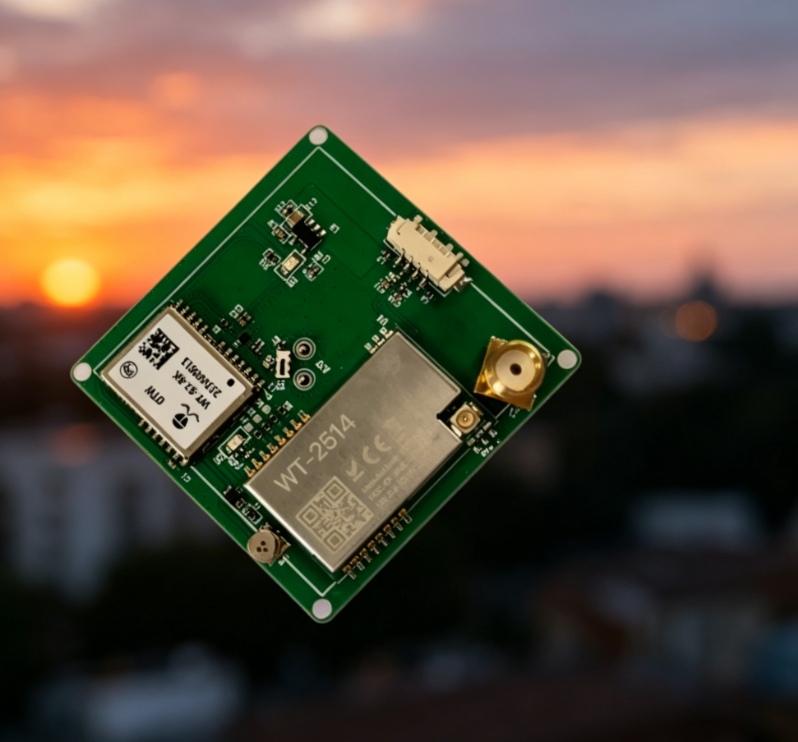
การตรวจสอบการเคลื่อนตัวของโครงสร้างในพื้นที่ห่างไกลในปัจจุบันถือเป็นเรื่องท้าทายมาก. โดยเฉพาะ, วิศวกรจะต้องติดตามการเคลื่อนไหวเล็กๆ น้อยๆ ในสะพานและเขื่อน. ไซต์เหล่านี้มักขาดการเข้าถึงโครงข่ายไฟฟ้าหลัก. ดังนั้น, พวกเขาจะต้องพึ่งพาระบบพลังงานแสงอาทิตย์ทั้งหมด. อย่างไรก็ตาม, เซ็นเซอร์ความแม่นยำสูงแบบเดิมใช้พลังงานไฟฟ้ามากเกินไป. เพราะเหตุนี้, แบตเตอรี่หมดเร็วในช่วงที่มีเมฆมากหรือฝนตก. โมดูล RTK พลังงานต่ำช่วยแก้ปัญหาพลังงานที่สำคัญนี้. ให้ความแม่นยำระดับเซนติเมตรในขณะที่ใช้พลังงานน้อยที่สุด. นี้ “ความเชี่ยวชาญ” ตรวจสอบให้แน่ใจว่าไซต์ตรวจสอบของคุณยังคงทำงานอยู่ 24/7. ให้เราสำรวจคุณประโยชน์ของเทคโนโลยีสมัยใหม่นี้กัน! 🛰️☀️
ความแม่นยำที่ไม่มีใครเทียบได้ด้วยการรองรับหลายระบบ
การตรวจสอบที่มีความแม่นยำสูงจำเป็นต้องล็อคดาวเทียมหลายดวงอย่างต่อเนื่อง. ดังนั้น, ฮาร์ดแวร์ของคุณต้องประมวลผลสัญญาณที่หลากหลายพร้อมกัน.
ความสามารถความถี่คู่สี่ระบบ
การตรวจสอบสมัยใหม่ต้องการมากกว่าสัญญาณ GPS พื้นฐาน. โดยเฉพาะ, โมดูล RTK พลังงานต่ำรองรับ BDS B1I/B2a/B1C และ GPS L1C/A/L5. นอกจากนี้ยังติดตามกลุ่มดาว GAL E1/E5a และ GLONASS L1. เพราะเหตุนี้, โมดูลค้นหาดาวเทียมได้มากขึ้นในภูมิประเทศที่ยากลำบาก. นี้ “เผด็จการ” วิธีการหลายระบบช่วยลดเงาของสัญญาณได้อย่างมาก. ความพร้อมใช้งานของดาวเทียมที่ดีขึ้นนำไปสู่ ข้อมูลการเคลื่อนที่ระยะไกลที่เชื่อถือได้.
อัลกอริธึม RTK ความถี่คู่ในตัว
ความเร็วในการประมวลผลภายในมีความสำคัญสำหรับไซต์การตรวจสอบแบบเรียลไทม์. ดังนั้น, โมดูล RTK พลังงานต่ำมีอัลกอริธึมในตัว. โดยเฉพาะ, อัลกอริธึม RTK แบบความถี่คู่นี้จัดการการแก้ไขข้อผิดพลาดที่ซับซ้อน. เพราะเหตุนี้, คุณบรรลุก “น่าเชื่อถือ” ผลลัพธ์การวางตำแหน่งระดับเซนติเมตรทันที. นี้ “ความเชี่ยวชาญ” ไม่จำเป็นต้องใช้โปรเซสเซอร์ภายนอกจำนวนมาก. มันมี โซลูชันอัลกอริทึม RTK ระดับมืออาชีพ สำหรับ 2026.
LoRa ในตัวเพื่อการสื่อสารที่ราบรื่น
การส่งข้อมูลมักเป็นการใช้พลังงานที่ใหญ่ที่สุดสำหรับเซ็นเซอร์. โดยเฉพาะ, การส่งข้อมูลในระยะทางไกลต้องใช้เทคโนโลยีไร้สายที่มีประสิทธิภาพ.
การสื่อสารโดยตรงกับสถานีฐาน
โมเด็มเซลลูล่าร์มาตรฐานใช้พลังงานแบตเตอรี่มาก. ดังนั้น, วิศวกรชอบระยะไกล, โซลูชั่นวิทยุพลังงานต่ำ. โดยเฉพาะ, โมดูลนี้รวมโมดูลการส่งข้อมูล LoRa. เพราะเหตุนี้, มันสื่อสารโดยตรงกับสถานีฐานท้องถิ่น. นี้ “เผด็จการ” การบูรณาการทำให้การตั้งค่าฮาร์ดแวร์ทั้งหมดง่ายขึ้น. นอกจากนี้, ทำให้สามารถสื่อสารได้ไกลหลายกิโลเมตร. การบูรณาการที่ดีขึ้นทำให้ต้นทุนรวมของระบบลดลงอย่างมาก.
ลดการเดินสายไฟในสถานที่และความซับซ้อน
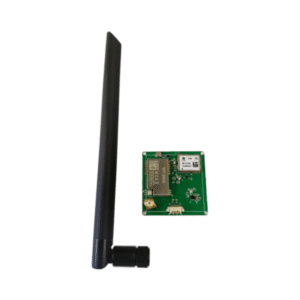
ส่วนประกอบภายนอกที่น้อยลงหมายถึงจุดที่อาจเกิดความล้มเหลวน้อยลง. ดังนั้น, โมดูล RTK พลังงานต่ำแบบออลอินวันเหมาะอย่างยิ่ง. โดยเฉพาะ, คุณไม่จำเป็นต้องใช้โมเด็มวิทยุแยกต่างหาก. เพราะเหตุนี้, กระบวนการติดตั้งจะเร็วและง่ายขึ้นมาก. นี้ “น่าเชื่อถือ” การออกแบบที่สมบูรณ์แบบสำหรับเนินเขาที่ห่างไกล. ตัวเลือกการออกแบบเชิงรุกส่งผลให้ระบบมีเวลาทำงานสูงขึ้นมาก.
เหตุใดการใช้พลังงานต่ำจึงเป็นข้อได้เปรียบหลัก
ไซต์ที่ใช้พลังงานแสงอาทิตย์จะต้องจัดการงบประมาณด้านพลังงานอย่างเคร่งครัด. โดยเฉพาะ, เงินออมทุกล้านจะช่วยยืดอายุการใช้งานของเว็บไซต์.
การวางตำแหน่งที่รวดเร็วและการดึงที่ต่ำมาก
หน่วย RTK แบบเดิมใช้เวลาหลายนาทีในการค้นหาวิธีแก้ไข. ดังนั้น, อุปกรณ์จะอยู่ในสถานะพลังงานสูงได้นานขึ้น. โดยเฉพาะ, โมดูล RTK พลังงานต่ำมีการวางตำแหน่งที่รวดเร็ว. มันถึงก “ที่ตายตัว” สถานะในเวลาเพียงไม่กี่วินาที. เพราะเหตุนี้, โมดูลสามารถนอนหลับได้นานขึ้นระหว่างรอบการวัด. นี้ “ความเชี่ยวชาญ” ในการจัดการพลังงานช่วยปกป้องสุขภาพแบตเตอรี่ของคุณ. ประสิทธิภาพการใช้พลังงานที่ดีขึ้นทำให้อายุการใช้งานแบตเตอรี่พลังงานแสงอาทิตย์ยาวนานขึ้น.
การเอาชีวิตรอดจากแสงแดดต่ำเป็นระยะเวลานาน
ฤดูฝนสามารถขัดขวางการชาร์จพลังงานแสงอาทิตย์ได้หลายวัน. ดังนั้น, เซ็นเซอร์ของคุณต้องทำงานโดยใช้พลังงานที่สะสมไว้อย่างจำกัด. โดยเฉพาะ, โมดูล RTK พลังงานต่ำดึงกระแสไฟน้อยมาก. เพราะเหตุนี้, ไซต์ตรวจสอบของคุณออนไลน์ในช่วงสัปดาห์ที่มืดมน. นี้ “เผด็จการ” ความน่าเชื่อถือเป็นสิ่งสำคัญสำหรับการเตือนภัยล่วงหน้าจากภัยพิบัติ. ช่วยให้มั่นใจว่าคุณจะไม่สูญเสียข้อมูลในระหว่างเกิดพายุร้ายแรง.
บรรลุความแม่นยำในการเคลื่อนที่ระดับเซนติเมตร
การติดตามการกระจัดไม่มีประโยชน์หากไม่สุดโต่ง, ความแม่นยำในการทำซ้ำ. โดยเฉพาะ, คุณต้องตรวจจับการเคลื่อนไหวที่มีขนาดเล็กเพียงหนึ่งเซนติเมตร.
-
ความแม่นยำระดับเซนติเมตร: ตรวจจับการเปลี่ยนแปลงเล็กน้อยในดินหรือคอนกรีต.
-
ความเสถียรในการตรวจสอบแบบคงที่: ให้ข้อมูลที่สอดคล้องกันสำหรับแนวโน้มระยะยาว.
-
การปฏิเสธหลายเส้นทาง: กรองสัญญาณที่สะท้อนออกจากโครงสร้างใกล้เคียง.
-
การแก้ไขบรรยากาศ: ปรับการหน่วงเวลาไอโอโนสเฟียร์โดยใช้ความถี่คู่.
-
การตอบสนองแบบไดนามิก: ติดตามการเคลื่อนไหวอย่างกะทันหันระหว่างเหตุการณ์แผ่นดินไหว.
-
อัตราการอัปเดตสูง: ส่งข้อมูลใหม่หลายครั้งต่อวินาที.
การเลือกโมดูล RTK พลังงานต่ำช่วยให้มั่นใจในข้อมูลความปลอดภัยของคุณ. โดยเฉพาะ, มันให้ “ความเชี่ยวชาญ” ที่จำเป็นสำหรับงานวิศวกรรมโยธา. ฮาร์ดแวร์ตรวจสอบที่เชื่อถือได้เป็นรากฐานของความปลอดภัยสาธารณะ. ดังนั้น, คุณควรเชื่อถือโมดูลรวมที่มีความแม่นยำสูง. ข้อมูลที่ดีขึ้นนำไปสู่การบริหารความเสี่ยงที่มีประสิทธิภาพมากขึ้น.
แอปพลิเคชันในโลกแห่งความเป็นจริงสำหรับไซต์ Solar RTK
ที่ 2026 ตลาดต้องการความแม่นยำในสภาพแวดล้อมระยะไกลหลายแห่ง. โดยเฉพาะ, โมดูล RTK พลังงานต่ำมีความเป็นเลิศในสถานการณ์เหล่านี้.
การติดตามเสถียรภาพดินถล่มและทางลาด
ถนนบนภูเขาต้องเผชิญกับภัยคุกคามจากหินและดินที่ตกลงมาอย่างต่อเนื่อง. ดังนั้น, เซ็นเซอร์จะต้องติดตามการคืบคลานของความลาดชัน 24 ชั่วโมงต่อวัน. โดยเฉพาะ, หน่วยที่ใช้พลังงานแสงอาทิตย์จะตรวจสอบพื้นที่ห่างไกลเหล่านี้โดยอัตโนมัติ. เพราะเหตุนี้, โมดูล RTK พลังงานต่ำส่งการแจ้งเตือนก่อนเกิดภัยพิบัติ. นี้ “เผด็จการ” คำเตือนช่วยชีวิตและปกป้องโครงสร้างพื้นฐาน.
สุขภาพโครงสร้างสะพานและเขื่อน
โครงสร้างขนาดใหญ่เคลื่อนที่เล็กน้อยเนื่องจากลมและน้ำหนัก. ดังนั้น, วิศวกรต้องแน่ใจว่าการเคลื่อนไหวเหล่านี้อยู่ภายในขีดจำกัด. โดยเฉพาะ, RTK แบบความถี่คู่ให้สิ่งที่จำเป็น “น่าเชื่อถือ” ข้อมูล. เพราะเหตุนี้, ทีมบำรุงรักษาสามารถระบุปัญหาได้ตั้งแต่เนิ่นๆ. นี้ “ความเชี่ยวชาญ” ด้านสุขภาพโครงสร้างเป็นสิ่งสำคัญสำหรับ 2026. การตรวจสอบที่ดีขึ้นทำให้ต้นทุนการซ่อมแซมลดลงอย่างมากเมื่อเวลาผ่านไป.
อนาคตของการตรวจสอบด้วยพลังงานแสงอาทิตย์ใน 2026
อุตสาหกรรมก้าวไปสู่การออกแบบที่บูรณาการมากยิ่งขึ้นในปัจจุบัน. ทศวรรษหน้าจะได้เห็นการเปลี่ยนแปลงทางเทคโนโลยีที่น่าเหลือเชื่อ.
-
พลังการนอนหลับที่ขับเคลื่อนด้วย AI: เรียนรู้รูปแบบสภาพอากาศเพื่อประหยัดพลังงานมากขึ้น.
-
เซ็นเซอร์ IMU ในตัว: การรวม RTK เข้ากับการตรวจจับการเอียงสำหรับมุมมอง 3 มิติ.
-
ลิงค์ดาวเทียมสู่ดาวเทียม: การส่งข้อมูลโดยไม่มีเสาท้องถิ่น.
-
เครือข่ายการรักษาตนเอง: การกำหนดเส้นทางข้อมูลใหม่หากสถานีฐานหนึ่งล้มเหลว.
การลงทุนในโมดูล RTK พลังงานต่ำช่วยได้ในตอนนี้. โดยเฉพาะ, มันให้ “เผด็จการ” ฮาร์ดแวร์เพื่ออนาคตที่มั่นคง. นอกจากนี้, มันบ่งบอกถึงความมุ่งมั่นของคุณต่อมาตรฐานดิจิทัลสมัยใหม่. เทคโนโลยีที่ดีกว่านำไปสู่ผลลัพธ์และความไว้วางใจที่ดีขึ้น.
เป็นผู้นำการปฏิวัติการตรวจสอบด้วยพลังงานต่ำ
โมดูล RTK พลังงานต่ำเป็นเครื่องมือที่จำเป็น. มันจัดให้มี “ความเชี่ยวชาญ” จำเป็นสำหรับ 2026 ตลาด. มุ่งเน้นไปที่การสนับสนุนหลายระบบ, LoRa แบบบูรณาการ, และการวางตำแหน่งที่รวดเร็ว. นอกจากนี้, ให้ความสำคัญกับเกียร์ที่ทำให้มั่นใจเสมอ 24/7 ความสมบูรณ์ของข้อมูล.
อย่าปล่อยให้ข้อจำกัดด้านพลังงานมาทำลายความแม่นยำในการตรวจสอบของคุณ. มุ่งเน้นไปที่โซลูชันภาพขั้นสูงเพื่อให้ได้ประสิทธิภาพสูงสุด. โดยเลือกใช้โมดูล RTK พลังงานต่ำประสิทธิภาพสูง, คุณชนะ. ก้าวแรกสู่ไซต์พลังงานแสงอาทิตย์ที่ชาญฉลาดยิ่งขึ้นวันนี้!