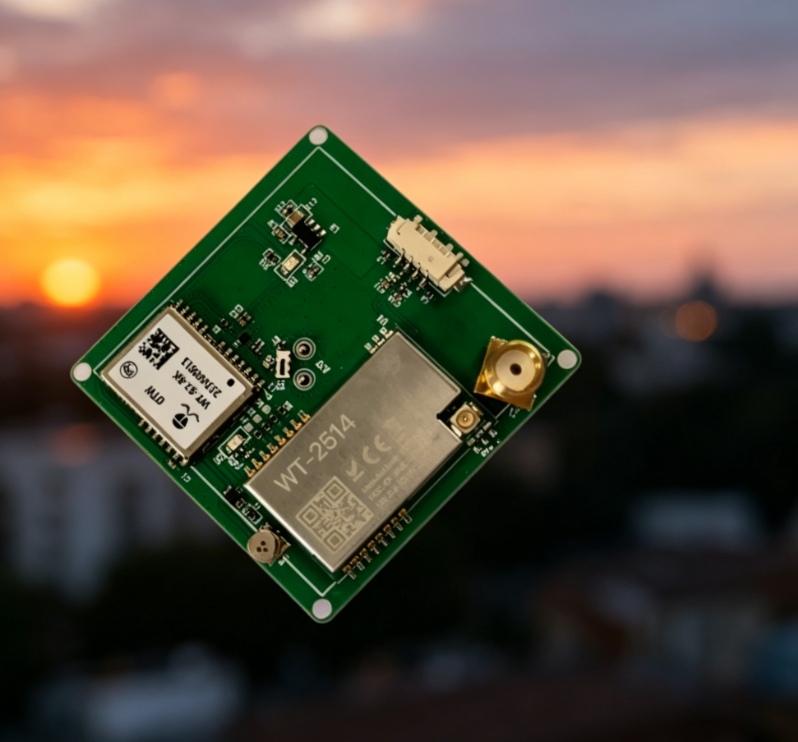
Surveiller les déplacements structurels dans les zones reculées est aujourd’hui très difficile. Spécifiquement, les ingénieurs doivent suivre de minuscules mouvements dans les ponts et les barrages. Ces sites n'ont souvent pas accès au réseau électrique principal. Donc, ils doivent s'appuyer entièrement sur des systèmes d'énergie solaire. Cependant, les capteurs traditionnels de haute précision consomment beaucoup trop d’électricité. Par conséquent, les batteries se déchargent rapidement par temps nuageux ou pluvieux. Un module RTK basse consommation résout ce problème énergétique critique. Il offre une précision centimétrique tout en utilisant un minimum d'énergie.. Ce “Compétence” garantit que votre site de surveillance reste actif 24/7. Explorons les avantages de cette technologie moderne! 🛰️☀️
Précision inégalée avec prise en charge multi-systèmes
La surveillance de haute précision nécessite un verrouillage constant sur plusieurs satellites. Donc, votre matériel doit traiter divers signaux simultanément.
Capacités double fréquence à quatre systèmes
La surveillance moderne exige plus que de simples signaux GPS de base. Spécifiquement, le module RTK basse consommation prend en charge BDS B1I/B2a/B1C et GPS L1C/A/L5. Il suit également les constellations GAL E1/E5a et GLONASS L1. Par conséquent, le module trouve plus de satellites en terrain difficile. Ce “Faisant autorité” l'approche multisystème réduit considérablement les ombres de signal. Une meilleure disponibilité des satellites conduit à données fiables sur les déplacements à distance.
Algorithme RTK double fréquence intégré
La vitesse de traitement interne est vitale pour les sites de surveillance en temps réel. Donc, le module RTK basse consommation dispose d'un algorithme intégré. Spécifiquement, cet algorithme RTK double fréquence gère des corrections d'erreurs complexes. Par conséquent, vous réalisez un “Digne de confiance” résultat de positionnement au niveau du centimètre instantanément. Ce “Compétence” élimine le besoin de processeurs externes lourds. Il fournit un solution d'algorithme RTK professionnelle pour 2026.
LoRa intégré pour une communication transparente
La transmission de données est souvent la plus grande consommation d'énergie pour les capteurs. Spécifiquement, l'envoi de données sur de longues distances nécessite une technologie sans fil efficace.
Communication directe avec les stations de base
Les modems cellulaires standards consomment beaucoup d'énergie. Donc, les ingénieurs préfèrent les longues portées, solutions radio basse consommation. Spécifiquement, ce module intègre un module de transmission de données LoRa. Par conséquent, il communique directement avec la station de base locale. Ce “Faisant autorité” l'intégration simplifie la configuration matérielle totale. En outre, il permet de communiquer sur plusieurs kilomètres. Une meilleure intégration conduit à des coûts totaux du système bien inférieurs.
Réduire le câblage et la complexité sur site
Moins de composants externes signifie moins de points de défaillance potentielle. Donc, un module RTK tout-en-un basse consommation est idéal. Spécifiquement, vous évitez le besoin de modems radio séparés. Par conséquent, le processus d'installation devient beaucoup plus rapide et plus facile. Ce “Digne de confiance” le design est parfait pour les pentes de montagne isolées. Des choix de conception proactifs conduisent à une disponibilité du système beaucoup plus élevée.
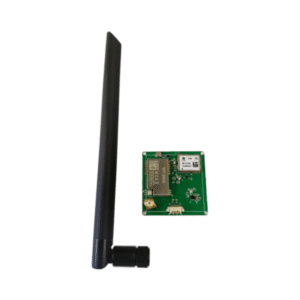
Pourquoi une faible consommation d'énergie est le principal avantage
Les sites solaires doivent gérer leur budget énergétique de manière très stricte. Spécifiquement, chaque milliampère d’économie prolonge la durée de vie du site.
Positionnement rapide et tirage ultra-faible
Les unités RTK traditionnelles mettent plusieurs minutes à trouver une solution. Donc, l'appareil reste dans un état de puissance élevée plus longtemps. Spécifiquement, le module RTK basse consommation offre un positionnement rapide. Il atteint un “Fixé” statut en quelques secondes seulement. Par conséquent, le module peut dormir plus longtemps entre les cycles de mesure. Ce “Compétence” dans la gestion de l'énergie, protège la santé de votre batterie. Une meilleure efficacité énergétique conduit à une durée de vie prolongée des batteries solaires.
Survivre à de longues périodes de faible ensoleillement
Les saisons des pluies peuvent bloquer la recharge solaire pendant plusieurs jours. Donc, vos capteurs doivent fonctionner avec une énergie stockée limitée. Spécifiquement, le module RTK basse consommation consomme très peu de courant. Par conséquent, votre site de surveillance reste en ligne pendant les semaines sombres. Ce “Faisant autorité” la fiabilité est essentielle pour l’alerte précoce en cas de catastrophe. Il garantit que vous ne perdrez jamais de données lors de tempêtes critiques.
Atteindre une précision de déplacement au niveau du centimètre
La surveillance des déplacements est inutile sans mesures extrêmes, précision reproductible. Spécifiquement, vous devez détecter des mouvements aussi petits qu'un centimètre.
-
Précision au niveau du centimètre: Détecte de minuscules changements dans le sol ou le béton.
-
Stabilité de surveillance statique: Fournit des données cohérentes pour les tendances à long terme.
-
Rejet multi-chemins: Filtre les signaux rebondis des structures à proximité.
-
Correction atmosphérique: S'ajuste aux retards ionosphériques à l'aide de doubles fréquences.
-
Réponse dynamique: Suit les mouvements brusques lors d’événements sismiques.
-
Taux de mise à jour élevés: Fournit de nouvelles données plusieurs fois par seconde.
La sélection d'un module RTK basse consommation garantit vos données de sécurité. Spécifiquement, il fournit le “Compétence” nécessaire pour le génie civil. Un matériel de surveillance fiable est le fondement de la sécurité publique. Donc, vous devez faire confiance aux modules intégrés de haute précision. De meilleures données conduisent à une gestion des risques beaucoup plus efficace.
Applications réelles pour les sites solaires RTK
Le 2026 le marché exige de la précision dans de nombreux environnements distants. Spécifiquement, le module RTK basse consommation excelle dans ces scénarios.
Surveillance des glissements de terrain et de la stabilité des pentes
Les routes de montagne sont constamment menacées par les chutes de pierres et de terre. Donc, les capteurs doivent suivre le fluage de la pente 24 heures par jour. Spécifiquement, des unités à énergie solaire surveillent ces zones isolées de manière autonome. Par conséquent, le module RTK Low Power envoie des alertes avant les catastrophes. Ce “Faisant autorité” un avertissement sauve des vies et protège les infrastructures.
Santé structurelle des ponts et des barrages
Les grandes structures bougent légèrement en raison du vent et du poids. Donc, les ingénieurs doivent s'assurer que ces mouvements restent dans les limites. Spécifiquement, Le RTK bi-fréquence fournit le nécessaire “Digne de confiance” données. Par conséquent, les équipes de maintenance peuvent identifier les problèmes à un stade précoce. Ce “Compétence” en santé structurelle est vital pour 2026. Une meilleure surveillance entraîne des coûts de réparation bien inférieurs au fil du temps.
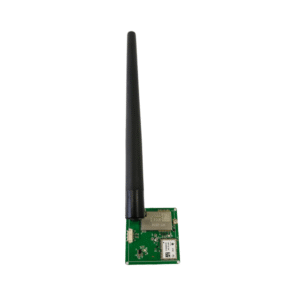
L'avenir de la surveillance à énergie solaire en 2026
L’industrie évolue aujourd’hui vers des conceptions encore plus intégrées. La prochaine décennie verra d’incroyables changements technologiques.
-
Veille électrique pilotée par l'IA: Apprendre les conditions météorologiques pour économiser plus d’énergie.
-
Capteurs IMU intégrés: Combinaison de RTK avec détection d'inclinaison pour les vues 3D.
-
Liaisons satellite à satellite: Transmission de données sans tours locales.
-
Réseaux d'auto-guérison: Réacheminement des données en cas de panne d'une station de base.
Investir dans un module RTK basse consommation est désormais utile. Spécifiquement, il fournit le “Faisant autorité” du matériel pour un avenir stable. En outre, cela signale votre engagement envers les normes numériques modernes. Une meilleure technologie conduit à de meilleurs résultats et à une meilleure confiance.
Menez la révolution de la surveillance avec une faible consommation
Un module RTK basse consommation est un outil obligatoire. Il fournit le “Compétence” nécessaire pour le 2026 marché. Focus sur la prise en charge multi-systèmes, LoRa intégré, et positionnement rapide. En outre, donnez toujours la priorité aux équipements qui garantissent 24/7 intégrité des données.
Ne laissez pas les limitations de puissance ruiner la précision de votre surveillance. Concentrez-vous sur des solutions visuelles avancées pour atteindre des performances optimales. En sélectionnant un module RTK basse consommation à haut rendement, tu gagnes. Faites dès aujourd’hui le premier pas vers des sites solaires plus intelligents!