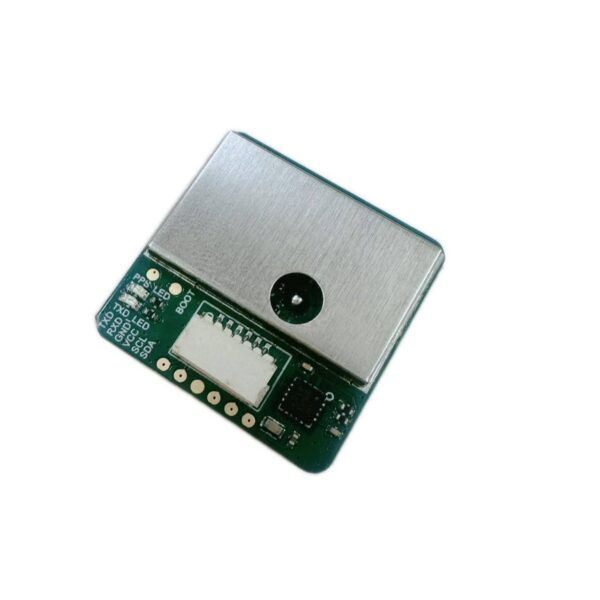
ข้อมูลตำแหน่งที่แม่นยำขับเคลื่อนโลกอุตสาหกรรมสมัยใหม่. จากรถแทรกเตอร์อัตโนมัติไปจนถึงโดรนส่งสินค้า, ความถูกต้องไม่สามารถต่อรองได้. วิศวกรหลายคนต้องเผชิญกับทางเลือกการออกแบบที่สำคัญในปัจจุบัน. พวกเขาควรใช้หน่วย GPS ภายนอกหรือโซลูชันแบบรวม? ในฐานะ GPS R&ผู้เชี่ยวชาญ, ฉันสนับสนุนอย่างหลัง. โมดูลการนำทางแบบฝังให้ความเสถียรและการบูรณาการที่เหนือกว่า.
แต่ฮาร์ดแวร์ขนาดเล็กนี้รับประกันความน่าเชื่อถือระดับโลกได้อย่างไร? มันเกี่ยวข้องกับฟิสิกส์ที่ซับซ้อนและการประมวลผลสัญญาณขั้นสูง. บทความนี้จะสำรวจการทำงานภายในของระบบสมองกลฝังตัว. เราจะตรวจสอบผลประโยชน์ของพวกเขาในอุตสาหกรรมที่มีเดิมพันสูงต่างๆ. ให้เราดำดิ่งสู่โลกแห่งการวางตำแหน่งที่แม่นยำ.
ฟิสิกส์หลักของโมดูลการนำทางแบบฝัง
โมดูลการนำทางแบบฝังไม่เพียงแต่ “รับ” สัญญาณ. มันทำการเต้นรำทางคณิตศาสตร์ที่ซับซ้อนด้วยดาวเทียม. โมดูลที่ทันสมัยส่วนใหญ่รองรับระบบดาวเทียมนำทางทั่วโลก (GNSS). ซึ่งรวมถึงจีพีเอสด้วย, กลอส, ประเทศกาลิเลโอ, และเป่ยโต่ว.
หลักการไตรภาคี
โมดูลคำนวณตำแหน่งโดยใช้ไตรเลเตอเรชัน. โดยจะวัดเวลาการบินของสัญญาณจากดาวเทียม 4 ดวง. แต่ละสัญญาณเดินทางด้วยความเร็วแสง. เพราะเหตุนี้, ข้อผิดพลาดด้านเวลาเพียงเล็กน้อยทำให้เกิดการเลื่อนตำแหน่งขนาดใหญ่. โมดูลฝังตัวคุณภาพสูงใช้ออสซิลเลเตอร์ที่ชดเชยอุณหภูมิ. ส่วนประกอบเหล่านี้ช่วยให้แน่ใจว่านาฬิกาภายในยังคงมีเสถียรภาพอย่างไม่น่าเชื่อ.
การกรองสัญญาณรบกวน
ในโลกแห่งความเป็นจริง, สัญญาณกระเด็นออกจากอาคาร. สิ่งนี้สร้าง “การรบกวนแบบหลายเส้นทาง” ซึ่งทำให้เครื่องรับมาตรฐานสับสน. โมดูลการนำทางแบบฝังใช้การกรองคาลมานขั้นสูง. อัลกอริธึมนี้จะทำนายการเคลื่อนไหวและละเว้นจุดข้อมูลที่ไม่แน่นอน. ดังนั้น, เอาต์พุตยังคงราบรื่นแม้ใน “หุบเขาในเมือง”
ประโยชน์หลักของโซลูชั่น GPS แบบบูรณาการ
เหตุใดผู้ผลิตชั้นนำจึงชอบการออกแบบแบบฝัง? มันขึ้นอยู่กับประสิทธิภาพและรอยเท้าทางกายภาพ.
-
การย่อขนาด: โมดูลเหล่านี้พอดีกับอุปกรณ์ขนาดเล็กอย่างไม่น่าเชื่อ.
-
การใช้พลังงานต่ำ: วงจรที่ได้รับการปรับปรุงจะช่วยยืดอายุการใช้งานแบตเตอรี่ของเซ็นเซอร์ IoT.
-
เร็วขึ้น TTFF: พวกเขาบรรลุก “ถึงเวลาแก้ไขครั้งแรก” ในไม่กี่วินาที.
-
ความทนทาน: โมดูลบัดกรีต้านทานการสั่นสะเทือนได้ดีกว่าสายเคเบิลที่เสียบไว้.
ปรับปรุงความสมบูรณ์ของสัญญาณ
หน่วย GPS ภายนอกมักประสบปัญหาสัญญาณรบกวนจากสายเคเบิล. ในทางตรงกันข้าม, โมดูลการนำทางแบบฝังตั้งอยู่ใกล้กับ CPU หลัก. ความใกล้ชิดนี้ช่วยลดสัญญาณรบกวนแม่เหล็กไฟฟ้าระหว่างการถ่ายโอนข้อมูล. ทำให้มั่นใจได้มากที่สุด “บริสุทธิ์” ข้อมูลตำแหน่งถึงแอปพลิเคชันของคุณ.
[สำรวจล่าสุดของเรา โซลูชัน GNSS ที่มีความแม่นยำสูง สำหรับการทำแผนที่โดรนเชิงพาณิชย์]
กรณีปฏิบัติ: เกษตรกรรมที่แม่นยำและพวงมาลัยอัตโนมัติ
เรามาดูการประยุกต์ใช้งานทางวิศวกรรมในโลกแห่งความเป็นจริงกัน. ในการทำฟาร์มที่แม่นยำ, รถแทรกเตอร์จะต้องเดินตามเส้นทางที่มีความยาวต่ำกว่าเซนติเมตร. GPS ของสมาร์ทโฟนมาตรฐานไม่สามารถทำได้.
RTK (จลนศาสตร์แบบเรียลไทม์) บูรณาการ
วิศวกรฝังโมดูล GNSS แบบดูอัลแบนด์ลงในชุดควบคุมของรถแทรกเตอร์. จากนั้นจึงใช้การแก้ไข RTK กับโมดูลการนำทางแบบฝัง. วิธีการที่ได้รับการพิสูจน์แล้วจากการจำลองนี้จะแก้ไขความล่าช้าของบรรยากาศแบบเรียลไทม์. ผลลัพธ์ที่ได้คือรถแทรกเตอร์ที่ปลูกแถวได้อย่างแม่นยำ 2 ซม. วิธีนี้จะช่วยป้องกันไม่ให้พืชทับซ้อนกันและประหยัดค่าเชื้อเพลิงนับพัน.
ผลประโยชน์ในสนาม:
-
ช่วยลดความเหนื่อยล้า: ระบบจะควบคุมพวงมาลัยโดยอัตโนมัติ.
-
ปรับผลผลิตให้เหมาะสม: ทุกตารางนิ้วของสนามถูกใช้อย่างสมบูรณ์แบบ.
-
ปฏิบัติการกลางคืน: เกษตรกรสามารถทำงานได้อย่างปลอดภัยโดยไม่มีทัศนวิสัย.
อุตสาหกรรมที่จำเป็นสำหรับการนำทางแบบฝัง
เทคโนโลยีนี้เป็นกระดูกสันหลังของภาคส่วนต่างๆ ที่มีมูลค่าหลายพันล้านดอลลาร์. แต่ละอุตสาหกรรมใช้โมดูลสำหรับงานที่มีความสำคัญต่อภารกิจเฉพาะ.
1. การจัดการโลจิสติกส์และห่วงโซ่ความเย็น
บริษัทต่างๆ จะต้องติดตามสินค้าราคาแพงข้ามทวีป. โมดูลการนำทางแบบฝังในตัวติดตามพาเลทให้การอัพเดตอย่างต่อเนื่อง. ช่วยให้ผู้จัดการตรวจสอบเส้นทางที่แน่นอนของยาที่มีความละเอียดอ่อน.
2. การจัดส่งแบบอัตโนมัติและหุ่นยนต์
หุ่นยนต์ขนาดเล็กไม่สามารถบรรทุกเสาอากาศภายนอกขนาดใหญ่ได้. พวกเขาต้องการน้ำหนักเบา, โมดูล GPS ในตัวสำหรับการนำทาง. โมดูลเหล่านี้ให้ “การรับรู้เชิงพื้นที่” จำเป็นเพื่อหลีกเลี่ยงอุปสรรค.
3. ระยะเวลาโครงสร้างพื้นฐานที่สำคัญ
รู้หรือไม่ GPS คือนาฬิกาขนาดยักษ์บนท้องฟ้า? โครงข่ายไฟฟ้าใช้โมดูลนำทางแบบฝังสำหรับการซิงโครไนซ์ระดับไมโครวินาที. วิธีนี้จะช่วยป้องกันไฟดับโดยการรักษากริดทั้งหมดให้อยู่ในเฟส.
การเลือกโมดูลที่เหมาะสม: อันอาร์&D รายการตรวจสอบ
โมดูลทั้งหมดไม่ได้ถูกสร้างขึ้นเท่ากัน. ในฐานะนักพัฒนา, คุณต้องตรวจสอบซัพพลายเออร์ของคุณอย่างระมัดระวัง.
-
การสนับสนุนหลายกลุ่มดาว: ตรวจสอบให้แน่ใจว่าติดตามได้มากกว่าแค่ GPS.
-
อัตราการอัพเดท: ยานพาหนะความเร็วสูงต้องมีอย่างน้อย 10Hz (10 อัปเดตต่อวินาที).
-
ความไว: มองหา -167 ความไวในการติดตาม dBm สำหรับการใช้งานในร่ม/ในร่ม.
-
ตัวเลือกอินเทอร์เฟซ: ตรวจสอบ UART, ไอทูซี, หรือความเข้ากันได้ของ SPI.
บทบาทของการคำนวณความตาย (ดร)
โมดูลชั้นยอดบางโมดูลมีหน่วยวัดแรงเฉื่อย (IMU). เทคโนโลยีนี้มีชื่อว่า “การคำนวณที่ตายแล้ว” หากสัญญาณดาวเทียมหายไปในอุโมงค์, IMU เข้ายึดครอง. จะคำนวณตำแหน่งตามความเร็วและทิศทาง. สิ่งนี้ทำให้มั่นใจได้ว่าความน่าเชื่อถือของตำแหน่ง GNSS จะไม่ลดลงเหลือศูนย์.
[เรียนรู้เพิ่มเติมเกี่ยวกับความสำเร็จด้านเทคนิคของเรา โมดูล GPS ในตัว.]
GPS แบบสแตนด์อโลนเทียบกับ. โมดูลฝังตัว
| คุณสมบัติ | หน่วย GPS แบบสแตนด์อโลน | โมดูลนำทางแบบฝัง |
| ขนาดทางกายภาพ | รถเทกอง / ภายนอก | กะทัดรัด / การออกแบบเอสเอ็มที |
| บูรณาการ | ต้องใช้สายเคเบิล / ขั้วต่อ | การติดตั้ง PCB โดยตรง |
| เวลาแฝง | สูงกว่า (ความล่าช้าของสายเคเบิล) | น้อยที่สุด (รถบัสสายตรง) |
| การใช้พลังงาน | สูงกว่า | ปรับให้เหมาะสม / ต่ำมาก |
| ค่าใช้จ่าย | สูงต่อหน่วย | คุ้มต้นทุนสำหรับขนาด |
รากฐานของตำแหน่งที่เชื่อถือได้
โลกกำลังก้าวไปสู่ระบบอัตโนมัติทั้งหมด. เราต้องการข้อมูลตำแหน่งที่เราเชื่อถือได้ 100% ของเวลา. โมดูลการนำทางแบบฝังให้รากฐานที่สำคัญนี้. มันให้ความแม่นยำ, ความเร็ว, และความทนทานที่อุตสาหกรรมสมัยใหม่ต้องการ.
โดยการบูรณาการโมดูลเหล่านี้, เราสร้างระบบที่ชาญฉลาดและปลอดภัยยิ่งขึ้น. เราช่วยให้รถแทรกเตอร์ขับเคลื่อนด้วยตัวเองและกริดเพื่อให้ซิงโครไนซ์กัน. อย่าชำระเพื่อ “ดีพอ” การวางตำแหน่ง. ลงทุนในเทคโนโลยีฝังตัวคุณภาพสูงเพื่อเป็นผู้นำในอุตสาหกรรมของคุณ. อนาคตมีความแม่นยำ, และเริ่มต้นด้วยโมดูลที่ถูกต้อง.