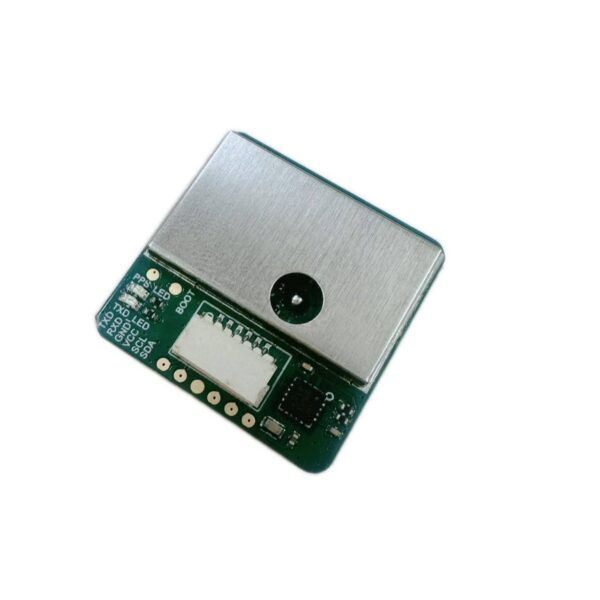
Точные данные о местоположении управляют современным промышленным миром. От автономных тракторов до дронов-доставщиков, точность не подлежит обсуждению. Сегодня многие инженеры сталкиваются с критическим выбором конструкции.. Стоит ли им использовать внешние устройства GPS или интегрированные решения?? В качестве GPS R&Д эксперт, Я сторонник последнего. Встроенный навигационный модуль обеспечивает превосходную стабильность и интеграцию..
Но как это крошечное оборудование обеспечивает глобальную надежность?? Он включает в себя сложную физику и продвинутую обработку сигналов.. В этой статье исследуется внутренняя работа встроенных систем.. Мы рассмотрим их преимущества в различных отраслях с высокими ставками.. Давайте окунемся в мир точного позиционирования.
Основная физика встроенного навигационного модуля
Встроенный навигационный модуль не просто “получать” сигналы. Он исполняет сложный математический танец со спутниками. Большинство современных модулей поддерживают глобальные навигационные спутниковые системы. (ГНСС). Это включает в себя GPS, Глонасс, Галилео, и Бэйдоу.
Принцип трилатерации
Модуль вычисляет свое положение с помощью трилатерации.. Он измеряет время прохождения сигналов от четырех спутников.. Каждый сигнал распространяется со скоростью света. Следовательно, крошечная ошибка во времени приводит к огромным смещениям местоположения. В высококачественных встроенных модулях используются генераторы с температурной компенсацией.. Эти компоненты обеспечивают невероятную стабильность внутренних часов..
Фильтрация шума сигнала
В реальном мире, сигналы отражаются от зданий. Это создает “многолучевая интерференция” что сбивает с толку стандартные ресиверы. Встроенный навигационный модуль использует расширенную фильтрацию Калмана.. Этот алгоритм прогнозирует движение и игнорирует ошибочные данные.. Поэтому, выходной сигнал остается плавным даже в “городские каньоны.”
Ключевые преимущества интегрированных GPS-решений
Почему ведущие производители предпочитают встраиваемые конструкции? Все сводится к производительности и физическому воздействию..
-
Миниатюризация: Эти модули помещаются в невероятно маленькие устройства..
-
Низкое энергопотребление: Оптимизированные схемы продлевают срок службы батарей датчиков Интернета вещей.
-
Более быстрый TTFF: Они достигают “Время первого исправления” в секундах.
-
Прочность: Спаянные модули противостоят вибрации лучше, чем подключенные кабели..
Улучшенная целостность сигнала
Внешние устройства GPS часто страдают от помех в кабеле.. В отличие, встроенный навигационный модуль расположен рядом с основным процессором. Такая близость снижает электромагнитные помехи во время передачи данных.. Это обеспечивает максимальную “чистый” данные о местоположении достигают вашего приложения.
[Ознакомьтесь с нашими последними высокоточные ГНСС-решения для коммерческого картографирования дронов.]
Практический случай: Точное земледелие и автоматическое рулевое управление
Давайте посмотрим на реальное инженерное приложение.. В точном земледелии, тракторы должны двигаться по субсантиметровым путям. Стандартный GPS-навигатор для смартфона не может этого достичь..
РТК (Кинематика в реальном времени) Интеграция
Инженеры встраивают в блок управления трактора двухдиапазонный модуль ГНСС. Затем они применяют поправки RTK ко встроенному навигационному модулю.. Этот проверенный моделированием метод корректирует атмосферные задержки в режиме реального времени.. Результатом стал трактор, который сажает ряды с точностью до 2 см.. Это предотвращает перекрытие культур и экономит тысячи долларов на топливе..
Преимущества в этой области:
-
Снижает усталость: Система автоматически управляет рулевым управлением..
-
Оптимизирует доходность: Каждый дюйм поля используется идеально.
-
Ночные операции: Фермеры могут безопасно работать в условиях нулевой видимости.
Основные отрасли для встроенной навигации
Эта технология является основой нескольких многомиллиардных секторов.. Каждая отрасль использует модуль для решения конкретных критически важных задач..
1. Логистика и управление холодовой цепью
Компании должны отслеживать дорогие грузы по континентам. Встроенный навигационный модуль в трекере обеспечивает постоянные обновления.. Это помогает менеджерам отслеживать точный маршрут чувствительных лекарств..
2. Автономная доставка и робототехника
Маленькие роботы не могут нести громоздкие внешние антенны. Им нужен легкий, встроенные GPS-модули для навигации. Эти модули обеспечивают “пространственная осведомленность” необходимо, чтобы избежать препятствий.
3. Критическая инфраструктура
Знаете ли вы, что GPS — это гигантские часы в небе?? В электросетях используется встроенный навигационный модуль для микросекундной синхронизации.. Это предотвращает отключения электроэнергии, сохраняя всю сеть в фазе..
Выбор правильного модуля: Р&D Контрольный список
Не все модули одинаковы. Как разработчик, вы должны тщательно проверять своих поставщиков.
-
Поддержка нескольких созвездий: Убедитесь, что он отслеживает не только GPS.
-
Скорость обновления: Высокоскоростным транспортным средствам необходима частота не менее 10 Гц. (10 обновления в секунду).
-
Чувствительность: Искать -167 Чувствительность отслеживания в дБм для внутреннего/крытого использования.
-
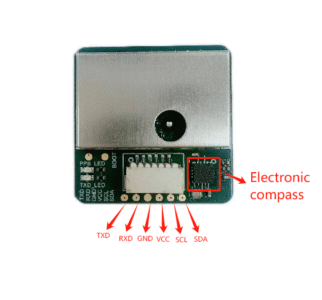
Опции интерфейса: Проверьте UART, I2C, или совместимость с SPI.
Роль точного расчета (ДР)
Некоторые элитные модули включают в себя блоки инерциальных измерений. (ИДУ). Эта технология называется “Мертвый расчет.” Если спутниковый сигнал потерян в туннеле, ИДУ берет на себя управление. Он вычисляет положение на основе скорости и направления.. Это гарантирует, что надежность позиционирования GNSS никогда не упадет до нуля..
[Узнайте больше о технических достижениях нашего встроенные GPS-модули.]
Автономный GPS против. Встроенные модули
| Особенность | Автономный GPS-модуль | Встроенный навигационный модуль |
| Физический размер | более объемный / Внешний | Компактный / СМТ Дизайн |
| Интеграция | Требуются кабели / Разъемы | Прямой монтаж на печатной плате |
| Задержка | Выше (Задержка кабеля) | Минимальный (Прямой автобус) |
| Использование энергии | Выше | Оптимизированный / Ультра-низкий |
| Расходы | Высокая за единицу | Экономичность при масштабировании |
Основа надежного позиционирования
Мир движется к полной автоматизации. Нам нужны данные о местоположении, которым мы можем доверять. 100% того времени. Встроенный навигационный модуль обеспечивает эту важную основу.. Он обеспечивает точность, скорость, и долговечность, которую требует современная промышленность.
Интегрируя эти модули, мы создаем более умные и безопасные системы. Мы даем возможность тракторам двигаться самостоятельно, а сетям оставаться синхронизированными.. Не соглашайтесь на “достаточно хорошо” позиционирование. Инвестируйте в высококачественные встроенные технологии, чтобы стать лидером в своей отрасли. Будущее точно, и это начинается с правильного модуля.