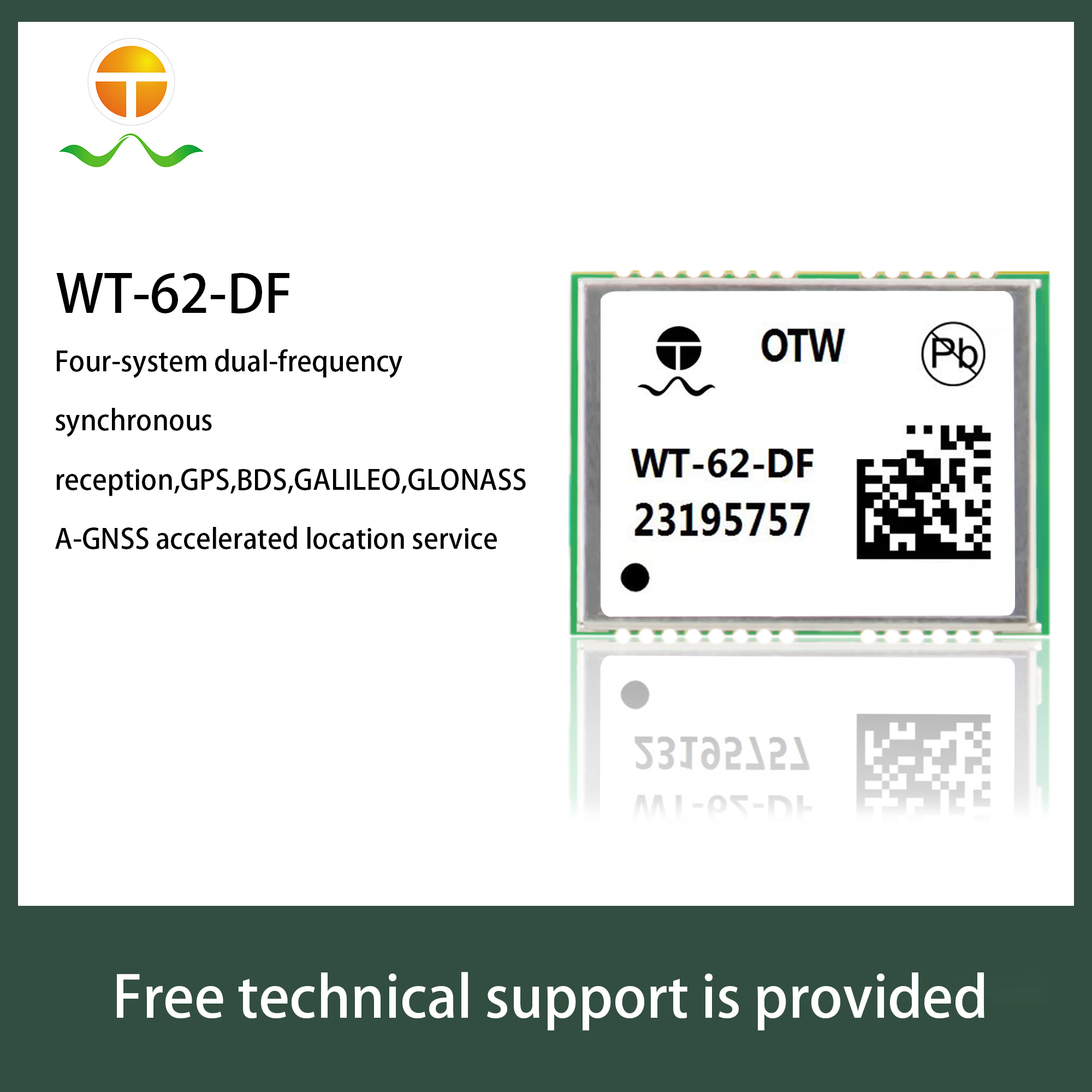
Smart devices need reliable positioning for daily operations. Therefore, choosing the right IoT GNSS module matters for manufacturers. A suitable module supports accurate navigation and stable location data. It also helps balance performance, integration, and production costs.
Today, IoT applications cover many industries. These include smart transportation, agriculture, GIS collection, and personal tracking. However, each application has different positioning requirements. Manufacturers should consider satellite compatibility, signal environments, size, and overall cost.
How Can Multi-System GNSS Improve Positioning Flexibility?
Smart devices often operate in changing environments. Buildings, trees, and urban structures can affect satellite signals. Therefore, GNSS positioning modules deserve careful consideration.
Choose Multi-Constellation Support for Different Environments
Different satellite systems provide additional positioning resources. For example, GPS, BDS, GALILEO, and GLONASS offer broader satellite coverage.
A multi-constellation GNSS module can receive signals from several satellite systems. Consequently, devices gain more positioning options across different environments.
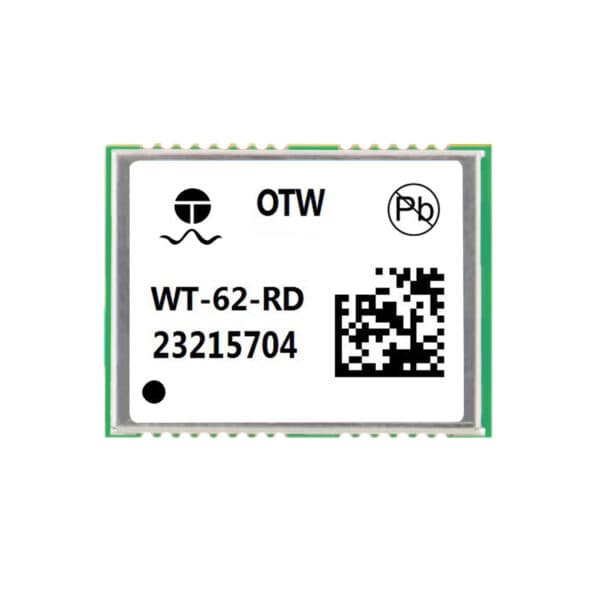
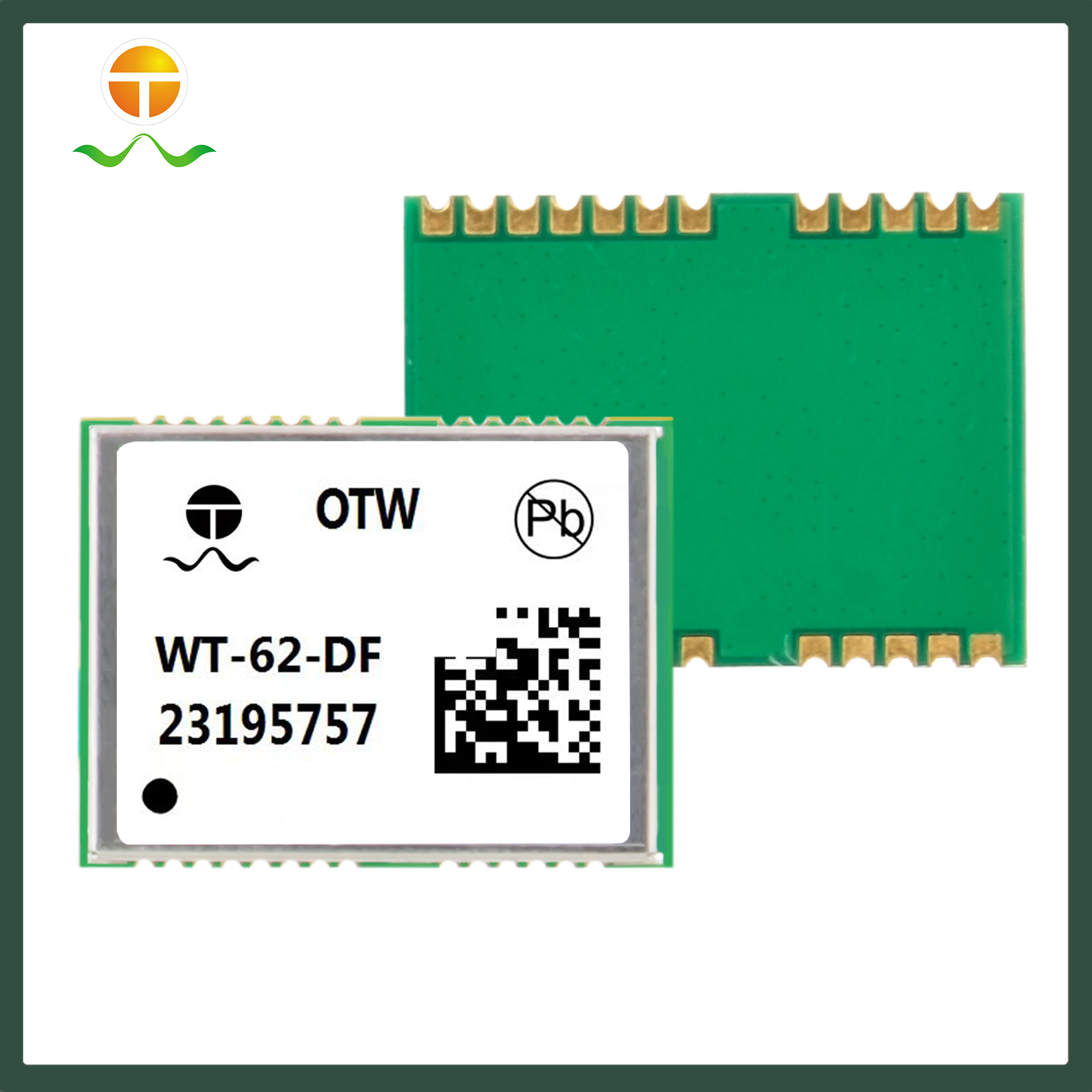
The WT-62-DF supports four major satellite systems. It also provides dual-frequency GNSS reception capabilities.
This configuration suits applications requiring flexible satellite reception. Moreover, manufacturers can consider it for diverse device environments.
Welcome to explore our GNSS positioning modules to find suitable solutions for your smart device projects.
How Can Compact GNSS Modules Simplify Device Integration?
Many smart devices have limited internal space. Therefore, module dimensions can influence the overall product design.
Balance Module Size and Integration Requirements
Shared mobility devices often require compact electronic components. Likewise, handheld terminals need efficient internal layouts.
A compact GNSS module helps engineers allocate space more efficiently. However, they should also consider antenna design and circuit compatibility.
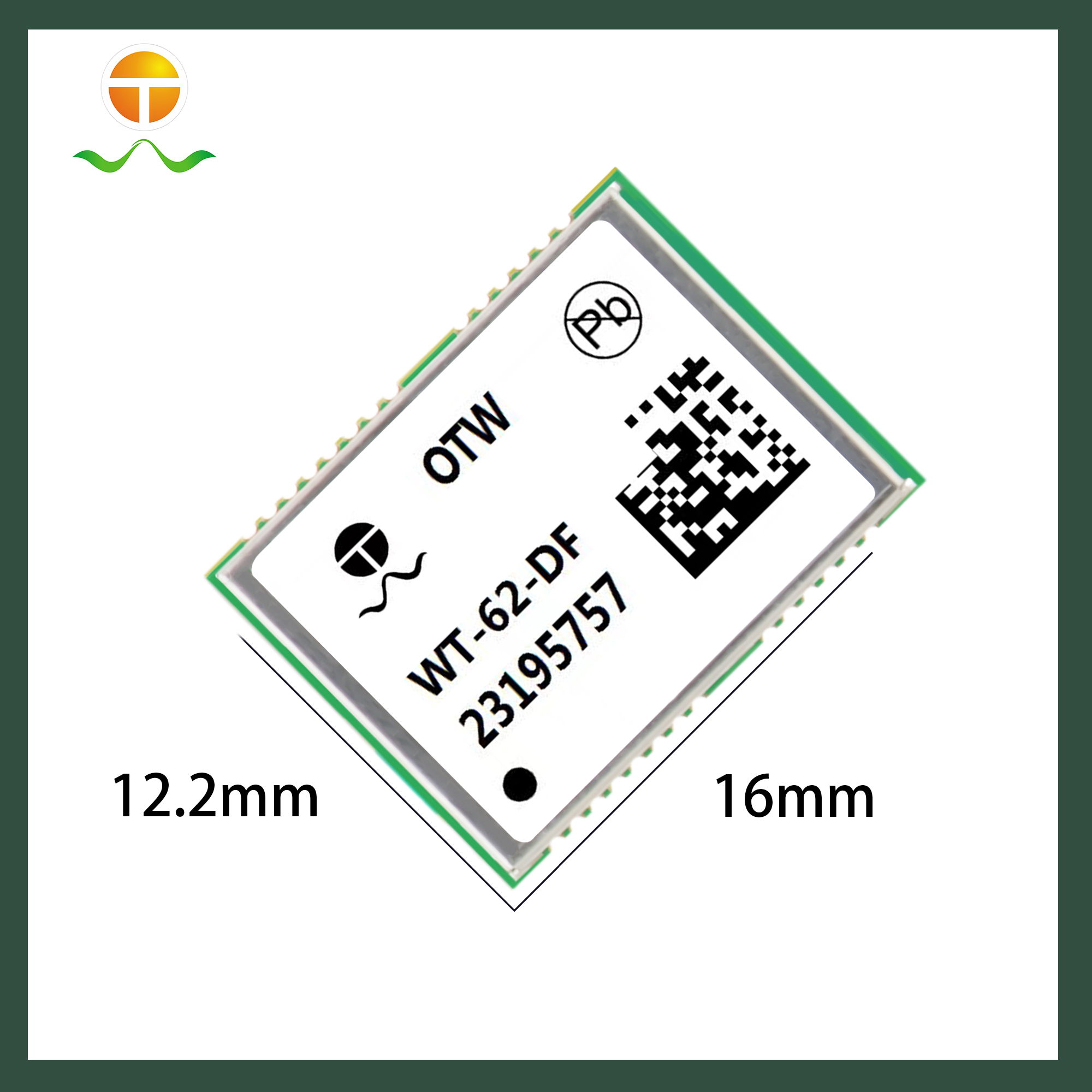
The WT-62-DF measures 12.2 x 16 x 2.4 millimeters. Its compact structure supports various embedded device designs.
For manufacturers, this brings several practical benefits:
More flexible PCB layout planning.
Better space allocation for other components.
Easier integration into compact equipment.
More options for customized device designs.
Therefore, selecting a small-size IoT GNSS module can support product development flexibility.
How Does A-GNSS Support Efficient Location Services?
Positioning response time matters in many IoT applications. For example, shared vehicles need timely location updates. Similarly, tracking terminals require convenient positioning services.
Improve Positioning Efficiency with Assisted GNSS
A-GNSS uses assistance information to support satellite positioning. This approach can help reduce the time needed to obtain an initial location fix.
However, actual performance depends on signal conditions. Network availability and assistance data also influence results.
The WT-62-DF integrates A-GNSS accelerated location services. This feature supports applications requiring efficient positioning workflows.
Manufacturers can consider this GNSS positioning solution for:
Shared two-wheel vehicle management.
Vehicle and personnel tracking.
GIS data collection terminals.
Agricultural machinery positioning.
Smart equipment monitoring.
Furthermore, combining A-GNSS with multi-system GNSS reception offers additional design flexibility.
Welcome to explore our GNSS technology guides to learn more about positioning technologies and module integration.
How Can Manufacturers Balance GNSS Quality and Procurement Costs?
For B2B buyers, component selection involves more than technical specifications. Product consistency, integration costs, and supply stability also matter.
Evaluate Overall Value Beyond the Unit Price
A suitable IoT GNSS module should match the device’s actual requirements. Otherwise, unnecessary features may increase procurement costs.
Manufacturers should evaluate several factors before purchasing.
| Evaluation Factor | Key Consideration | WT-62-DF Advantage |
| Positioning Capability | Satellite compatibility | Four-system dual-frequency |
| Integration | PCB space requirements | Compact dimensions |
| Location Services | Assisted positioning | A-GNSS support |
| Application Range | Device compatibility | Multiple IoT applications |
| Procurement Value | Performance and cost balance | Integrated positioning features |
Additionally, buyers should review manufacturing consistency. They should also consider technical support and long-term supply arrangements.
A quality-focused supplier helps reduce integration uncertainties. Meanwhile, a cost-effective GNSS module for smart devices supports competitive product development.
For bulk procurement, manufacturers should request samples first. Then, they can evaluate positioning performance within their actual devices.
FAQ: What Makes WT-62-DF Suitable for Smart IoT Devices?
Q1: Which applications can use the WT-62-DF?
The WT-62-DF supports various positioning applications. These include shared mobility, GIS collection, and vehicle tracking. Agricultural machinery and drones can also consider this module.
Q2: Does the module support multiple satellite systems?
Yes. It supports GPS, BDS, GALILEO, and GLONASS. Additionally, it offers four-system dual-frequency reception.
Q3: Is the WT-62-DF suitable for compact devices?
Yes. Its dimensions measure 12.2 x 16 x 2.4 millimeters. This compact design supports space-conscious device integration.
Q4: How does WT-62-DF help B2B manufacturers?
It combines multi-system reception with A-GNSS services. Moreover, its compact design supports different product configurations.
For manufacturers, this combination offers practical integration value. It also provides a competitive balance between functionality and procurement costs.
Q5: How should buyers evaluate this IoT GNSS module?
Start by checking satellite compatibility and application requirements. Next, evaluate antenna matching and positioning performance. Finally, review product consistency, technical support, and bulk purchasing terms.
Choosing the right IoT GNSS module requires a complete evaluation. The WT-62-DF offers a practical option for diverse smart device projects.
Contact our team to discuss your positioning requirements. We welcome OEM and wholesale inquiries.