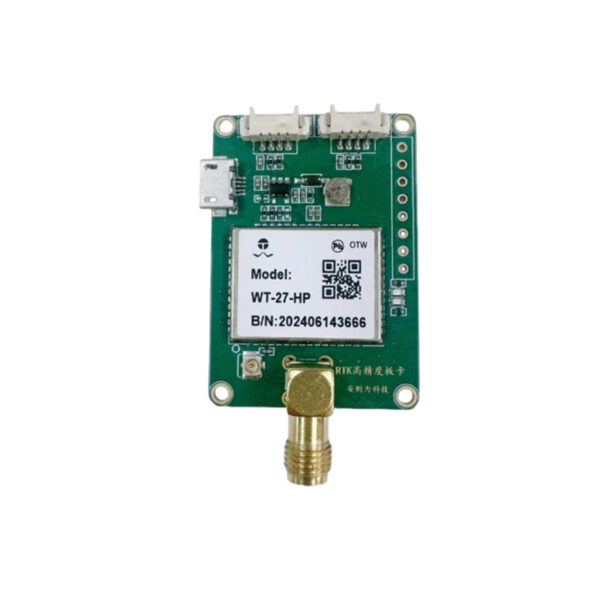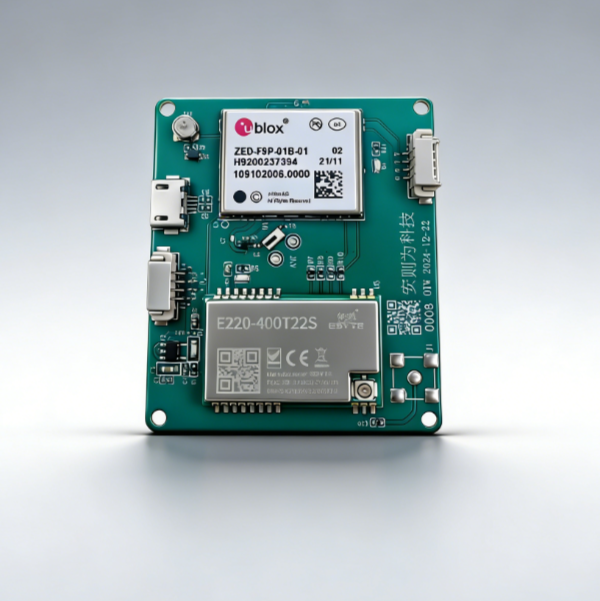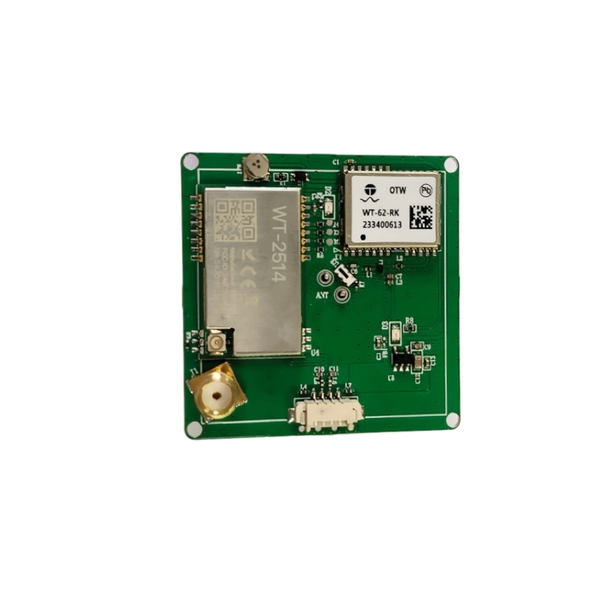
Les véhicules autonomes nécessitent des mises à jour de localisation de haute précision en continu. Standard GPS receivers fail to deliver centimeter-level positioning accuracy. Signal blockages disrupt real-time navigation across city centers. Heureusement, an advanced fleet RTK tracking module solves complex positioning challenges seamlessly. It empowers intelligent transportation systems with reliable, real-time spatial data.
This high-performance hardware meets strict lead-free compliance (Normes RoHS) for eco-friendly manufacturing. En outre, its integrated wireless architecture simplifies hardware integration on vehicles. Par conséquent, engineers build safer autonomous driving platforms much faster. Explore our complete catégorie de produit line to upgrade your tracking hardware today.
4 Navigation Pain Points in Autonomous Fleets
Self-driving vehicles face demanding environmental hurdles daily. Standard positioning engines struggle during high-speed highway maneuvers. Engineers regularly encounter four primary real-world operation bottlenecks.
Cellular Dead Zones in Remote Transit Routes
Autonomous buses often travel through rural roads without cellular signals. Standard RTK devices lose differential correction data instantly without cellular networks. Par conséquent, vehicle positioning drops to imprecise meter-level accuracy rapidly. Intelligent transportation systems require reliable offline data link backups.
High-Speed Signal Phase Drift on Highways
High-speed motion scenarios create doppler shifts in satellite signals. Traditional GNSS receivers struggle to maintain phase locks at high speeds. Par conséquent, autonomous trucks experience lane-tracking errors during highway transit. Precision navigation demands rapid carrier-phase processing algorithms constantly.
Urban Canyon Reflection and Signal Multipath
Tall city buildings reflect incoming satellite signals, causing severe multipath distortion. Single-frequency receivers drift dangerously off course near glass skyscrapers. Donc, robo-taxis fail to identify correct drop-off zones in downtown areas. Multi-system dual-frequency receivers remain essential for dense urban fleets.
Excessive Power Draw in Compact UAV Fleets
Drone delivery networks require compact positioning modules with low power draw. Heavy RTK hardware drains aircraft batteries, reducing total flight range significantly. Ainsi, drone operators compromise between flight time and tracking accuracy. Modern UAV fleets urgently require lightweight, energy-efficient RTK hardware engines.
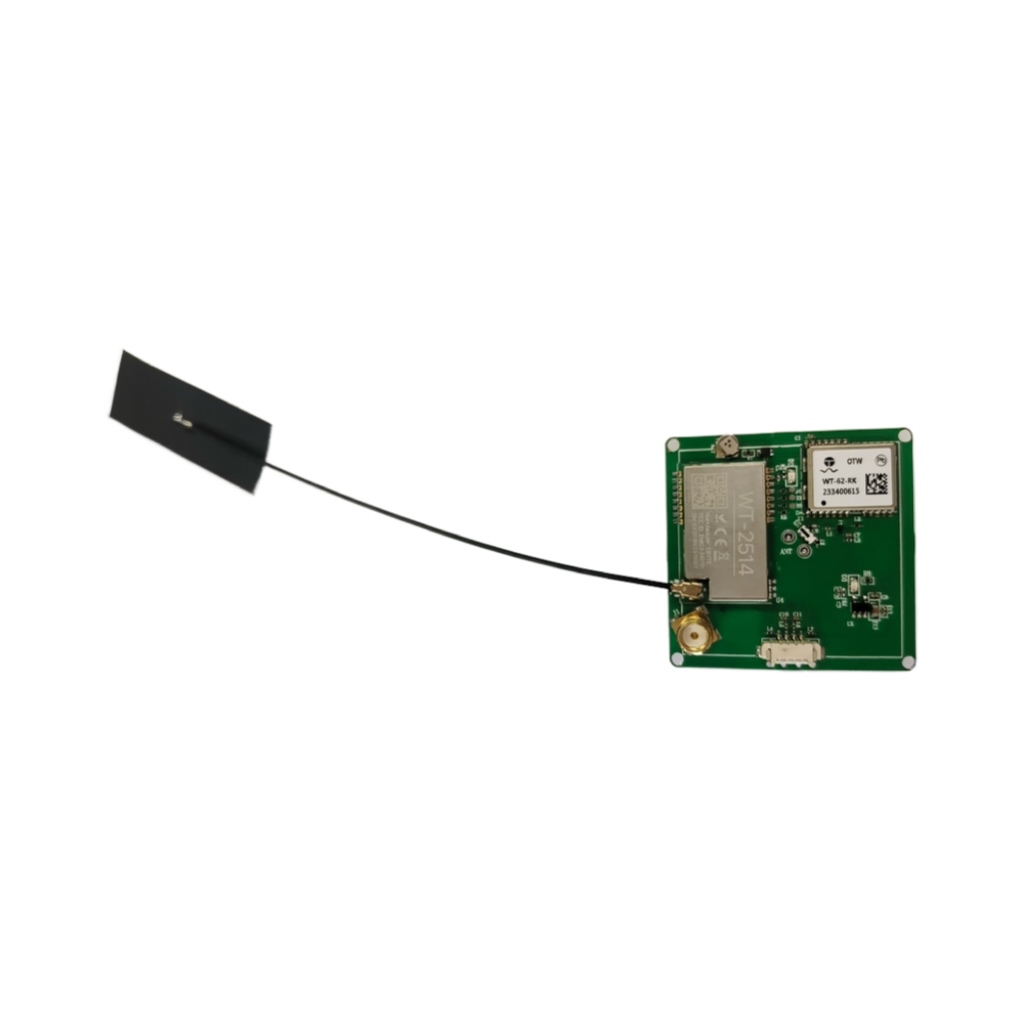
Built-in LoRA, Double fréquence, and RTK Engine
The WT-43-RK-LORA platform delivers ultra-high precision location tracking through engineering innovation. It combines GNSS modules, antennas, and long-range data transmission seamlessly.
Four-System Dual-Frequency Signal Reception
Our engine receives four major satellite constellations simultaneously. It processes BDS (B1i / b2a / b1c), GPS (L1C / A / L5), Galileo (IV / E5A), et GLONASS (L1) signals concurrently. Donc, satellite availability increases dramatically across complex environments. Check out our detailed technical-guide on multi-band RTK signal optimization.
Integrated LoRA Data Transmission Engine
The module incorporates a high-performance LoRA communication transceiver directly. It communicates directly with local base stations without using paid cellular networks. Transmission ranges reach 1-2 km in dense urban areas effortlessly. En outre, open area transmission distances reach up to 5 km smoothly. Par conséquent, vehicles operate normally even inside complete cellular dead zones.
Centimeter-Level Precision for High-Speed Scenarios
An onboard dual-frequency RTK algorithm calculates exact coordinates instantly. The module achieves true centimeter-level positioning accuracy for intelligent driving systems. Entre-temps, ultra-low power consumption preserves main vehicle battery life. Fast positioning capabilities ensure immediate cold-start location acquisition.
Spécifications du produit & Comparaison des certifications
The table below compares core performance metrics across navigation platforms.
| Paramètre / Fonctionnalité | WT-43-RK-LORA RTK Engine | Standard Cellular RTK Receiver |
| Constellations prises en charge | 4-System Dual-Frequency (BDS/GPS/GAL/GLO) | Single or Dual Constellation Only |
| Correction Link | Integrated LoRA Direct Base Link (1-5 kilomètres) | Requires Cellular Data Plan Network |
| Positioning Accuracy | Centimeter-Level Real-Time RTK | Meter-Level Standard Autonomous Fix |
| Cellular Dead Zone Support | Full Normal Operation via LoRA | Total RTK Signal Loss |
| Environmental Standard | Conformité sans plomb (Certifié RoHS) | Basic Standard CE Rating |
| Applications principales | Véhicules autonomes, drones, IdO intelligent | Basic Fleet Asset Trackers |
Diverse Deployment Applications for Smart Mobility
This integrated RTK solution serves multiple advanced technology sectors efficiently.
-
Autonomous Driving & Smart Transit: Self-driving buses execute precise lane-keeping maneuvers continuously.
-
drone & Drones de livraison: Flying drones perform automated landing procedures with centimeter precision.
-
Displacement & Infrastructure Monitoring: Engineers track bridge and structural shifts accurately over time.
-
Collection SIG & Handheld Terminals: Field technicians map utility assets effortlessly without network coverage.
-
Power & Base Station Positioning: Telecom crews calibrate infrastructure coordinates across remote installations.
Power your autonomous vehicle fleets with reliable RTK location technology today! Explore our wide catégorie de produit selection to order your integration modules now.