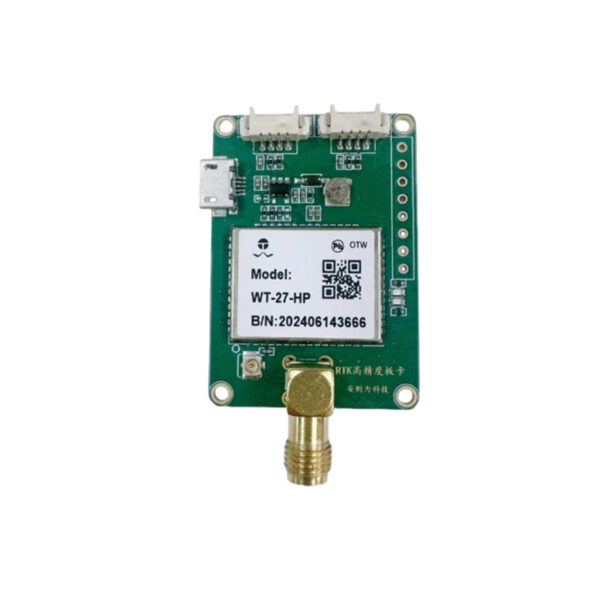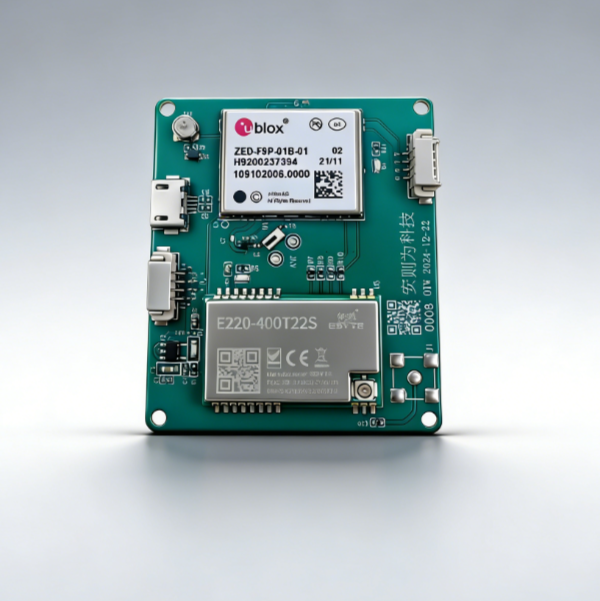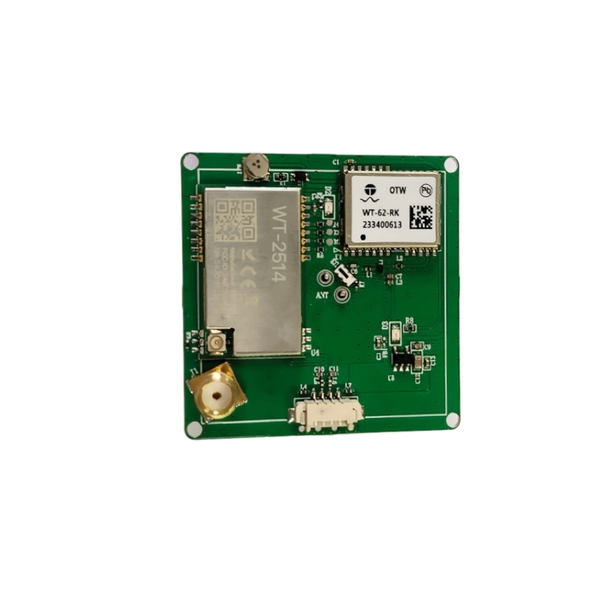
Autonome Fahrzeuge erfordern kontinuierlich hochpräzise Standortaktualisierungen. Standard-GPS-Empfänger liefern keine Positionsgenauigkeit im Zentimeterbereich. Signalblockaden stören die Echtzeitnavigation in den Innenstädten. Glücklicherweise, ein Fortgeschrittener Flotten-RTK-Tracking-Modul löst komplexe Positionierungsherausforderungen nahtlos. Es ermöglicht intelligente Transportsysteme mit Zuverlässigkeit, Geodaten in Echtzeit.
Diese Hochleistungshardware erfüllt strenge Anforderungen bleifreie Compliance (RoHS-Standards) für eine umweltfreundliche Produktion. Außerdem, Seine integrierte drahtlose Architektur vereinfacht die Hardware-Integration in Fahrzeugen. Folglich, Ingenieure bauen viel schneller sicherere autonome Fahrplattformen. Entdecken Sie unser Komplettangebot Produktkategorie line, um Ihre Tracking-Hardware noch heute zu aktualisieren.
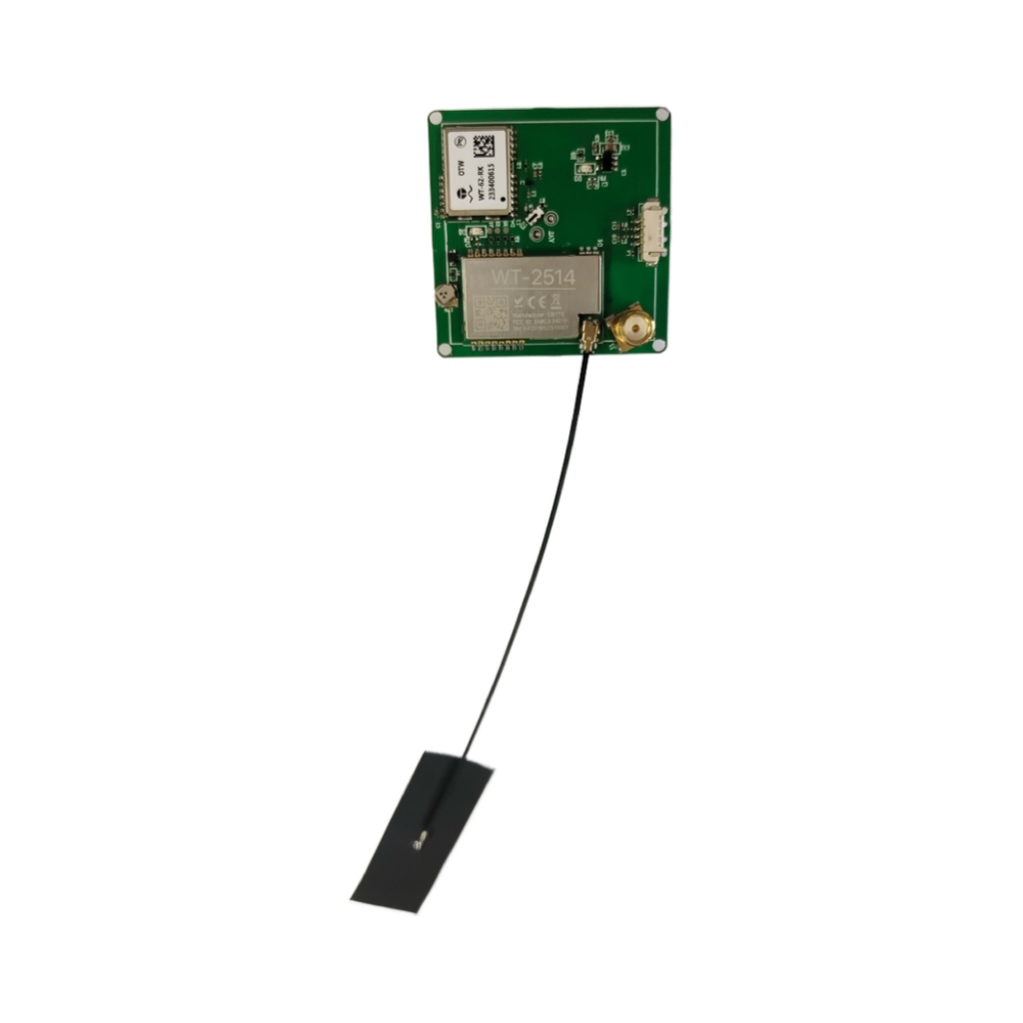
4 Navigationsprobleme in autonomen Flotten
Selbstfahrende Fahrzeuge stehen täglich vor anspruchsvollen Umwelthürden. Standard-Positionierungsmotoren haben bei Hochgeschwindigkeitsmanövern auf der Autobahn Probleme. Ingenieure stoßen regelmäßig auf vier wesentliche Engpässe im realen Betrieb.
Zelltote Zonen in abgelegenen Transitrouten
Autonome Busse fahren oft ohne Mobilfunksignale über Landstraßen. Standard-RTK-Geräte verlieren ohne Mobilfunknetze sofort Differenzkorrekturdaten. Folglich, Die Fahrzeugpositionierung sinkt schnell auf ungenaue Metergenauigkeit. Intelligente Transportsysteme erfordern zuverlässige Offline-Backups von Datenverbindungen.
Phasendrift des Hochgeschwindigkeitssignals auf Autobahnen
Hochgeschwindigkeits-Bewegungsszenarien erzeugen Doppler-Verschiebungen in Satellitensignalen. Herkömmliche GNSS-Empfänger haben Schwierigkeiten, die Phasensynchronisation bei hohen Geschwindigkeiten aufrechtzuerhalten. Infolge, Bei autonomen Lkws kommt es während der Autobahnfahrt zu Spurverfolgungsfehlern. Präzise Navigation erfordert ständig schnelle Trägerphasenverarbeitungsalgorithmen.
Urban Canyon Reflection und Signal Multipath
Hohe Gebäude in der Stadt reflektieren eingehende Satellitensignale, was zu schwerwiegenden Mehrwegeverzerrungen führt. Einfrequenzempfänger geraten in der Nähe von gläsernen Wolkenkratzern gefährlich vom Kurs ab. daher, Robotertaxis erkennen in Innenstädten nicht die korrekten Ausstiegszonen. Multisystem-Zweifrequenzempfänger bleiben für dichte städtische Flotten unerlässlich.
Übermäßiger Stromverbrauch in kompakten UAV-Flotten
Drohnen-Liefernetzwerke erfordern kompakte Positionierungsmodule mit geringem Stromverbrauch. Schwere RTK-Hardware entlädt Flugzeugbatterien, Dadurch wird die Gesamtflugreichweite deutlich reduziert. Daher, Drohnenbetreiber gehen Kompromisse zwischen Flugzeit und Verfolgungsgenauigkeit ein. Moderne UAV-Flotten benötigen dringend Leichtbau, energieeffiziente RTK-Hardware-Engines.
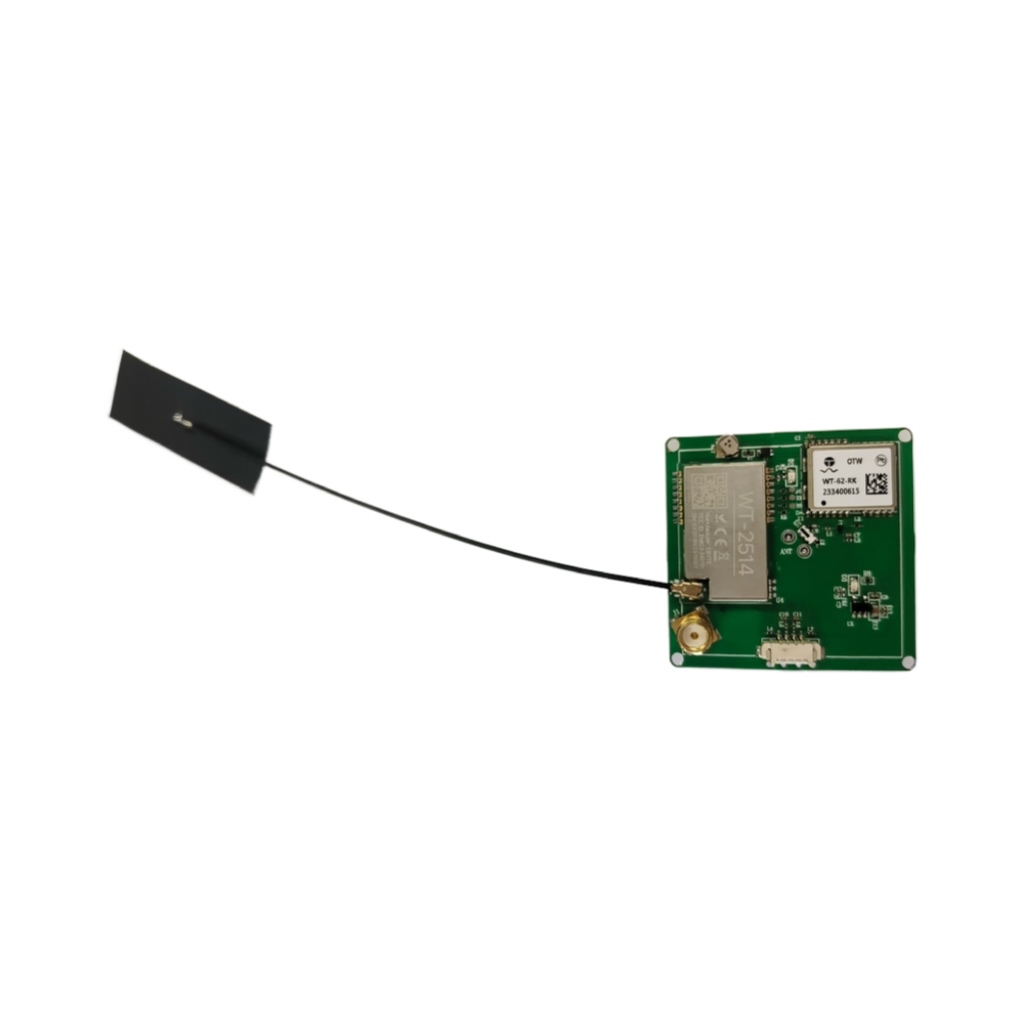
Integriertes LoRA, Zweifrequenz, und RTK-Engine
Die WT-43-RK-LORA-Plattform bietet durch technische Innovation eine hochpräzise Standortverfolgung. Es kombiniert GNSS-Module, Antennen, und Datenübertragung über große Entfernungen nahtlos.
Vier-System-Dual-Frequenz-Signalempfang
Unser Motor empfängt gleichzeitig vier große Satellitenkonstellationen. Es verarbeitet BDS (B1I/B2a/B1C), GPS (L1C/A/L5), Galilei (E1/E5a), und GLONASS (L1) Signale gleichzeitig. daher, Die Satellitenverfügbarkeit nimmt in komplexen Umgebungen dramatisch zu. Schauen Sie sich unseren ausführlichen technischen Leitfaden zur Multiband-RTK-Signaloptimierung an.
Integrierte LoRA-Datenübertragungs-Engine
Das Modul integriert direkt einen leistungsstarken LoRA-Kommunikations-Transceiver. Es kommuniziert direkt mit lokalen Basisstationen, ohne kostenpflichtige Mobilfunknetze zu nutzen. Übertragungsreichweiten erreichen 1-2 km in dicht besiedelten Stadtgebieten mühelos zurücklegen. Außerdem, Übertragungsentfernungen im offenen Bereich erreichen bis zu 5 km reibungslos. Folglich, Fahrzeuge funktionieren auch innerhalb kompletter Mobilfunk-Totzonen normal.
Zentimetergenaue Präzision für Hochgeschwindigkeitsszenarien
Ein integrierter Zweifrequenz-RTK-Algorithmus berechnet sofort genaue Koordinaten. Das Modul erreicht eine Positionierungsgenauigkeit im Zentimeterbereich für intelligente Fahrsysteme. In der Zwischenzeit, Der extrem niedrige Stromverbrauch schont die Lebensdauer der Hauptbatterie des Fahrzeugs. Schnelle Positionierungsfunktionen gewährleisten eine sofortige Standorterfassung beim Kaltstart.
Produktspezifikationen & Zertifizierungsvergleich
Die folgende Tabelle vergleicht die wichtigsten Leistungsmetriken verschiedener Navigationsplattformen.
| Parameter / Besonderheit | WT-43-RK-LORA RTK-Motor | Standard-Mobilfunk-RTK-Empfänger |
| Unterstützte Konstellationen | 4-System Dual-Frequenz (BDS/GPS/GAL/GLO) | Nur Einzel- oder Doppelkonstellation |
| Korrekturlink | Integrierter LoRA Direct Base Link (1-5 km) | Erfordert Mobilfunk-Datentarifnetzwerk |
| Positionierungsgenauigkeit | Echtzeit-RTK auf Zentimeterebene | Standardmäßige autonome Fehlerbehebung auf Zählerebene |
| Unterstützung für Mobilfunk-Totzonen | Vollständiger Normalbetrieb über LoRA | Totaler RTK-Signalverlust |
| Umweltstandard | Bleifreie Compliance (RoHS-zertifiziert) | Grundlegende Standard-CE-Bewertung |
| Primäre Anwendungen | Autonome Fahrzeuge, Uavs, Intelligentes IoT | Grundlegende Flotten-Asset-Tracker |
Vielfältige Einsatzmöglichkeiten für intelligente Mobilität
Diese integrierte RTK-Lösung bedient mehrere fortschrittliche Technologiesektoren effizient.
-
Autonomes Fahren & Intelligenter Transit: Selbstfahrende Busse führen kontinuierlich präzise Spurhaltemanöver durch.
-
UAV & Lieferdrohnen: Flugdrohnen führen automatisierte Landevorgänge zentimetergenau durch.
-
Verschiebung & Infrastrukturüberwachung: Ingenieure verfolgen Brücken- und Strukturverschiebungen im Laufe der Zeit genau.
-
GIS-Sammlung & Handheld-Terminals: Außendiensttechniker kartieren Versorgungsanlagen mühelos ohne Netzabdeckung.
-
Leistung & Positionierung der Basisstation: Telekommunikationsteams kalibrieren Infrastrukturkoordinaten über entfernte Installationen hinweg.
Versorgen Sie Ihre autonomen Fahrzeugflotten noch heute mit zuverlässiger RTK-Ortungstechnologie! Entdecken Sie unsere Weite Produktkategorie Auswahl, um jetzt Ihre Integrationsmodule zu bestellen.