เกษตรกรเชิงพาณิชย์ยุคใหม่ต้องสร้างสมดุลระหว่างต้นทุนค่าโสหุ้ยในการดำเนินงานที่เพิ่มขึ้นกับความต้องการในการอนุรักษ์ดินที่สำคัญในแต่ละวัน. เพราะเหตุนี้, การเพิ่มผลผลิตตามฤดูกาลให้สูงสุดต้องใช้กลยุทธ์การจัดสรรพื้นที่อย่างชาญฉลาดในทุกเอเคอร์. แบบดั้งเดิม, วิธีการปลูกที่ไม่แม่นยำมักทำให้สารอาหารไม่เพียงพอทั่วทั้งกริดทุ่งกว้างใหญ่.
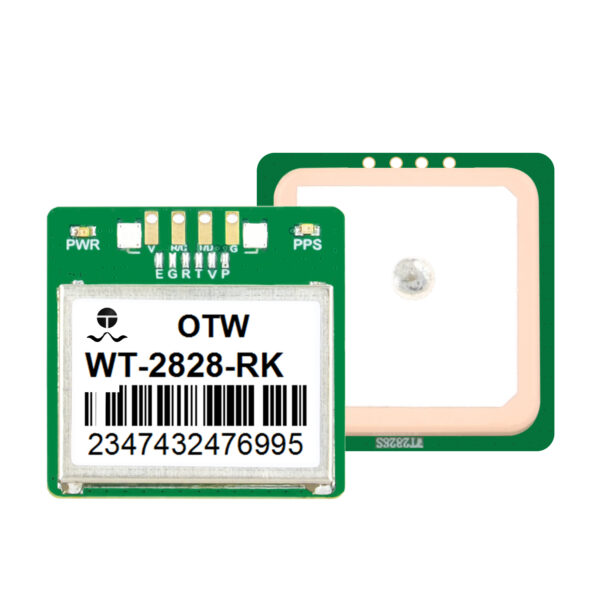
ความท้าทายด้านการจัดการนี้อธิบายได้ว่าทำไมผู้ปลูกที่มีความก้าวหน้าจึงเลือกใช้เครื่องรับ GPS สำหรับการเกษตรที่มีความแม่นยำ เพื่อจัดการกับการตั้งค่าภาคสนามที่ซับซ้อน. การใช้เครือข่ายดาวเทียมขั้นสูงช่วยให้ผู้ปฏิบัติงานสามารถติดตามโซนดินเฉพาะได้อย่างมั่นใจทางคณิตศาสตร์อย่างแน่นอน.
คู่มือที่ครอบคลุมนี้ให้รายละเอียดว่าการติดตามตำแหน่งทางภูมิศาสตร์อัจฉริยะช่วยปลดล็อกประสิทธิภาพการใช้ที่ดินที่เหนือกว่าสำหรับฟาร์มที่หลากหลายได้อย่างไร. เราจะวิเคราะห์เวิร์กโฟลว์การทำแผนที่ดิจิทัล, กลยุทธ์การจัดการแถว, และพารามิเตอร์ ROI ของการทำฟาร์มแบบยั่งยืน.
ความสำคัญเชิงกลยุทธ์ของการปลูกพืชหมุนเวียนอย่างยั่งยืน
การปลูกพืชหมุนเวียนถือเป็นรากฐานสำคัญของความยั่งยืน, การจัดการธุรกิจการเกษตรที่ให้ผลตอบแทนสูง. การปลูกพืชที่หยั่งรากลึกสลับกับพืชตรึงไนโตรเจนตามธรรมชาติจะช่วยฟื้นฟูโครงสร้างของดินที่เสื่อมสภาพเมื่อเวลาผ่านไป.
อย่างไรก็ตาม, การติดตามการเปลี่ยนแปลงขอบเขตตามฤดูกาลด้วยตนเองทำให้เกิดปัญหาด้านลอจิสติกส์อย่างมากสำหรับองค์กรเกษตรกรรมขนาดใหญ่. หากรถแทรกเตอร์ของคุณเลี้ยวออกไปเพียงไม่กี่นิ้ว, คุณรบกวนโซนสารอาหารที่วางแผนไว้อย่างระมัดระวัง.
[Year 1: Corn Feed] --> Heavy Nitrogen Consumptive Phase
[ปี 2: ถั่วเหลือง] –> ขั้นตอนการตรึงไนโตรเจนตามธรรมชาติ [ความแม่นยำที่จำเป็น] –> การจัดตำแหน่งนิ้วย่อยผ่านการล็อคดาวเทียม |
ดังนั้น, การรักษาการแบ่งแยกพื้นที่ที่เข้มงวดระหว่างตระกูลพืชผลที่แตกต่างกันถือเป็นสิ่งสำคัญอย่างยิ่ง. เครื่องรับ GPS สำหรับการเกษตรที่มีความแม่นยำสูง ป้องกันการทับซ้อนกันโดยไม่ตั้งใจระหว่างแถวพืชผลต่างๆ ได้อย่างง่ายดาย. ช่วยให้มั่นใจได้ว่าพืชเป้าหมายของคุณจะได้รับสภาพแวดล้อมทางดินที่ต้องการในการเจริญเติบโต.
บรรลุประสิทธิภาพการใช้ที่ดินสูงสุดด้วยการนำทางผ่านดาวเทียม
การเพิ่มพื้นที่ทุ่งให้สูงสุดทำให้ผู้ปลูกต้องกำจัดพื้นที่เพาะปลูกที่สูญเปล่าตามขอบสนามและหัวแหลม. การติดตามเครื่องจักรมาตรฐานมักจะสร้างช่องว่างที่ไม่จำเป็นหรือการทับซ้อนกันแบบ double-seed ในระหว่างกะการทำงานที่ยาวนาน.
แพลตฟอร์มนำทางด้วยดาวเทียมเพื่อการทำฟาร์มอัจฉริยะสมัยใหม่ช่วยแก้ปัญหาขยะเชิงพื้นที่นี้โดยทำให้รูปแบบการบังคับเลี้ยวที่ซับซ้อนเป็นอัตโนมัติ. ระบบจะนำทางเครื่องจักรหนักไปตามเส้นทางที่มีการปรับให้เหมาะสมที่สุด, ลดพื้นที่ที่ไม่ได้ปลูกให้เป็นศูนย์สัมบูรณ์.

นอกจากนี้, ความแม่นยำทางกายภาพขั้นสุดยอดนี้ช่วยลดค่าใช้จ่ายอินพุตตามฤดูกาลของคุณได้โดยตรง. รถแทรกเตอร์ประหยัดเชื้อเพลิงโดยดำเนินการแก้ไขน้อยลงเมื่อสิ้นสุดการผ่านการเพาะปลูกแต่ละครั้ง. รูปแบบการขับขี่ที่มีประสิทธิภาพนี้จะเพิ่มผลผลิตรวมในฟาร์มของคุณให้สูงสุด ในขณะเดียวกันก็ปกป้องชั้นดินชั้นบนที่เปราะบางจากการบดอัดอย่างหนัก.
การรวมซอฟต์แวร์ดิจิทัลเข้ากับฮาร์ดแวร์ภาคสนาม
ฮาร์ดแวร์ระบุตำแหน่งทางภูมิศาสตร์ระดับพรีเมียมมอบผลลัพธ์การดำเนินงานที่ดีที่สุดเมื่อจับคู่กับแพลตฟอร์มข้อมูลอัจฉริยะ. นักปฐพีวิทยาสมัยใหม่ใช้ซอฟต์แวร์การวางแผนการปลูกพืชหมุนเวียนแบบพิเศษเพื่อออกแบบตารางภาคสนามหลายปี.
ช่างเทคนิคอัปโหลดแผนที่ภาคสนามดิจิทัลแบบกำหนดเองเหล่านี้โดยตรงไปยังคอนโซลรถแทรกเตอร์ผ่านลิงก์ไร้สายที่ปลอดภัย. จากนั้นระบบนำทางจะอ่านพิกัดเป้าหมายเพื่อปรับรูปแบบการกระจายเมล็ดทันทีตามภูมิประเทศที่เปลี่ยนแปลง.
-
การแยกโซน: แยกขอบเขตการพ่นสารเคมีออกจากแปลงอาหารออร์แกนิกอย่างเคร่งครัด.
-
การติดตามประวัติศาสตร์: บันทึกประวัติผลผลิตหลายปีเพื่อวิเคราะห์แนวโน้มความอุดมสมบูรณ์ของดินได้อย่างแม่นยำ.
-
การปรับแบบไดนามิก: แก้ไขความหนาแน่นของการปลูกได้ทันทีโดยอิงตามการวัดประสิทธิภาพของดินในอดีต.
-
การบังคับใช้เขตแดน: ป้องกันไม่ให้ผู้ปฏิบัติงานข้ามเข้าไปในเขตระบายน้ำด้านสิ่งแวดล้อมที่ได้รับการคุ้มครองโดยไม่ได้ตั้งใจ.
เพิ่มประสิทธิภาพการตั้งค่าอุปกรณ์สำหรับสาขาที่หลากหลาย
การใช้อุปกรณ์เสริมการเชื่อมต่อคุณภาพสูงช่วยให้มั่นใจได้ว่าการสื่อสารข้อมูลระหว่างรถยนต์และเครือข่ายฐานจะมีเสถียรภาพ. เรียนรู้เพิ่มเติมเกี่ยวกับการกำหนดค่าระบบตัวรับส่งสัญญาณทางการเกษตรที่ทนทานเพื่อป้องกันข้อมูลตกระหว่างพายุฝุ่นที่รุนแรง.
4 ขั้นตอนในการทำแผนที่การหมุนครอบตัดอย่างแม่นยำโดยใช้ GPS
การใช้โปรโตคอลการหมุนที่ขับเคลื่อนด้วยดาวเทียมต้องใช้แนวทางทางเทคนิคที่เป็นระบบเพื่อให้แน่ใจว่าข้อมูลมีความสอดคล้องกันอย่างสมบูรณ์.
การเอาชนะความท้าทายด้านภูมิประเทศและความล่าช้าหลายเส้นทาง
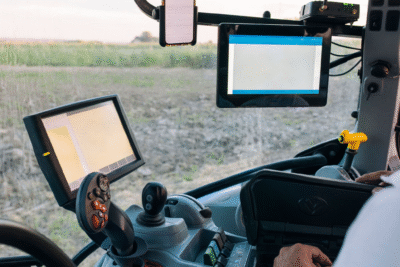
ภูมิประเทศที่เป็นเนินเขาและแนวต้นไม้โดยรอบสามารถปิดกั้นสัญญาณดาวเทียมนำทางทั่วโลกมาตรฐานโดยไม่คาดคิด. เมื่อรถแทรกเตอร์ทำงานในหุบเขาลึก, สิ่งกีดขวางทางกายภาพจะเบี่ยงเบนคลื่นวิทยุที่เข้ามา, ทำให้เกิดความล่าช้าในการวางตำแหน่งชั่วคราว.
เครื่องรับระดับไฮเอนด์จะแก้ไขปัญหานี้โดยการใช้กลุ่มดาวดาวเทียมหลายดวงพร้อมกัน, เช่น จีพีเอส, กลอส, และกาลิเลโอ. การเข้าถึงดาวเทียมหลายสิบดวงพร้อมกันช่วยรักษาความแม่นยำระดับต่ำกว่านิ้วแม้อยู่ใต้หลังคาบางส่วน.
[Multiple Satellites] ---> Redundant Signals ---> Stable RTK Correction ---> Pure Precision |
นอกจากนี้, โมดูลชดเชยความเอียงภายในขั้นสูงจะปรับข้อมูลตำแหน่งเมื่อรถแทรกเตอร์พิงบนทางลาดชัน. การคำนวณอัตโนมัตินี้ช่วยให้มั่นใจได้ว่าการเจาะเมล็ดจะหยอดเมล็ดตามเส้นกึ่งกลางที่วางแผนไว้ทุกประการ. อ่านรายละเอียดจากผู้เชี่ยวชาญของเราเกี่ยวกับการปรับพารามิเตอร์การปรับเทียบพวงมาลัยอัตโนมัติเพื่อให้อุปกรณ์ของคุณทำงานตรง.
ประโยชน์ระยะยาวของการวางแผนการเกษตรที่ขับเคลื่อนด้วย GPS
การเปลี่ยนไปใช้การจัดการแถวแบบอัตโนมัติทำให้เกิดข้อได้เปรียบด้านพืชไร่อย่างมาก ซึ่งนอกเหนือไปจากความสะดวกในการบังคับเลี้ยวแบบธรรมดา.
อันดับแรก, การวางตำแหน่งสนามที่แม่นยำช่วยลดความจำเป็นในการไถพรวนแบบลึกในช่วงหลายฤดูกาล. เนื่องจากล้อแทรคเตอร์ของคุณวิ่งตามเส้นทางการติดตามที่เหมือนกันเสมอ, คุณจำกัดการบดอัดดินที่เป็นอันตรายให้อยู่ในเลนที่กำหนด. การปฏิบัติเช่นนี้ทำให้แปลงเมล็ดที่อยู่รอบๆ หลวม, มีรูพรุน, และเปิดรับการเจริญเติบโตของรากอย่างมาก.
ที่สอง, บันทึกการใช้งานที่แม่นยำช่วยให้คุณปฏิบัติตามมาตรฐานการรับรองด้านสิ่งแวดล้อมที่เข้มงวดได้อย่างง่ายดาย. คุณสามารถพิสูจน์ประวัติทางเคมีที่แน่นอนของคุณต่อหน่วยงานกำกับดูแลได้โดยใช้บันทึกดิจิทัลที่ได้รับการตรวจสอบแล้ว. ความโปร่งใสนี้ช่วยให้ธุรกิจการเกษตรของคุณสามารถเข้าถึงตลาดอาหารออร์แกนิกและยั่งยืนระดับพรีเมียมทั่วโลก.
เกษตรกรรมที่ขับเคลื่อนด้วยข้อมูลช่วยรักษาอนาคตของคุณ
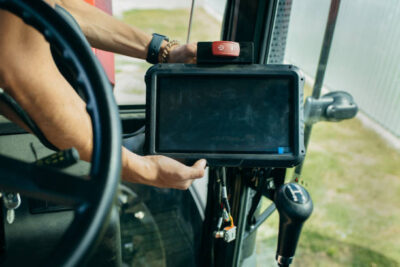
เครื่องรับ GPS สำหรับการเกษตรที่มีความแม่นยำสามารถเพิ่มประสิทธิภาพการจัดการภาคสนามตามฤดูกาลของคุณได้อย่างแท้จริง? หลักฐานเชิงประจักษ์ชี้ไปที่ใช่ดังกึกก้อง.
โดยการใช้ การนำทางด้วยดาวเทียมที่มีความแม่นยำสูง, คุณกำจัดการทับซ้อนกันของแถวที่สิ้นเปลืองและเพิ่มพื้นที่ใช้งานทั้งหมดของคุณให้สูงสุด. การรวมฮาร์ดแวร์ทางกายภาพของคุณเข้ากับเครื่องมือการทำแผนที่ GIS ทางการเกษตรขั้นสูง ช่วยให้สามารถควบคุมสภาพดินเป็นเวลาหลายปีได้อย่างสมบูรณ์. อย่าปล่อยให้ผลผลิตภาคสนามของคุณเป็นเพียงการคาดเดาหรือวิธีการแบบแมนนวลที่ล้าสมัย. ลงทุนในระบบระบุตำแหน่งทางภูมิศาสตร์แบบมืออาชีพวันนี้เพื่อปกป้องทรัพย์สินในดินของคุณ, เพิ่มผลผลิตพืชผล, และเพิ่มรายได้ฟาร์มของคุณให้สูงสุด.