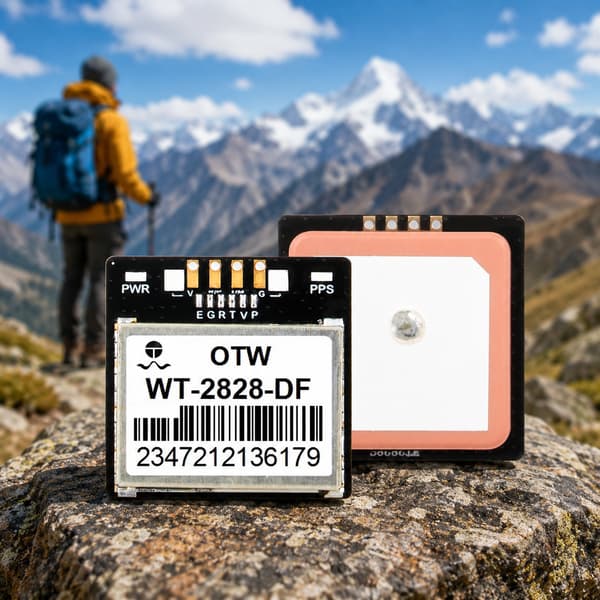
Venturing into the deep wilderness brings a unique sense of freedom. However, nature also presents significant technical challenges for hikers. Dense forest canopies and steep canyons often swallow satellite signals. In these critical moments, your safety depends entirely on your gear.
Many outdoor enthusiasts now debate a specific tech upgrade. Do you really need a dual-frequency system? Or is standard GPS enough for the trail? A high-quality personal positioning GPS receiver might be the answer. This article explores why dual-band technology is becoming a hiking essential. We will look at how it handles the toughest environments.
Understanding the Dual-Band Advantage
Standard GPS devices typically use only the L1 signal band. While reliable in open fields, L1 struggles with obstacles. Trees and rock walls reflect these signals easily. This creates “multipath errors” that mess up your coordinates.
A modern personal positioning GPS receiver uses dual-frequency technology. It tracks both L1 and L5 bands simultaneously. The L5 signal is much stronger and more sophisticated. It penetrates thick leaves and bounces off canyon walls effectively. Consequently, your device maintains a lock when others fail.
Why L5 is a Game Changer
The L5 frequency has a higher power level. It also uses a more complex signal structure. This allows the receiver to distinguish between direct and reflected signals. For a hiker, this means the blue dot stays on the trail. You won’t see your position jumping across a river suddenly. This precision provides massive peace of mind during long treks.
Multi-System Synchronous Reception
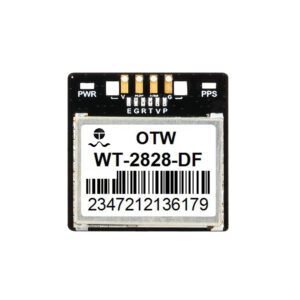
Satellite navigation is no longer just about American GPS. Today, the sky is full of different satellite “constellations.” A premium personal positioning GPS receiver tracks them all at once. This multi-system approach ensures you are never truly alone.
-
GPS: Tracks L1C/A and the advanced L5 band.
-
BDS (Beidou): Synchronizes with B1I, B2a, and B1C signals.
-
GALILEO: Connects with European E1 and E5a bands.
-
GLONASS: Utilizes the Russian L1 system for added stability.
By using four global systems, you increase your satellite count. More satellites mean a faster and more accurate position fix. This redundancy is vital during unexpected mountain storms.
Positioning in Sheltered Environments
Sheltered environments are the biggest enemy of navigation. Think about a narrow valley or a dense pine forest. These areas often create “dead zones” for basic receivers. They leave hikers feeling blind and frustrated.
Modern dual-band modules thrive in these difficult spots. They achieve fast positioning even when the sky is partially blocked. This speed is not just a convenience. In an emergency, every second counts for rescue teams. A reliable personal positioning GPS receiver ensures they find you quickly. It works hard so you can focus on the path ahead.
Eliminating Signal Drift
Have you ever looked at your hiking track later? Sometimes it looks like you walked through solid rock. This “drift” happens when the receiver loses precision. Dual-band technology significantly reduces these errors. Your recorded path will match your actual footsteps almost perfectly. This is essential for accurate trip logging and mapping.
Integrated Design for the Modern Hiker
Old-school GPS setups were often bulky and fragile. You had to mount antennas separately on your backpack. This created snag hazards and complex wiring issues. It made the gear feel heavy and unreliable.
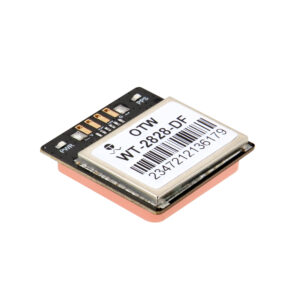
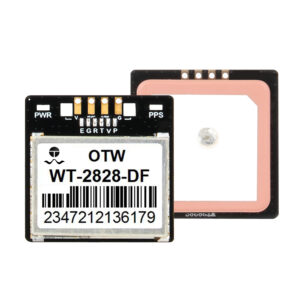
Current technology favors an antenna-positioning integrated design. Engineers have shrunk the hardware into a tiny, convenient package. This makes installation into handheld devices or wearables incredibly easy. It also improves durability against drops and vibration. A rugged personal positioning GPS receiver can handle the toughest trails. It fits perfectly into your lightweight hiking setup.
Ease of Installation and Use
You don’t need an engineering degree to use this tech. The integrated design simplifies the user interface significantly. You simply turn it on and wait for the lock. The internal software handles the complex math of dual-frequency signals. View the integrated GPS modules we can embed in outdoor gear.
Enhancing Safety and Peace of Mind
Hiking is supposed to be about relaxation. You cannot relax if you are worried about getting lost. Using a high-end personal positioning GPS receiver removes that anxiety. It acts as a silent guardian in your pocket.
You can explore off-trail with much more confidence. You know exactly where you are at every moment. Furthermore, you can share your precise coordinates with family members. This safety net allows you to focus on the beauty around you. It changes how you experience the great outdoors.
Battery Life and Efficiency
You might think dual-band tech drains your battery. However, modern chipsets are incredibly power-efficient. They manage the multi-system load without killing your device. This is crucial for multi-day backpacking trips. You get high performance without carrying extra battery packs. It is a win for both weight and safety.
The Future of Wilderness Navigation
Technology never stops moving forward. Dual-band GNSS is now the new gold standard for professionals. Surveyors and search teams have used it for years. Now, this power is available for every casual hiker. It levels the playing field for outdoor safety.
As more L5-capable satellites launch, performance will only improve. Investing in a dual-band personal positioning GPS receiver future-proofs your gear. You won’t need to upgrade again for a long time. It is a smart choice for any serious outdoor enthusiast. It keeps you connected to the world above.
Why Real-World Testing Matters
In my experience, specs on a page are only part of the story. You need to see how a device acts under a wet forest canopy. Standard receivers often spin their wheels there. They hunt for a signal that never arrives.
But a dual-band personal positioning GPS receiver grabs that signal quickly. It uses the L5 band to cut through the noise. I have seen these modules lock on in seconds inside deep ravines. This is where the technology truly proves its worth. It turns a stressful situation into a manageable one.
Final Verdict: Is it Necessary?
So, is a dual-band receiver truly necessary? If you only hike in city parks, probably not. But for deep wilderness, the answer is a firm yes. The risks in the wild are simply too high for basic gear.
The increased accuracy in sheltered environments is a lifesaver. The ability to track four systems ensures constant connectivity. Plus, the integrated design makes it easy to carry. Don’t settle for “good enough” when it comes to navigation. Choose a personal positioning GPS receiver that can handle the wild. Your safety and your adventures are worth the investment. Trust the tech that leads you home safely.