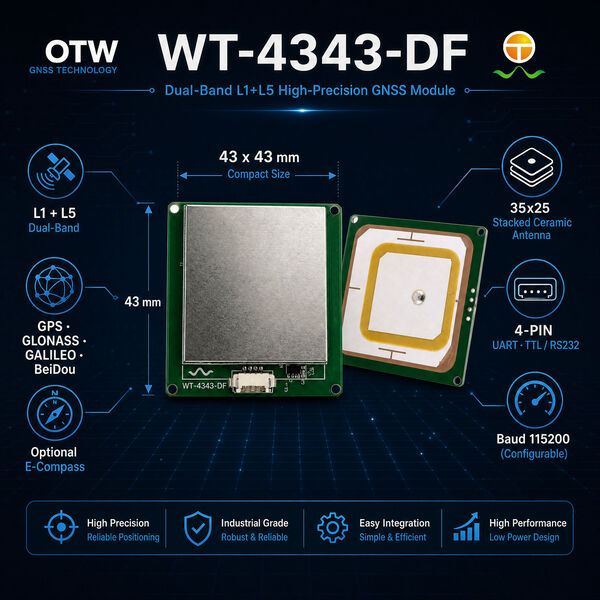
स्वायत्त नेव्हिगेशनसाठी जटिल लँडस्केपमध्ये अथक अचूकता आवश्यक आहे. स्टँडर्ड ग्राहक चिप्स गंभीर शारीरिक पर्यावरणीय तणावाखाली अयशस्वी होतात. सिग्नल मल्टीपाथ हस्तक्षेप रिअल-टाइम पोझिशनिंग अपडेट्समध्ये सतत व्यत्यय आणतो. सुदैवाने, एक औद्योगिक स्थिती मॉड्यूल या कठीण ऑपरेशनल अडथळ्यांचे सहजतेने निराकरण करते. हे स्व-ड्रायव्हिंग वाहने आणि मानवरहित ड्रोनसाठी स्थिर नेव्हिगेशन प्रदान करते.
हे औद्योगिक हार्डवेअर याची खात्री देते लीड-फ्री अनुपालन (RoHS मानके) ग्रीन मॅन्युफॅक्चरिंगसाठी. शिवाय, ड्युअल-फ्रिक्वेंसी सिग्नल गोंगाटयुक्त रेडिओ वातावरणात डेटा अखंडतेचे संरक्षण करतात. परिणामी, अभियांत्रिकी संघ आता पूर्ण आत्मविश्वासाने स्वायत्त प्लॅटफॉर्म तैनात करतात. आमचे संपूर्ण अन्वेषण करा उत्पादन श्रेणी आज तुमचे फ्लीट हार्डवेअर अपग्रेड करण्यासाठी लाइन.

4 स्वायत्त प्रणालींमध्ये नेव्हिगेशन वेदना बिंदू
मानवरहित हवाई ड्रोन आणि स्वायत्त वाहनांना दररोज कठोर भौतिक वातावरणाचा सामना करावा लागतो. हाय-स्पीड ट्रान्झिट मॅन्युव्हर्स दरम्यान बेसिक लोकेशन इंजिन्स संघर्ष करतात. अभियंत्यांना वारंवार चार प्रमुख ऑपरेशनल पोझिशनिंग आव्हानांचा सामना करावा लागतो.
ड्रोनवर हाय-स्पीड फेज अस्थिरता
व्यावसायिक वितरण ड्रोन वाऱ्याच्या हवेतून उच्च वेगाने फिरतात. स्टँडर्ड सिंगल-फ्रिक्वेंसी मॉड्युल जलद वळणाच्या वेळी गंभीर फेज झटका सहन करतात. परिणामी, स्वयंचलित लँडिंग अनुक्रमांदरम्यान फ्लाइट कंट्रोलर मिलिमीटर स्थिरता गमावतात. समतोल राखण्यासाठी मानवरहित प्रणालींना उच्च-रिफ्रेश ट्रॅकिंग मॉड्यूलची आवश्यकता असते.
उंच शहरांमध्ये बहु-पाथ विकृती
गगनचुंबी इमारती थेट वाहन अँटेनापर्यंत पोहोचण्यापूर्वी उपग्रह सिग्नल प्रतिबिंबित करतात. हे बाउन्स झालेले सिग्नल डाउनटाउन कॉरिडॉरमध्ये मोठ्या प्रमाणात लोकेशन ड्रिफ्ट त्रुटी निर्माण करतात. परिणामी, स्वायत्त कार व्यस्त रस्त्यावर लेन पोझिशन्सची चुकीची गणना करतात. मल्टीपाथ हस्तक्षेप पूर्णपणे काढून टाकण्यासाठी ड्युअल-फ्रिक्वेंसी फिल्टरिंग आवश्यक बनते.
मासेमारीच्या बोटींवर कडक बाहेरील तापमान वाढले
सागरी ट्रॅकिंग गियर समुद्रात अत्यंत तापमानात बदल सहन करते. सौर किरणोत्सर्ग दररोज ७० डिग्री सेल्सियसपेक्षा जास्त तापमानात असुरक्षित इलेक्ट्रॉनिक घरे शिजवतात. मानक रिसीव्हर्सना तीव्र उष्णतेच्या प्रभावाखाली वारंवारता वाहून जाण्याचा अनुभव येतो. सागरी प्रणालींना अत्यंत थर्मल श्रेणींसाठी रेट केलेले औद्योगिक घटक आवश्यक आहेत.
बॅटरी वेअरेबल्सवर अत्याधिक एनर्जी ड्रॉ
कॉम्पॅक्ट फील्ड ट्रॅकिंग युनिट्सना ऑपरेशन्स दरम्यान दीर्घ बॅटरी रनटाइमची आवश्यकता असते. हाय-पॉवर लोकेशन चिप्स काही तासांत पोर्टेबल पॉवर सेल काढून टाकतात. त्यामुळे, लांब मोहिमेदरम्यान फील्ड तंत्रज्ञ गंभीर स्थान ट्रॅकिंग गमावतात. लो-पॉवर हार्डवेअर आर्किटेक्चर ही तातडीची डिझाइन आवश्यकता आहे.
तांत्रिक उपाय: L1 + L5 दुहेरी वारंवारता आणि उच्च रिफ्रेश दर
OTW WT-4343-DF प्लॅटफॉर्म प्रगत डिझाइनद्वारे सिग्नल डिग्रेडेशनचे निराकरण करते. हे मागणी असलेल्या व्यावसायिक वातावरणात विश्वासार्ह डेसिमीटर-स्तरीय अचूकता प्रदान करते.
L1 + L5 ड्युअल-फ्रिक्वेंसी सिग्नल आर्किटेक्चर
आमचे प्रगत इंजिन L1 आणि L5 बँड सिग्नल्सवर एकाच वेळी प्रक्रिया करते. हे GPS/QZSS ट्रॅक करते, बीडीएस, गॅलीलियो, आणि ग्लोनास नक्षत्र एकाचवेळी. ओलांडून 128 ट्रॅकिंग चॅनेल, ड्युअल-फ्रिक्वेंसी तंत्रज्ञान आयनोस्फेरिक विलंब स्वयंचलितपणे रद्द करते. दाट झाडांच्या छताखाली देखील उपग्रह दृश्यमानता लक्षणीय वाढते. आमचे तपशीलवार पहा तांत्रिक-मार्गदर्शक ड्युअल-बँड सिग्नल प्रोसेसिंग पद्धतींवर.
उच्च संवेदनशीलता आणि जलद सिग्नल रीॲक्विझिशन
इंटिग्रेटेड लो-नॉइज ॲम्प्लिफायर्स अपवादात्मक -167dBm ट्रॅकिंग संवेदनशीलता रेटिंग देतात. मॉड्यूल छताखाली -160dBm पर्यंत कमकुवत सिग्नल कॅप्चर करते. शिवाय, सरासरी गरम फक्त मध्ये पूर्ण होते 1 दुसरा. कोल्ड स्टार्ट फक्त आवश्यक आहे 28 सामान्य आकाश परिस्थितीत सेकंद.
औद्योगिक थर्मल सहनशक्ती आणि उर्जा कार्यक्षमता
सक्रिय ट्रॅकिंग दरम्यान ऑपरेटिंग पॉवर 1.8V वर फक्त 103mW वापरते. मुख्य बॅटरी जतन करण्यासाठी स्टँडबाय मोड 20μW खाली काढतो. शिवाय, औद्योगिक घरे -40 डिग्री सेल्सिअस ते 85 डिग्री सेल्सिअस पर्यंत अत्यंत तापमान सहन करतात. पर्यंत उच्च अद्यतन दर 10 Hz पर्यंत जलद गतीला समर्थन देते 515 मी/एस.

उत्पादन वैशिष्ट्ये & पॅरामीटर तुलना
खालील सारणी WT-4343-DF मॉड्यूलसाठी कार्यप्रदर्शन मेट्रिक्स हायलाइट करते.
| पॅरामीटर / वैशिष्ट्य | OTW WT-4343-DF औद्योगिक मॉड्यूल | मानक ग्राहक GNSS प्राप्तकर्ता |
| समर्थित फ्रिक्वेन्सी | L1 + L5 ड्युअल-फ्रिक्वेंसी मल्टी-सिस्टम | सिंगल-बँड L1 फक्त |
| स्थिती अचूकता | डेसिमीटर-पातळी (<2मी + 1पीपीएम सीईपी 50) | मूलभूत मीटर-स्तर (5मी – 10मी) |
| ऑपरेटिंग तापमान | औद्योगिक श्रेणी: -40°C ते +85°C | व्यावसायिक श्रेणी: -20°C ते +60°C |
| ट्रॅकिंग संवेदनशीलता | ट्रॅकिंग: -167डीबीएम / थंड: -148डीबीएम | ट्रॅकिंग: -155डीबीएम / थंड: -135डीबीएम |
| अद्यतन दर & गती | पर्यंत 10 हर्ट्ज / कमाल वेग: 515 मी/एस | मानक 1 हर्ट्ज / कमाल वेग: 100 मी/एस |
| वीज वापर | धावत आहे: 103mW@1.8V / स्टँडबाय: <20μW | धावत आहे: >250mW / स्टँडबाय: >100μW |
| अनुपालन मानक | लीड-मुक्त अनुपालन (RoHS प्रमाणित) | मूलभूत मानक सीई रेटिंग |
नेक्स्ट-जेन मोबिलिटीसाठी विविध उपयोजन परिस्थिती
हे बहुमुखी ड्युअल-फ्रिक्वेंसी मॉड्यूल एकाधिक आधुनिक औद्योगिक क्षेत्रांना प्रभावीपणे सक्षम करते.
-
स्वायत्त वाहने: सेल्फ-ड्रायव्हिंग कार सतत विश्वासार्ह डेसिमीटर अचूकतेसह अचूक हायवे युक्त्या चालवतात.
-
व्यावसायिक ड्रोन: पर्यंत मानवरहित हवाई वाहने स्वयंचलित उड्डाण मार्ग सुरक्षितपणे कार्यान्वित करतात 515 मी/से वेग.
-
सागरी मासेमारी नौका: समुद्री जहाजे कठोर खार्या पाण्याच्या थर्मल परिस्थितीत अचूक स्थान ट्रॅक ठेवतात.
-
औद्योगिक IoT प्रणाली: स्मार्ट लॉजिस्टिक उपकरणे मोठ्या फॅक्टरी यार्डमध्ये सहजतेने मालमत्तेच्या हालचालींचा मागोवा घेतात.
आजच तुमचे स्वायत्त प्लॅटफॉर्म उच्च-परिशुद्धता ड्युअल-फ्रिक्वेंसी लोकेशन इंजिनसह सुसज्ज करा! आमचे सर्वसमावेशक ब्राउझ करा उत्पादन श्रेणी आता मूल्यमापन नमुने ऑर्डर करण्यासाठी कॅटलॉग.