신뢰할 수 있는 위치 데이터는 현대 내비게이션 시스템의 핵심입니다.. 오늘날 많은 산업용 애플리케이션은 특정 하드웨어 솔루션에 의존하고 있습니다.. 추적 및 타이밍을 위해 내장형 GPS G-Mouse 모듈을 사용합니다.. 이 장치는 안테나와 수신기를 하나의 장치에 결합합니다.. 뛰어난 편의성을 제공하지만 정확성을 유지하려면 적절한 관리가 필요합니다..
환경적 요인으로 인해 시간이 지남에 따라 신호 품질이 서서히 저하될 수 있습니다.. 먼지, 수분, 진동은 종종 민감한 내부 센서에 영향을 미칩니다.. 이 가이드에서는, 우리는 귀하의 하드웨어에 대한 필수 유지 관리 전략을 탐구합니다.. 일관된 포지셔닝 결과를 보장하는 방법을 알려드리겠습니다.. 앞으로 몇 년간 귀하의 내비게이션 투자를 보호해 드리겠습니다..
최적의 신호 수신 및 배치 보장
모듈의 위치에 따라 기본 성능이 결정됩니다.. 내장형 GPS G-Mouse 모듈에는 하늘을 선명하게 볼 수 있어야 합니다.. 장애물로 인해 발생하는 경우가 많습니다. “다중 경로 오류” which ruin your data accuracy.
Avoiding Signal Interference
Keep the module away from high-power electronic components. Devices like Wi-Fi routers or cellular modems generate significant noise. This noise can drown out weak satellite signals very easily. You should place the receiver at the highest point possible.
Proper Orientation for Maximum Gain
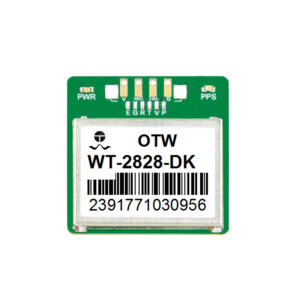
Most G-Mouse units have a built-in patch antenna inside. The top surface must face the sky directly for best results. Even a small tilt can reduce the number of visible satellites. This leads to a higher “DOP” value and poor precision.
Protecting the Module from Environmental Stress
Outdoor environments are very harsh for sensitive electronic parts. Temperature swings and humidity can cause internal corrosion over time.
-
Waterproofing Seals: 외부 케이싱에 작은 균열이 있는지 정기적으로 점검하십시오..
-
자외선 차단: 플라스틱 껍질이 햇빛에 부서지지 않도록 하세요..
-
열 관리: 모듈을 엔진 열이나 배기 가스 근처에 두지 마십시오..
-
진동 감쇠: 강한 충격으로부터 장치를 보호하려면 고무 마운트를 사용하십시오..
잘 보호된 내장 GPS G-Mouse 모듈은 훨씬 더 오래 지속됩니다.. 꾸준히 유지하고 있어요 “첫 번째 수정 시간” 악천후에도.
안정성을 위한 소프트웨어 및 펌웨어 유지 관리
하드웨어는 포지셔닝 방정식의 절반에 불과합니다.. 내부 펌웨어는 위치에 대한 복잡한 수학을 계산합니다..
정기 펌웨어 업데이트
제조업체는 종종 위성 추적 논리를 개선하기 위해 패치를 출시합니다.. 이러한 업데이트는 모듈이 신호를 훨씬 더 빠르게 고정하는 데 도움이 될 수 있습니다.. 뿐만 아니라, 윤초 변경과 관련된 버그를 수정하는 경우가 많습니다.. 항상 공식 공급업체의 최신 안정 버전을 사용하세요..
Managing A-GPS Data
Assisted GPS data helps the module find satellites almost instantly. Ensure your system refreshes this data periodically via the internet. 이는 방지합니다 “콜드 스타트” delays during critical operations in the field. It keeps your workflow moving without any annoying interruptions.
Cleaning and Physical Connection Checks
Dirty connectors are a common cause of mysterious signal drops. Dust and oxidation increase the electrical resistance in your cables.
-
Inspect USB/Serial Plugs: Look for green or brown corrosion on the pins.
-
Use Isopropyl Alcohol: Clean the contacts gently with a soft cotton swab.
-
Check Cable Integrity: Ensure the wires are not frayed or tightly bent.
-
Secure Mounting Screws: Tighten any loose bolts to prevent movement during travel.
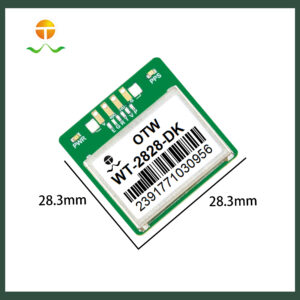
Clean connections ensure the embedded GPS G-Mouse module receives steady power. 또한 고속 직렬 통신 세션 중 데이터 손실을 방지합니다..
일반적인 정확도 문제 해결
| 문제 | 잠재적인 원인 | 즉각적인 해결책 |
| 하이 포지션 드리프트 | 다중 경로 간섭 | 높은 유리 건물에서 벗어나세요 |
| 신호 잠금 없음 | 안테나 막힘 | 위에 눈이나 두꺼운 진흙이 있는지 확인하세요. |
| 느린 데이터 속도 | 잘못된 전송 속도 | 통신 설정을 다음으로 재설정 9600+ |
| 일관성 없는 타이밍 | 전력 변동 | 조정된 5V 전원 공급 장치를 사용하십시오. |
| 약한 위성 수 | RF 간섭 | 근처의 고주파 전자 장치를 차폐하십시오. |
산업용 고급 교정
정밀 요구사항은 단순 트럭과 로봇에 따라 다릅니다.. 일부 사용자는 특정 작업에 대해 센티미터 수준의 정확도가 필요합니다..
차등 보정 사용
당신의 링크 내장형 G-Mouse 모듈 RTK 네트워크로. 이는 GPS 신호에 자연적으로 영향을 미치는 대기 오류를 수정합니다.. 표준 수신기를 고정밀 도구로 변환합니다.. 이는 자율 트랙터와 측량 드론에 필수적입니다..
신호 대 잡음비 모니터링 (SNR)
정기적으로 SNR 값에 대한 NMEA 데이터 문자열을 확인하세요.. 위의 값 35 일반적으로 매우 건강한 신호 잠금을 나타냅니다.. 가치가 떨어지면, 새로운 국지적 간섭원을 찾아라. 이러한 사전 예방적 모니터링을 통해 데이터 손상이 시작되기 전에 방지됩니다..
일관성이 탐색 성공을 촉진합니다
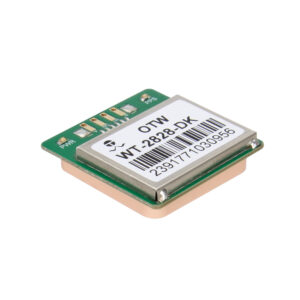
내장형 GPS G-Mouse 모듈을 유지 관리하는 것은 간단하지만 중요한 작업입니다.. 귀하의 위치 데이터가 신뢰할 수 있고 정확하게 유지되도록 보장합니다.. 요소로부터 하드웨어를 보호하고 소프트웨어를 최적화합니다.. 이러한 균형을 통해 수명이 훨씬 길고 생산적이게 됩니다..
일상생활의 작은 유지관리 단계를 무시하지 마세요. 포트 청소, 봉인을 확인하세요, 그리고 펌웨어 업데이트. 이러한 노력은 현장에서 중요한 탐색 순간에 성과를 거두었습니다.. 귀하의 시스템은 견고한 안정성과 정밀도로 보답할 것입니다.. 지금 바로 전문적인 유지보수 계획을 시작하여 차량을 순조롭게 유지하세요..