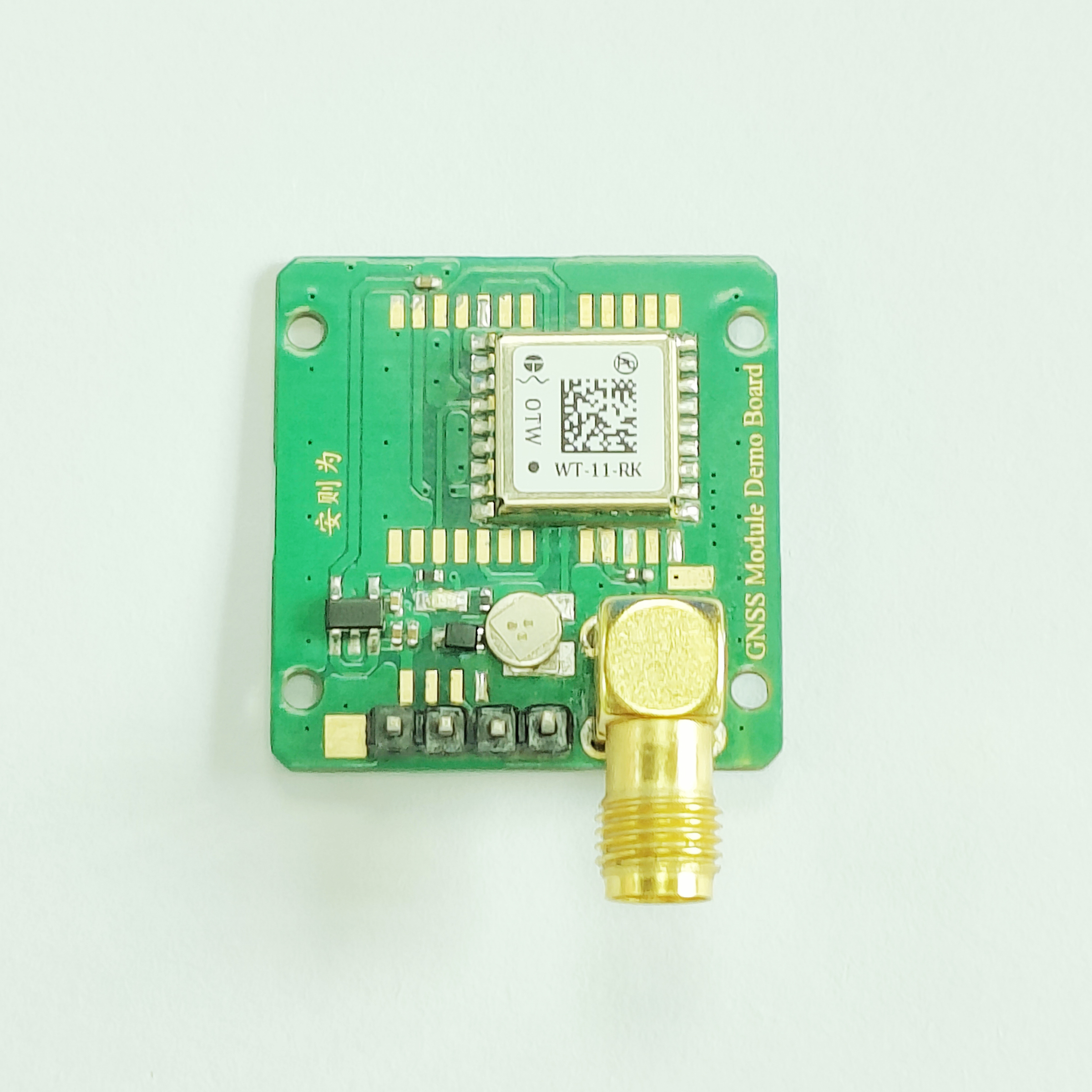
Les ingénieurs qui conçoivent des drones autonomes et des systèmes de conduite intelligents sont quotidiennement confrontés à des défis de navigation dynamiques. Sélection d'un optimal development board for complex motion scenarios determines overall system reliability. Modern navigation hardware must deliver fast acquisition speed and stable multi-band tracking. Heureusement, avancé dual frequency RTK module architectures handle high velocity movement and signal obstacles effectively. These modules also meet strict lead-free compliance and environmental standards. You can browse our catégorie de produit for specialized navigation hardware options.
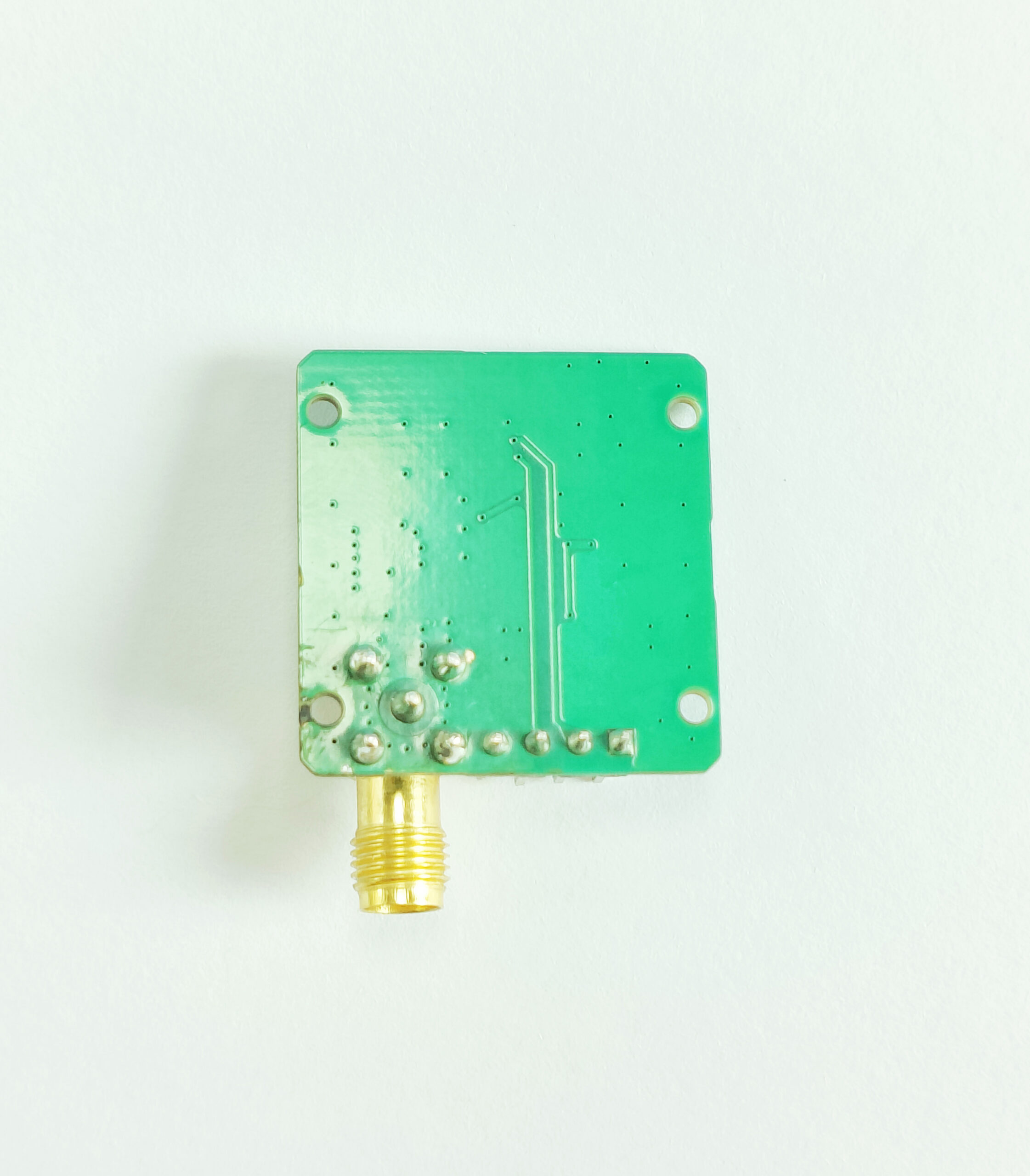
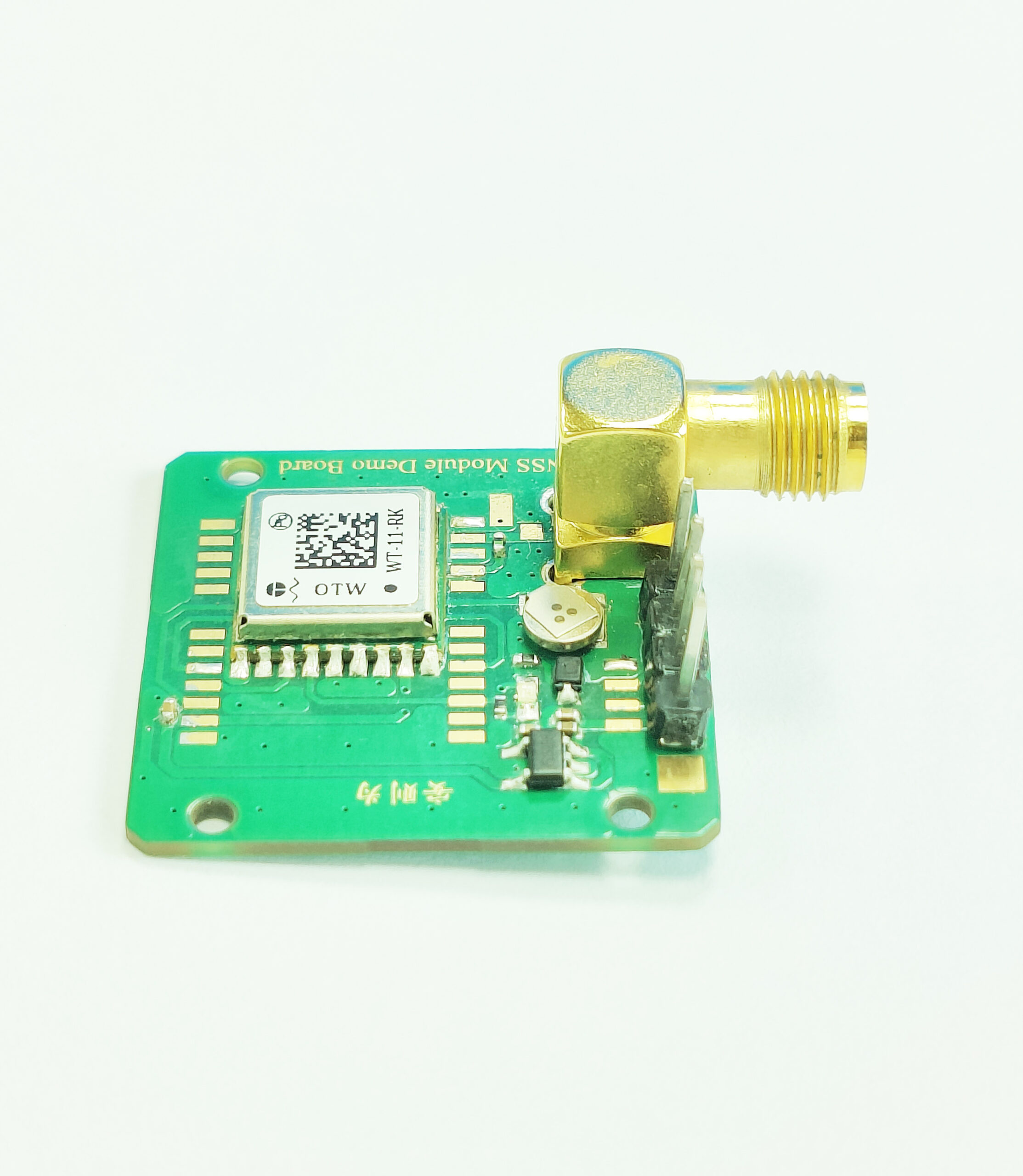
Pain Points in Complex Motion Navigation
Engineers frequently encounter technical obstacles when deploying navigation boards in dynamic environments:
Signal Loss in Urban Canyons and Dense Foliage
Tall buildings and thick tree canopy block satellite signals frequently during movement. Traditional single-frequency receivers struggle to maintain continuous positioning locks under severe multipath conditions.
Velocity Distortion During Rapid Acceleration
Fast-moving platforms like drones experience high Doppler shifts during sharp maneuvers. Standard boards often suffer tracking lag, causing position drift during quick acceleration changes.
High Power Draw and Spatial Constraints
Small unmanned aerial vehicles and wearable devices feature strict space and battery budgets. Bulky positioning boards drain power fast, limiting overall operational flight duration.
Intermittent Time Synchronization Errors
Cellular base stations and IoT gateways require exact UTC time alignment constantly. Weak signal environments disrupt timing accuracy, causing data packet collisions across networks.
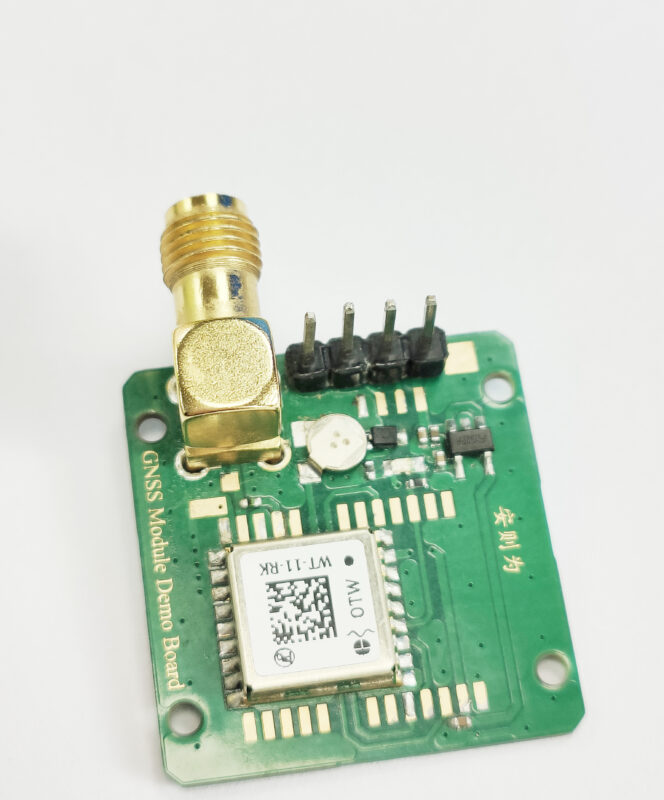
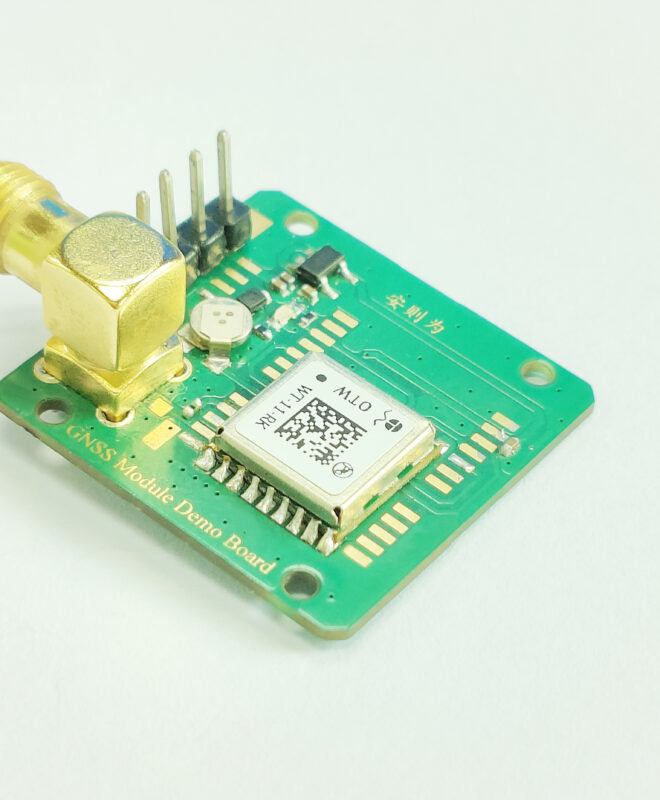
Technical Solution: The WTB-2526-11-RK Module
The WTB-2526-11-RK development board solves complex navigation challenges through robust engineering:
Multi-Constellation Dual-Frequency Tracking
The module supports BDS B1I/B2a/B1C, GPSL1C/A/L5, GAL E1/E5a, and GLONASS L1 signals. Four-system dual-frequency reception ensures stable tracking even in partially obstructed environments.
Integrated Dual-Frequency RTK Algorithm
The built-in RTK algorithm processes dual-band data directly on the chip. This architecture calculates real-time kinematic coordinates rapidly during dynamic complex motion scenarios.
Compact 1010 LCC Package with Low Power Draw
Measuring just 9.7mm x 10.1mm x 2.4mm, the 18-PIN LCC form factor saves board space. Optimized low-power circuitry extends operational battery life for mobile IoT applications.
Industry-Standard Pin Compatibility
The PIN-to-PIN compatible design simplifies hardware upgrades across existing base station platforms. Engineers integrate this compact module easily without altering primary PCB layout schemes. You can review our technical guide for full integration guidelines.
Module Specifications and Application Boundaries
| Fonctionnalité / Paramètre | WTB-2526-11-RK RTK Module | Module standard monofréquence |
| Prise en charge des constellations | Bds, GPS, Galileo, Glonass | GPS and BDS Single Band |
| Bandes de fréquences | Double fréquence (L1/L5, B1/B2a, IV / E5A) | Single-Frequency (L1 / B1) |
| RTK Processing | Embedded Dual-Frequency RTK | External Processing Required |
| Package Dimensions | 9.7mm x 10.1mm x 2.4mm (1010 LCC) | 12.0mm x 16.0mm x 2.4mm Standard |
| Consommation d'énergie | Ultra-Low Power Consumption Profile | Moderate Power Requirements |
| Primary Application Boundary | Dynamic Drones, Smart Driving, Base Stations | Static Tracking and Slow Pedestrian IoT |
Foire aux questions
What makes a development board suitable for complex motion scenarios?
Dual-frequency tracking and onboard RTK algorithms handle rapid signal changes effectively. Multi-constellation support maintains continuous positioning locks despite physical signal obstructions.
How does the WTB-2526-11-RK perform in dense urban environments?
Receiving four constellation systems simultaneously mitigates multipath interference effectively. Dual-frequency processing resolves signal reflections rapidly, ensuring stable tracking performance.
Can this compact module fit into small drone and wearable designs?
Oui, the 9.7mm x 10.1mm LCC package fits tiny circuit boards easily. Low power draw makes it ideal for battery-powered UAVs and shared mobility devices.