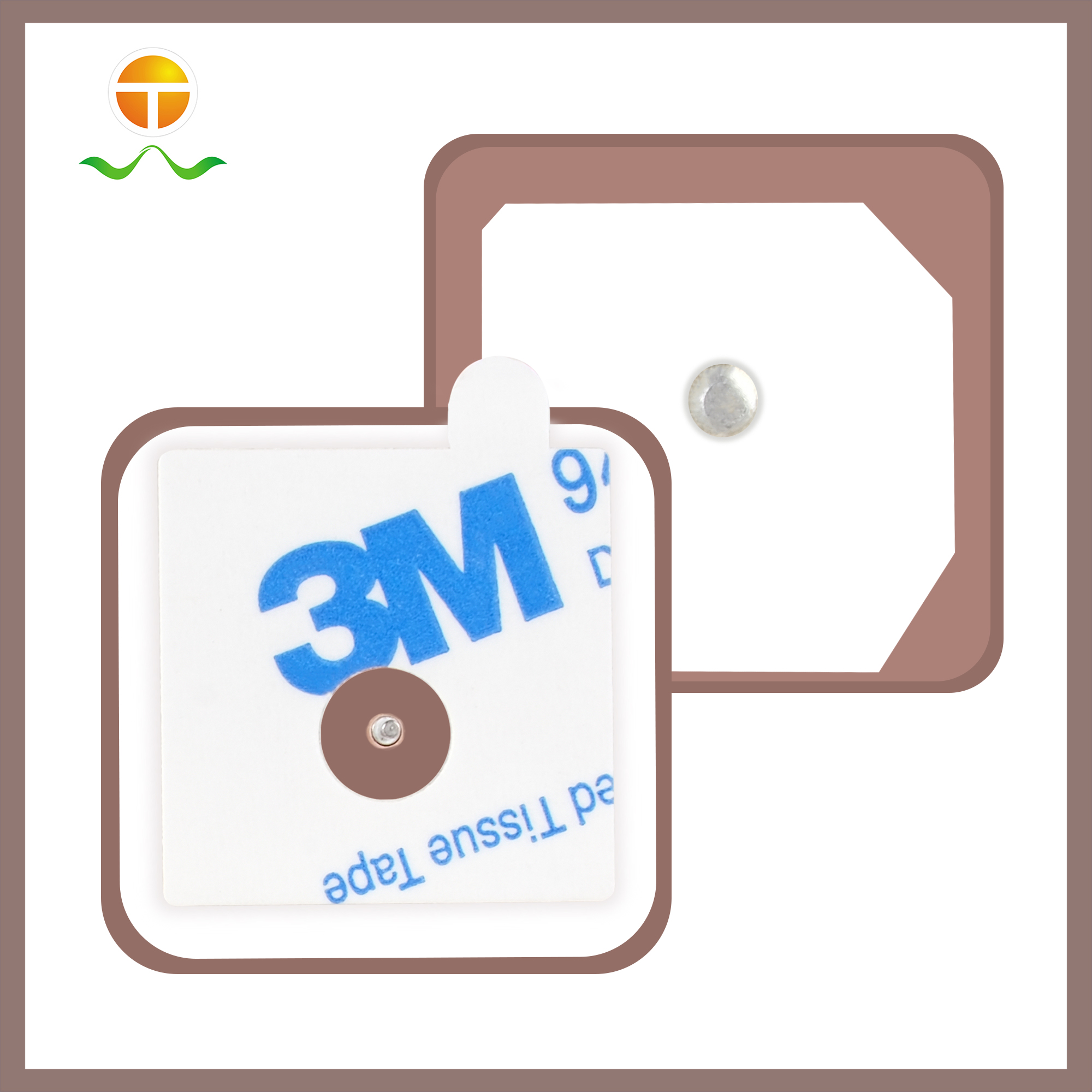
HF-Designingenieure haben Schwierigkeiten, Navigationshardware unter realistischen Feldbedingungen in Labortesteinrichtungen zu validieren. Live sky satellite testing remains unpredictable due to weather changes, ionospheric interference, and signal blockage. Außerdem, outdoor drive testing increases R&D costs and delays product development cycles significantly. Glücklicherweise, adopting a reliable GNSS signal simulator module setup resolves these complex positioning validation challenges effortlessly. Controlled signal simulation environments deliver repeatable satellite RF signals for precise receiver sensitivity bench testing.
This high-precision testing component guarantees bleifreie Compliance (RoHS-Standards) for safe electronic hardware manufacturing globally. Außerdem, multi-constellation signal simulation tests positioning receivers across diverse operational frequency bands effectively. Folglich, engineering teams accelerate time-to-market while cutting field testing expenses dramatically today. Entdecken Sie unser Komplettangebot Produktkategorie inventory to upgrade your wireless testing equipment now.
4 Receiver Validation Pain Points Solved by GNSS Signal Simulators
Hardware developers and quality assurance teams encounter severe testing obstacles when relying exclusively on live satellite signals. Real-world outdoor RF signals vary constantly and prevent reliable side-by-side performance benchmarking across prototype revisions. Systems engineers regularly identify four primary receiver testing failure scenarios daily.
Inconsistent Satellite Signals Halting Laboratory Bench Validation
Live sky satellite signals fluctuate constantly due to atmospheric conditions and changing satellite orbital positions overhead. Engineers cannot recreate identical signal conditions to compare rival GNSS receiver sensitivity measurements accurately. Folglich, quality assurance teams struggle to isolate subtle hardware RF gain bugs during prototype reviews. Controlled signal simulation modules generate precise, repeatable RF signals to streamline bench validation routines.
High Operational Expenses and Delays From Outdoor Drive Testing
Field testing requiring vehicle fleets and field technicians generates massive labor and fuel expenses during development. Außerdem, bad weather and unpredictable city traffic interrupt scheduled drive tests and create project delays. Infolge, product launching schedules slip while engineering budgets overflow unexpectedly during testing phases. Desktop signal simulation eliminates costly field trials by replicating complex driving routes inside laboratories.
Inability to Simulate Multipath Interference and Dense Urban Canyons
Replicating severe urban signal multipath conditions in physical locations proves nearly impossible during early software tuning. Testing receivers against physical signal reflections requires traveling to distant downtown locations with tall glass skyscrapers. daher, developers miss critical multipath positioning bugs before mass-producing smart home and IoT devices. Advanced simulator hardware introduces controlled signal reflections and atmospheric attenuation parameters on demand.
Poor Thermal Resistance Degrading Compact IoT Receiver Performance
Compact electronic devices generate high internal heat during continuous high-power wireless data transmission operations. Low-grade internal receiving antennas shift resonant frequencies under high thermal stress and lose satellite lock completely. Daher, smart smoke sensors and digital devices suffer unexpected signal loss during hot operating cycles. Heat-resistant ceramic receiving modules preserve stable resonant frequency tuning across wide thermal ranges.
Technische Lösungen: WT-A-18182 Receiving Module Architecture
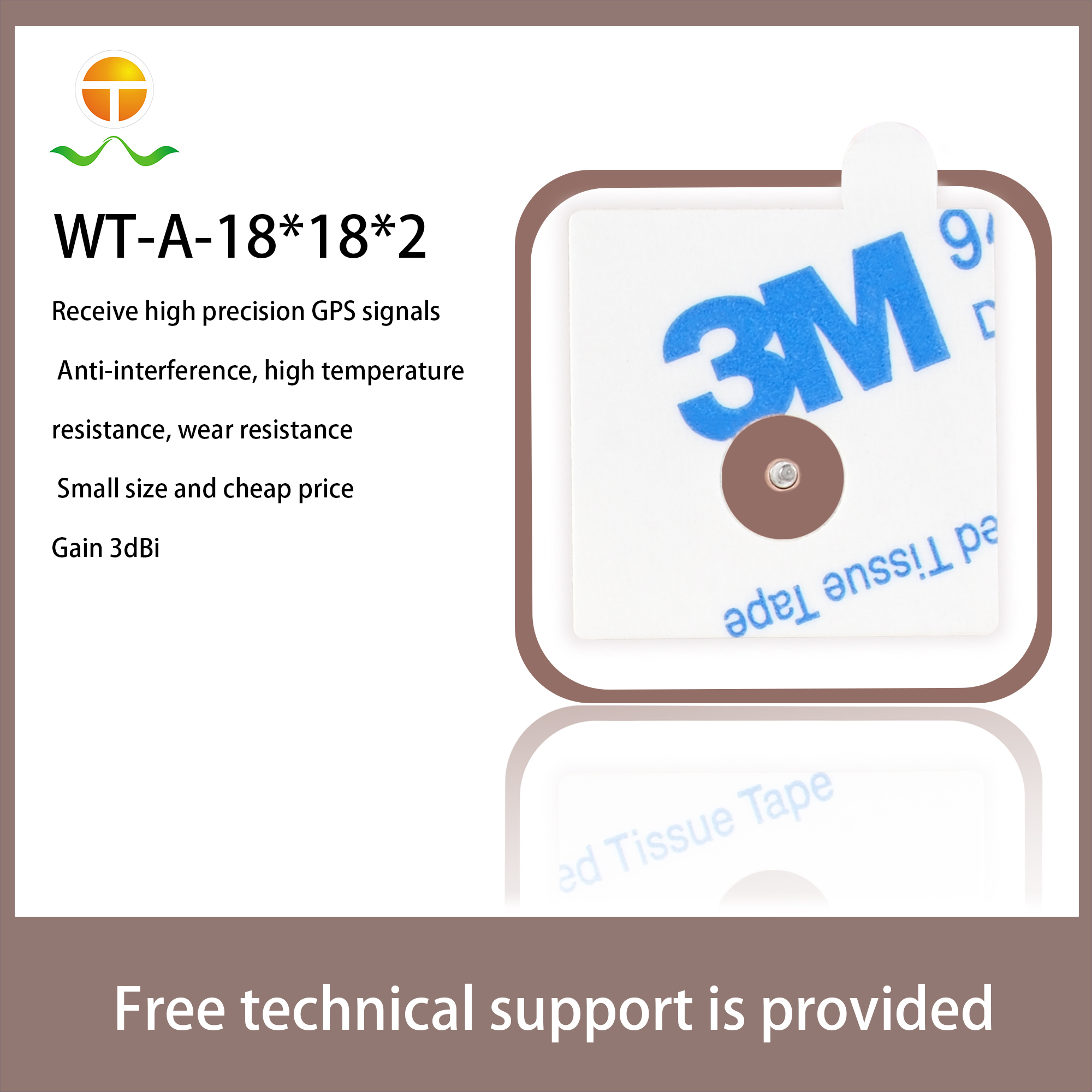
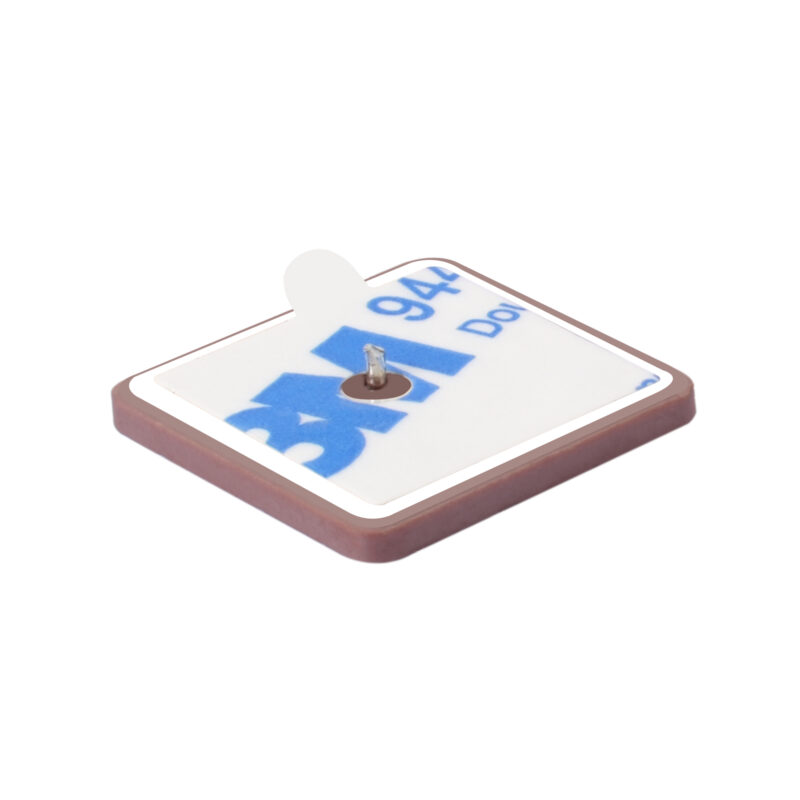
The WT-A-18182 series active antenna module delivers exceptional signal reception for testing and deploying high-precision positioning systems. It combines ultrathin ceramic patch dimensions with superior anti-interference capabilities seamlessly.
Kompakt $18 \times 18 \times 2\text{ mm}$ Ultrathin Form Factor
Measuring just $18\text{ mm} \times 18\text{ mm} \times 2\text{ mm}$, this lightweight ceramic receiving element fits inside tiny electronic digital assemblies easily. Its ultra-slim profile enables seamless integration into space-constrained smart home devices, smoke sensors, and asset trackers. Außerdem, straightforward surface mounting simplifies automated factory production lines significantly. Schauen Sie sich unsere detaillierten Informationen an Technischer Leitfaden on configuring RF receiving modules for high-precision GNSS signal simulation testing setups.
Multi-Constellation GPS and Beidou Signal Reception
Engineered to capture high-precision GPS and Beidou satellite signals, this antenna element maximizes positioning accuracy across global networks. High-quality ceramic patch materials deliver exceptional signal sensitivity while rejecting surrounding out-of-band electronic noise effectively. Folglich, connected receiver modules calculate accurate location fixes rapidly even under weak signal simulation scenarios.
Industrial Thermal Resistance and Robust Anti-Interference
Built using premium wear-resistant materials, the WT-A-18182 module withstands extreme operational temperatures without degrading signal reception. Advanced shielding features protect delicate receiving circuits from nearby cellular, Wi-Fi, and Bluetooth transmitter interference. Zusätzlich, its affordable price point allows manufacturers to deploy high-precision positioning across cost-sensitive consumer products easily.
Produktspezifikationen & Testing Parameter Comparison
The table below compares the WT-A-18182 Active Receiving Module against standard passive receiving components.
| Parameter / Besonderheit | WT-A-18182 Active Receiving Module | Standard Passive Patch Component |
| Physical Dimensions | Ultrathin $18\text{ mm} \times 18\text{ mm} \times 2\text{ mm}$ Form | Bulky $25\text{ mm} \times 25\text{ mm} \times 8\text{ mm}$ Patch |
| Constellation Support | GPS + Beidou Dual Positioning Bands | Single GPS L1 Band Reception Only |
| Interference Defense | Active Anti-Interference Noise Shielding | Unshielded Element (Absorbs Circuit Noise) |
| Thermal Resistance | High Temperature Resistant Ceramic | Standard Low-Temperature Plastic Substrate |
| Wear & Haltbarkeit | Robust Wear-Resistant Material Build | Fragile Exterior (Prone to Vibration Damage) |
| Installation Design | Leicht & Simple Compact Integration | Rigid Mount (Requires Extra Board Space) |
| Safety Standard | Bleifreie Compliance (RoHS-zertifiziert) | Uncertified Electronic Component |
| Kosteneffizienz | Low Cost for Mass IoT Production | High Manufacturing Cost Per Unit |
Essential Advantages for Reliable RF Signal Testing
Consider these major engineering benefits when upgrading your navigation testing setup and receiver hardware today.
-
Repeatable Testing Environment: Signal simulation delivers identical RF signals for accurate receiver sensitivity benchmarking.
-
Kompakter Hardware-Footprint: The ultrathin $18 \times 18 \times 2\text{ mm}$ size enables easy placement inside compact smart home designs.
-
Robust Noise Suppression: Advanced anti-interference shielding blocks unwanted RF noise during high-power wireless transmissions.
-
Thermal Operating Stability: High-temperature ceramic construction maintains precise frequency tuning under intense heat conditions.
Upgrade your navigation hardware development and simplify your laboratory testing routines today! Stöbern Sie in unserem breiten Angebot Produktkategorie selection to order your active GNSS modules now.