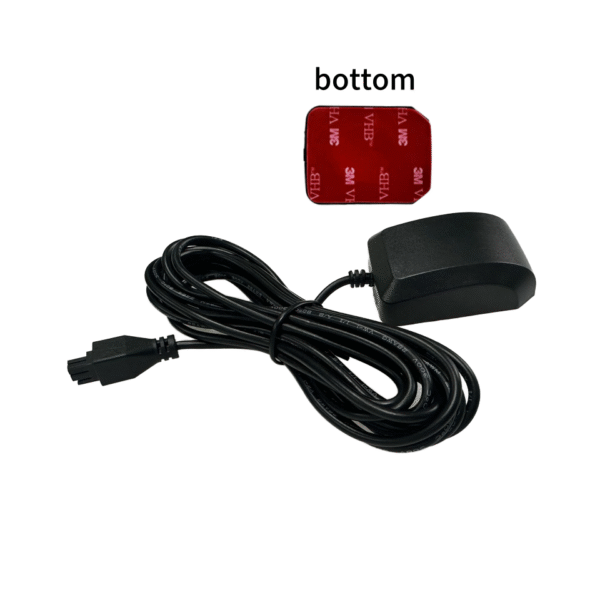
การใช้ G-Mouse ระบบนำทางยานพาหนะประสิทธิภาพสูงช่วยแก้ไขความล้มเหลวในการติดตามตำแหน่งของยานพาหนะอย่างต่อเนื่องสำหรับผู้ให้บริการโลจิสติกส์สมัยใหม่. การอัพเกรดฮาร์ดแวร์การติดตามแบบมืออาชีพนี้รับประกันความแม่นยำของตำแหน่งย่อยเมตรในขณะที่ลดต้นทุนการสื่อสารในการจัดส่งยานพาหนะอย่างมีนัยสำคัญ.
หน่วยรับสัญญาณแดชบอร์ดภายในแบบเดิมๆ มักประสบปัญหาสัญญาณตกอย่างรุนแรงระหว่างการเคลื่อนย้ายในเมือง. ในทางกลับกัน, โมดูลสไตล์เด็กซนภายนอกรักษาการเชื่อมต่อที่มั่นคงกับอาร์เรย์ดาวเทียมทั่วโลกหลายตัวพร้อมกัน.
นอกจากนี้, ความเสถียรในการติดตามอย่างต่อเนื่องนี้ช่วยให้ผู้จัดการกลุ่มยานพาหนะสามารถปรับปรุงการคาดการณ์การมาถึงของสินทรัพย์ได้อย่างมั่นใจ. ในที่สุด, รากฐานฮาร์ดแวร์ที่เชื่อถือได้นี้ช่วยปกป้องงบประมาณการดำเนินงานของคุณและปรับปรุงคะแนนการบริการลูกค้าในระยะยาว. ตอนนี้, ให้เราตรวจสอบว่าทำไมชิปนำทางภายในมาตรฐานมักจะล้มเหลวกับทีมเทเลเมติกส์เชิงพาณิชย์.
คอขวดสัญญาณ: เหตุใดฮาร์ดแวร์ GPS ภายในมาตรฐานจึงล้มเหลวในกองเรือเชิงพาณิชย์
ผู้อำนวยการจัดส่งยานพาหนะที่มีประสบการณ์ทุกคนเข้าใจดีถึงความยุ่งยากอย่างยิ่งในการดูแดชบอร์ดแผนที่ว่างเปล่า. จุดบอดในการติดตามที่มีค่าใช้จ่ายสูงนี้มักเกิดขึ้นเนื่องจากระบบนำทางมาตรฐานจากโรงงานฝังลึกอยู่ในแผงหน้าปัดรถยนต์ที่เป็นโลหะ.
องค์ประกอบกระจกหน้ารถโลหะและหุบเขาลึกในเมืองปิดกั้นสัญญาณดาวเทียมได้อย่างไร
กระจกบังลมรถยนต์เพื่อการพาณิชย์สมัยใหม่มักมีการเคลือบโลหะกันความร้อนแบบพิเศษเพื่อลดความร้อนภายในห้องโดยสาร. น่าเสียดาย, ชั้นโลหะขนาดเล็กเหล่านี้ทำหน้าที่เป็นเกราะป้องกันวิทยุ, คลื่นดาวเทียมโทรมาตรที่เข้ามาอ่อนตัวลง.
เพราะเหตุนี้, อุปกรณ์ติดตามภายในของคุณขาดการเชื่อมต่อบ่อยครั้งเมื่อยานพาหนะขับใต้สะพานลอยคอนกรีตหนาแน่น. การขาดสัญญาณที่น่าหงุดหงิดนี้ทำให้ทีมโลจิสติกส์ของคุณตาบอดโดยสิ้นเชิง, ชะลอการอัปเดตเส้นทางฉุกเฉินระหว่างการดำเนินการจัดส่งที่มีงานยุ่ง.
เหตุใดกล่องติดตามพลาสติกที่เปราะบางจึงไม่สามารถอยู่รอดจากสภาพอากาศภายนอกที่ยากลำบากได้
เซ็นเซอร์ติดตามภายนอกราคาประหยัดจำนวนมากมีตะเข็บพลาสติกอ่อนซึ่งจะแตกเมื่อรับของหนัก, แสงแดดอย่างต่อเนื่อง. เมื่อถึงฤดูฝน, ความชื้นจากถนนซึมเข้าไปในตัวเครื่อง, การลัดวงจรของวงจรภายในที่ละเอียดอ่อน.
ส่งผลให้, บริษัทของคุณเผชิญกับวงจรการเปลี่ยนฮาร์ดแวร์ที่มีราคาแพงและการหยุดทำงานของยานพาหนะที่เจ็บปวดทั่วทั้งเครือข่ายการกระจายสินค้าของคุณ. ดังนั้น, ร่วมมือกับผู้เชี่ยวชาญด้านฮาร์ดแวร์ที่มีประสบการณ์เพื่อความปลอดภัย เครื่องรับ GNSS หลายระบบ ยังคงจำเป็นอย่างยิ่ง.
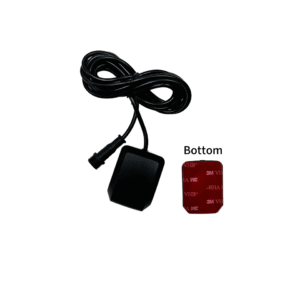
แกนทางเทคนิค: การแยกโครงสร้างสถาปัตยกรรมการออกแบบของโมดูล G-Mouse สมัยใหม่
เพื่อพิชิตอุปสรรคสัญญาณในเมืองที่ยากลำบาก, วิศวกรด้านความถี่วิทยุได้ออกแบบรูปทรงเครื่องรับติดตามแบบคลาสสิกใหม่ทั้งหมด. อุปกรณ์เด็กซนอัจฉริยะสมัยใหม่ผสมผสานแพทช์การรับสัญญาณที่มีอัตราขยายสูงเข้ากับตัวเรือนที่ทนทานต่อสภาพอากาศ เพื่อเพิ่มประสิทธิภาพการติดตามยานพาหนะในระยะยาว.
การรวมโมดูลการกำหนดตำแหน่งภายนอกเข้ากับเสาอากาศรับสัญญาณกำลังสูง
ฮาร์ดแวร์การติดตามระดับ Elite ผสานเครื่องยนต์โปรเซสเซอร์หลักเข้ากับองค์ประกอบเสาอากาศโดยตรงให้เป็นตัวเครื่องขนาดกะทัดรัดเพียงอันเดียว. โดยการวางโมดูลระบุตำแหน่งภายนอกและลูกยางแบบรวมเสาอากาศไว้บนหลังคารถโดยตรง, คุณกำจัดการสูญเสียพลังงานของสายเคเบิลสัญญาณ.
เพราะเหตุนี้, เครื่องรับจับสัญญาณดาวเทียมที่สะอาดโดยไม่ต้องเผชิญกับการรบกวนจากระบบอิเล็กทรอนิกส์ภายในเครื่องยนต์ที่มีเสียงดัง. หน้าจอการจัดส่งของคุณอัปเดตอย่างราบรื่นทุกวินาที, ให้ข้อมูลการติดตามที่สมบูรณ์แบบสำหรับรถตู้ส่งของในเมืองที่สำคัญของคุณ.
พลังทางเทคนิคที่เด็ดขาดของระบบมัลติแบนด์ที่ทนทานต่อสภาพอากาศ
การขนส่งเชิงพาณิชย์จำเป็นต้องมีการออกแบบฮาร์ดแวร์ที่ทนทานซึ่งทำงานอย่างสม่ำเสมอบนเส้นทางทางหลวงที่ขรุขระหลายพันไมล์:
-
ซีลกันน้ำแบบยืดหยุ่น: โดดเด่นด้วยการออกแบบที่ยืดหยุ่นและทนทานพร้อมฟังก์ชันกันน้ำเพื่อให้โปรเซสเซอร์ภายในแห้งสนิท.
-
การติดตามหลายระบบ: รองรับการวางตำแหน่งข้อต่อหลายระบบ BDS/GPS/GLONASS และการวางตำแหน่งอิสระระบบเดียวได้อย่างราบรื่น.
-
ความไวแสงสูงเป็นพิเศษ: จับสัญญาณดาวเทียมที่จางได้อย่างรวดเร็วแม้ในขณะขับรถผ่านป่าบนภูเขาที่หนาแน่น.
-
การใช้พลังงานต่ำ: ระบายพลังงานแบตเตอรี่ให้เหลือน้อยที่สุดจากระบบไฟฟ้าของยานพาหนะในช่วงวันหยุดยาว.
เมทริกซ์ประสิทธิภาพ: ชิปแดชบอร์ดภายในเทียบกับ. ระบบนำทางรถยนต์ G-Mouse
| ตัวชี้วัดประสิทธิภาพเทเลเมติกส์ | ชิปแดชบอร์ดภายในมาตรฐาน | G-Mouse ระบบนำทางรถยนต์ระดับพรีเมียม |
| การเชื่อมต่ออาร์เรย์ดาวเทียม | ระบบเดียว (เชื่อมต่อกับ GPS มาตรฐานเท่านั้น) | หลาย GNSS (ติดตาม GPS, BDS, และโกลนาส) |
| การป้องกันสิ่งกีดขวางสัญญาณ | อ่อนแอ (โช้คหลังแผงกระจกเคลือบ) | แน่นอน (นั่งบนพื้นผิวหลังคาโดยตรง) |
| ความเร็วการติดตั้ง | แข็ง (จำเป็นต้องรื้อแผงหน้าปัด) | ติดตั้งอย่างรวดเร็ว (ติดตั้งภายนอกภายในไม่กี่วินาที) |
| การป้องกันสิ่งแวดล้อม | ไม่มี (ต้องใช้อากาศภายในห้องโดยสารที่สะอาด) | IP67 เกรดมารีน (ทนต่อน้ำและน้ำแข็ง) |
| โปรไฟล์ประสิทธิภาพพลังงาน | ตัวแปร (ร้อนขึ้นระหว่างการคำนวณอย่างหนัก) | ปรับให้เหมาะสม (ทำงานได้อย่างเย็นสบายด้วยการดึงพลังงานต่ำ) |
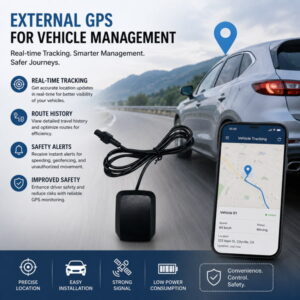
ผลประโยชน์กองเรือเชิงกลยุทธ์: แบ่งค่าใช้จ่ายเชื้อเพลิงและเพิ่มประสิทธิภาพเส้นทางให้สูงสุด
บูรณาการที่มีประสิทธิภาพสูง เสาอากาศติดตามยานพาหนะกันน้ำ ระบบเข้าสู่เครือข่ายการขนส่งของคุณให้ผลตอบแทนทางการเงินทันที. การอัพเกรดฮาร์ดแวร์นี้แปลงช้า, การดำเนินงานด้านลอจิสติกส์ที่คาดเดาไม่ได้ไปสู่การซิงโครไนซ์สูง, ไปป์ไลน์การจัดการการจัดส่งอัตโนมัติ.
ลดการสูญเสียเชื้อเพลิงของยานพาหนะด้วยการเพิ่มประสิทธิภาพเส้นทางแบบเรียลไทม์ที่แม่นยำ
เมื่อผู้ขับขี่หลงทางเนื่องจากหน้าจอนำทางล่าช้า, พวกเขาสิ้นเปลืองเชื้อเพลิงในการขับรถเป็นระยะทางที่ไม่จำเป็น. เพราะ G-Mouse ขั้นสูงของเราอัพเดทตำแหน่งทันที, ซอฟต์แวร์กำหนดเส้นทางของคุณจะแก้ไขข้อผิดพลาดของไดรเวอร์ก่อนที่จะเปลืองเชื้อเพลิง.
ระยะการใช้เชื้อเพลิงของกลุ่มยานพาหนะของคุณดีขึ้นทันที, ลดค่าใช้จ่ายในการดำเนินงานขนส่งองค์กรรายสัปดาห์ทั่วประเทศ. การลดระยะทางง่ายๆ นี้จะเพิ่มขึ้นอย่างรวดเร็ว, ขยายอัตรากำไรสุทธิขององค์กรของคุณอย่างมีนัยสำคัญตลอดปีงบประมาณ.
ลดค่าใช้จ่ายในการสนับสนุนภาคสนามผ่านไปป์ไลน์การปรับใช้ฮาร์ดแวร์ที่เรียบง่ายเป็นพิเศษ
การติดตั้งการติดตามที่ซับซ้อนทำให้โรงซ่อมรถต้องจอดรถบรรทุกเป็นเวลาเต็มวัน, ระบายความสามารถในการขนส่งอันมีค่า. โชคดี, โมดูลกำหนดตำแหน่งภายนอกขนาดกะทัดรัดนี้ติดตั้งง่ายอย่างเหลือเชื่อกับกลุ่มยานพาหนะเพื่อการพาณิชย์แบบผสม.
ช่างเครื่องของคุณยึดแม่เหล็กเข้ากับหลังคารถและกำหนดเส้นทาง USB เส้นเดียวหรือสายอนุกรมอย่างรวดเร็ว. กระบวนการตั้งค่าที่ไม่ยุ่งยากนี้ช่วยลดเวลาหยุดทำงานของการติดตั้งยานพาหนะให้เหลือน้อยที่สุด, ช่วยให้รถบรรทุกของคุณกลับเข้าสู่เส้นทางสร้างรายได้ได้เร็วขึ้น.
พิมพ์เขียวการติดตั้ง: การตั้งค่า G-Mouse ของคุณเพื่อระยะการมองเห็นสูงสุด
การบรรลุความแม่นยำในการติดตามมิเตอร์ย่อยจำเป็นต้องวางตำแหน่งเซ็นเซอร์ภายนอกของคุณตามหลักการความถี่วิทยุที่เหมาะสม. ตรวจสอบให้แน่ใจว่าทีมติดตั้งโรงรถของคุณดำเนินการตามขั้นตอนการติดตั้งฮาร์ดแวร์ที่จำเป็นเหล่านี้ในระหว่างการเปิดตัวรถใหม่ทุกครั้ง.
-
เลือกจุดหลังคาที่สูงที่สุด: วางเด็กซนบนพื้นผิวโลหะแบนให้ห่างจากแร็คหลังคาขนาดใหญ่.
-
รักษาทัศนียภาพของท้องฟ้าที่แจ่มใส: หลีกเลี่ยงการซ่อนเซ็นเซอร์ของอุปกรณ์ไว้ใต้แผงบังลมพลาสติกที่ยื่นออกมาอย่างหนัก.
-
เดินสายเคเบิลอย่างปลอดภัย: เดินสายข้อมูลผ่านซีลประตูที่มีแถบกันฝนเพื่อป้องกันความชื้นรั่วไหลเข้าสู่ห้องโดยสาร.
-
รักษาความปลอดภัยพอร์ตข้อมูล: เชื่อมต่อปลั๊กอินเทอร์เฟซเข้ากับกล่องเทเลเมติกส์ฟลีทภายในของคุณให้แน่น.
การปฏิบัติตามลำดับเวิร์กช็อปง่ายๆ นี้จะช่วยป้องกันการอุดตันของการสะท้อนของสัญญาณ, ตรวจสอบให้แน่ใจว่าอุปกรณ์ของคุณติดตามช่องสัญญาณดาวเทียมสูงสุดอย่างต่อเนื่อง. สร้างรากฐานฮาร์ดแวร์ในอุดมคติที่ช่วยให้ระบบจัดส่งอัตโนมัติของคุณทำงานได้โดยไม่มีข้อมูลตก.
คำถามที่พบบ่อย:
การระบุตำแหน่งข้อต่อแบบหลายระบบมีประโยชน์เฉพาะเจาะจงมากกว่าการติดตามด้วย GPS เดี่ยวอย่างไร?
การตั้งค่า GPS เดี่ยวต้องดิ้นรนเพื่อหาดาวเทียมติดตามที่เพียงพอเมื่อขับรถผ่านบริเวณตึกระฟ้าที่หนาแน่นในตัวเมือง. สนับสนุน BDS, จีพีเอส, และ GLONASS ช่วยให้ G-Mouse นำทางในรถยนต์ของคุณสามารถเข้าถึงดาวเทียมที่ใช้งานพิเศษหลายสิบดวงได้พร้อมกัน. ความครอบคลุมขนาดใหญ่นี้ทำให้มั่นใจได้ว่าการติดตามของคุณยังคงทำงานอยู่, ให้พิกัดเส้นทางที่เชื่อถือได้แม้ในสภาพแวดล้อมในเมืองที่ท้าทาย.
โปรไฟล์การใช้พลังงานต่ำช่วยปกป้องแบตเตอรี่รถยนต์ที่จอดไว้อย่างไร?
ระบบติดตามหลายระบบจะทำให้เซลล์แบตเตอรี่ของยานพาหนะหมดลงหากรถบรรทุกจอดอยู่ที่อาคารผู้โดยสารในช่วงสุดสัปดาห์. โมดูลขั้นสูงของเรามีความไวสูงเป็นพิเศษ, ประสิทธิภาพสูง, สถาปัตยกรรมการใช้พลังงานต่ำเพื่อแก้ปัญหาทางไฟฟ้านี้. มันดึงกระแสน้อยที่สุดในขณะที่ติดตาม, ช่วยให้รถขนส่งของคุณสตาร์ทติดง่ายหลังหยุดยาว.
โมดูลติดตามแบบกันน้ำนี้สามารถทนต่อการล้างรถบรรทุกเพื่อการพาณิชย์ด้วยแรงดันสูงได้หรือไม่?
ใช่, ตัวเครื่องภายนอกที่ทนทานมีการออกแบบที่ยืดหยุ่นเป็นพิเศษพร้อมฟังก์ชันกันน้ำเพื่อรับมือกับความเครียดจากสิ่งแวดล้อมที่รุนแรง. แผงกั้นที่ปิดสนิทนี้จะปิดกั้นกระแสน้ำร้อนแรงดันสูงและสารเคมีทำความสะอาดที่รุนแรงระหว่างการล้างเพื่อบำรุงรักษายานพาหนะตามปกติ. ฮาร์ดแวร์การติดตามของคุณจะแห้งสนิทภายใน, ทำให้ไม่ต้องถอดเซนเซอร์ก่อนล้างรถ.
เหตุใดผู้จัดการฝ่ายโลจิสติกส์จึงชอบเสาอากาศแบบรวมมากกว่าส่วนประกอบที่แยกจากกัน?
การออกแบบการติดตามแบบเก่าเชื่อมต่อเสาอากาศแยกกับกล่องรับสัญญาณภายในโดยใช้ความหนา, สายโคแอกเชียลคุณภาพต่ำ. การต่อสายเคเบิลยาวเหล่านี้ทำให้เกิดการสูญเสียพลังงานสัญญาณอย่างรุนแรง, ทำให้ติดตามยานพาหนะใต้ต้นไม้หนาทึบได้ยาก. การรวมโมดูลการกำหนดตำแหน่งภายนอกและเสาอากาศเข้าด้วยกันเป็นชิ้นเดียวช่วยรักษาความแรงของสัญญาณสูงสุดเพื่อการแก้ไขที่รวดเร็ว.
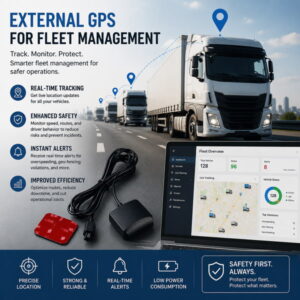
พิสูจน์การดำเนินงานด้านยานพาหนะของคุณในอนาคตด้วยการติดตามที่แม่นยำ
การใช้ชิปแดชบอร์ดภายในที่อ่อนแอทำให้ธุรกิจโลจิสติกส์ของคุณมีความเสี่ยงสูงต่อความล่าช้าในการจัดส่งและการติดตามจุดบอด. คุณไม่สามารถรักษาไทม์ไลน์ของห่วงโซ่อุปทานที่แข่งขันได้ หากผู้จัดส่งของคุณมองข้ามรถบรรทุกขนส่งสินค้าที่กำลังเคลื่อนที่อยู่ตลอดเวลา. การอัพเกรดโครงสร้างพื้นฐานเทเลเมติกส์ของกลุ่มยานพาหนะของคุณให้มีโมดูล GPS ของยานพาหนะความไวสูงขั้นสูงจะเปลี่ยนความสามารถในการปฏิบัติงานของคุณโดยสิ้นเชิง. การลงทุนด้านเทคโนโลยีอัจฉริยะนี้จะสร้างความสมดุลให้กับการติดตามดาวเทียมหลายระบบด้วยฟิสิกส์กันน้ำที่แข็งแกร่ง เพื่อปกป้องสตรีมข้อมูลของคุณจากการรบกวนในเมือง.
หยุดปล่อยให้สัญญาณตกและการติดตั้งฮาร์ดแวร์ที่ซับซ้อนทำให้เป้าหมายการจัดการกลุ่มยานพาหนะของคุณในปีธุรกิจนี้ล่าช้า. ลงทุนในการพิสูจน์ภาคสนาม, องค์ประกอบการติดตามการบำรุงรักษาต่ำที่เพิ่มการมองเห็นเส้นทางของคุณให้สูงสุดและส่งมอบการอัปเดตตำแหน่งที่เก่าแก่. ผู้มอบหมายงานของคุณจะชื่นชอบความถูกต้องของแผนที่แบบเรียลไทม์, และทีมการเงินของคุณจะชอบค่าใช้จ่ายเชื้อเพลิงที่ลดลง. ปรับปรุงกลยุทธ์ด้านอุปกรณ์การขนส่งของคุณให้ทันสมัยตั้งแต่วันนี้เพื่อรักษาความแม่นยำในการติดตามทั่วทั้งเครือข่ายรถยนต์เพื่อการพาณิชย์ของคุณ.