에이 이중 주파수 GNSS 모듈 helps meet the positioning needs of different industries. By combining dual-frequency reception with multiple satellite systems, it supports a range of location-based applications. 하지만, each device has unique requirements for size, signal reception, and integration. Custom GNSS module development helps align hardware design with these practical needs. For manufacturers such as Shenzhen Anzewei Technology Co., 주정부, the goal is to connect positioning technology with reliable, application-specific product development.
How Can GNSS Modules Support GIS Mapping and Field Collection?
GIS teams collect location data along roads, rural paths, and construction sites. 그 동안에, handheld terminals need compact components for portable designs. Signal obstruction and antenna placement can also influence positioning performance.
How Does Dual-Frequency Reception Help?
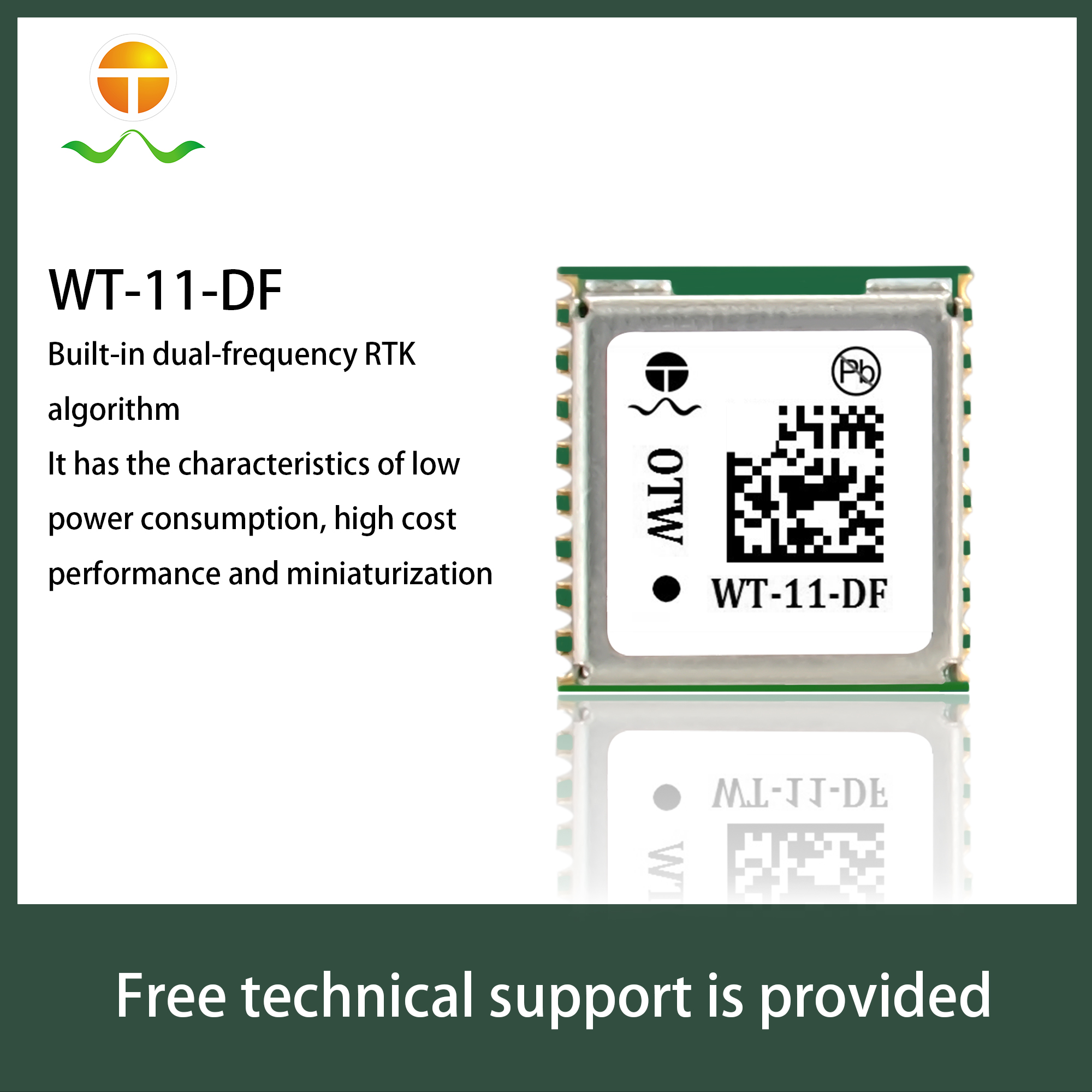
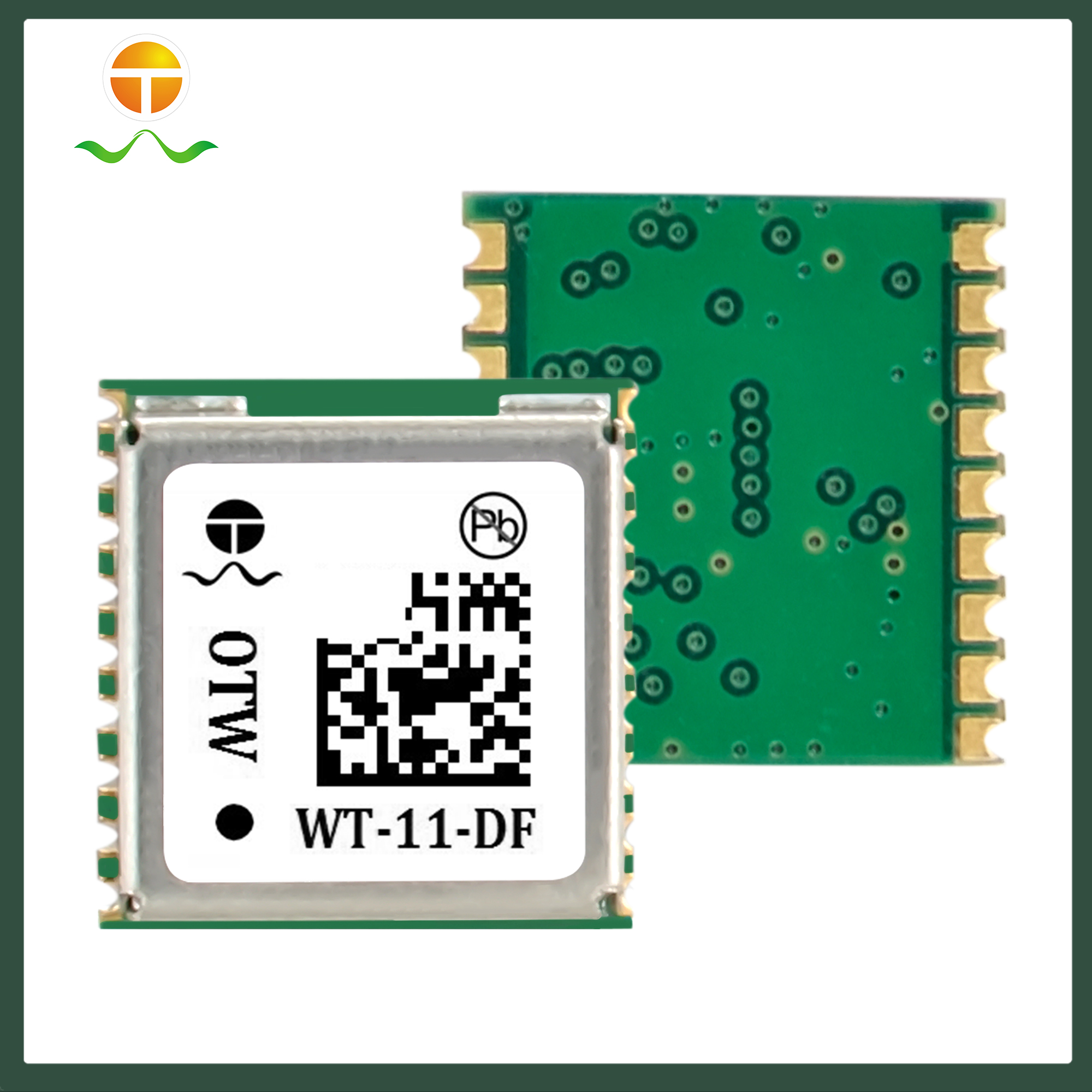
The WT-11-DF supports GPS, BDS, 갈릴레오, 그리고 글로나스. Its dual-frequency reception provides additional satellite signals for compatible positioning systems. 하지만, final accuracy depends on antenna quality, correction services, and operating conditions.
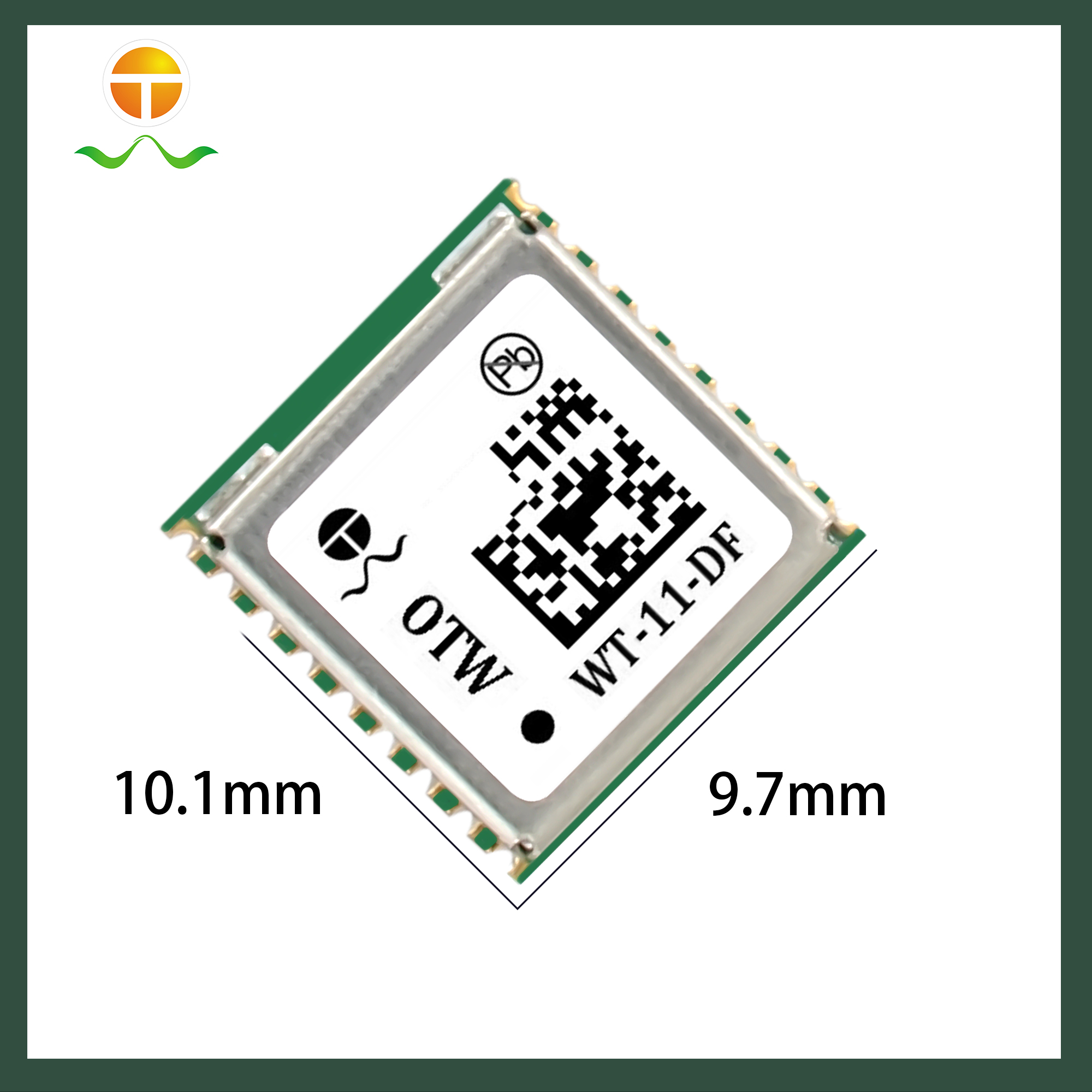
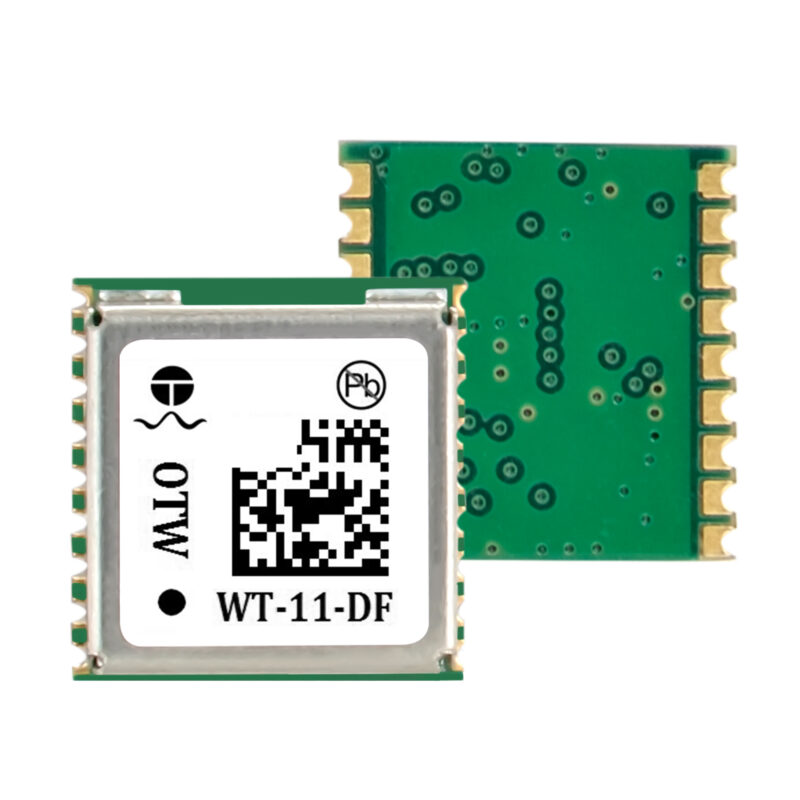
그냥 측정 10.1 엑스 9.7 엑스 2.4 millimeters, the module suits space-constrained devices. 그러므로, developers can consider it for handheld terminals and mapping equipment. During customization, engineers should also evaluate board layout and antenna integration.
우리를 탐험해보세요 GNSS module product range
How Can Custom GNSS Modules Support Agricultural Machinery?
Lawn mowers and farming machines use positioning data for navigation and route planning. 하지만, 나무, 건물, and changing satellite visibility can affect signal reception. Equipment manufacturers must consider these conditions when designing positioning systems.
What Should Developers Consider?
Engineers should assess antenna placement, positioning continuity, and equipment interfaces. 추가적으로, field tests should reflect actual operating routes and terrain.
The WT-11-DF offers a compact option for agricultural equipment with limited installation space. Its multi-system reception also supports flexible integration planning. By adapting the surrounding hardware and software, manufacturers can better address different machinery requirements.
How Can GNSS Modules Serve Drones and Shared Mobility?
Drones use positioning data for navigation and flight control. Shared two-wheelers rely on location information for tracking and fleet management. Although both use GNSS technology, their design priorities differ.
How Does Custom Development Improve Integration?
Drone projects may prioritize weight, 크기, and antenna placement. Shared mobility devices may require compact layouts and consistent production. 그러므로, developers should define these priorities before finalizing the hardware.
With experience in wireless positioning and communication products, Shenzhen Anzewei Technology supports development across multiple applications. Its work spans navigation, 추적, 그리고 무선 연결. This experience helps connect module selection with the wider requirements of the finished device.
How Can GNSS Modules Support Vehicle Tracking and Displacement Monitoring?
Vehicle tracking systems need location updates across changing road environments. Displacement monitoring also requires suitable installation and measurement methods. 따라서, developers must consider both the GNSS module and the complete sensing system.
Why Is Application Testing Important?
The WT-11-DF can provide positioning inputs for compatible tracking systems. 하지만, measurement accuracy depends on system design, correction methods, and installation conditions.
예를 들어, vehicle projects may require tests across urban roads and open highways. 그 동안에, displacement monitoring may need stable reference points and carefully planned antenna positions. Testing these conditions early helps identify integration issues before production.
Read our GNSS technical guides
What Should Buyers Consider When Choosing a GNSS Module Manufacturer?
Module selection involves more than checking specifications. Buyers should also assess customization support, integration requirements, and production quality.
A practical development process starts with the intended application. Engineers then review electrical interfaces, mechanical dimensions, and antenna requirements. 마지막으로, they validate performance under representative operating conditions.
This process aligns with Shenzhen Anzewei Technology’s focus on R&디, 생산, and technical service. The company develops wireless positioning and communication products for applications including vehicle monitoring, 농업 보호, and drone control. By connecting engineering requirements with manufacturing considerations, it helps customers prepare suitable designs for their target markets.
| Evaluation factor | WT-11-DF feature | Key consideration |
| Satellite reception | Four-system, dual-frequency support | Confirm required signal bands |
| 치수 | 10.1 엑스 9.7 엑스 2.4 millimeters | Check installation space |
| 응용 | 매핑, agriculture, 드론, and tracking | Define operating requirements |
| 완성 | Compact module design | Verify interfaces and antenna layout |
| Manufacturing | 아르 자형&D and production support | Confirm testing and quality procedures |
큐&에이: Custom Dual-Frequency GNSS Module Development
1분기: Can the WT-11-DF support centimeter-level positioning?
The module supports dual-frequency GNSS reception. Centimeter-level positioning requires compatible correction services, suitable antennas, and proper system integration. Actual results also depend on signal conditions.
2분기: Which industries can use the WT-11-DF?
Potential applications include GIS collection, 농업 기계, 드론, shared mobility, and vehicle tracking. Final suitability depends on each project’s technical requirements and operating environment.
3분기: Why choose custom GNSS module development?
Custom development helps address differences in device size, interfaces, and signal environments. It also allows engineers to validate integration before production. This can reduce avoidable design changes later.
Q4: What should buyers ask a GNSS module supplier?
Ask about R&D 기능, customization scope, production processes, and testing procedures. Also, confirm whether the supplier can support your application’s integration requirements. Shenzhen Anzewei Technology develops wireless positioning solutions for diverse industries. Contact the team to discuss your project and module requirements.