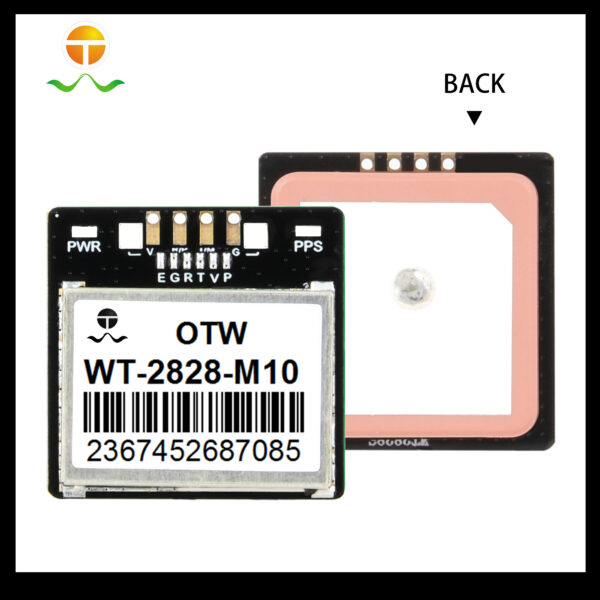
Naviguer à travers “canyons urbains” ou les forêts denses sont difficiles. Les unités GPS standard perdent souvent leur emprise sur les satellites. Cela entraîne une dérive des coordonnées ou des temps de verrouillage lents. Cependant, le récepteur GPS à antenne passive moderne a changé la donne.
Il combine un design compact avec une amplification interne intelligente du signal.. Vous n'avez plus besoin de matériel externe encombrant pour plus de précision. Cet article explique comment ces modules intégrés maintiennent la précision.
Le défi des signaux satellites faibles
Les signaux satellites voyagent 12,000 des kilomètres pour nous rejoindre. D'ici là, le signal est incroyablement faible. Bâtiments, arbres, et même les nuages affaiblissent encore davantage ces vagues. La plupart des systèmes passifs rencontrent des difficultés dans ces environnements difficiles. Il leur manque le “pousser” pour isoler les données du bruit. C’est là que l’ingénierie haute sensibilité devient essentielle au succès. Un récepteur GPS à antenne passive intelligente utilise des composants internes pour compenser. Cela garantit que votre appareil sait exactement où il se trouve.
Comprendre le rapport signal/bruit (RSB)
SNR détermine la qualité de votre localisation. Un SNR faible signifie que le signal est “enterré.” Votre récepteur doit travailler plus dur pour trouver les données. Les modules modernes se concentrent sur l'augmentation de ce ratio en interne. Cela permet d'accélérer le délai de première correction. (TTFF) dans l'ombre.
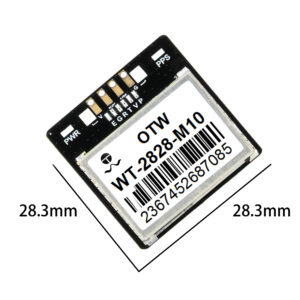
Principales caractéristiques des modules GNSS intégrés
La force de c'est moiintégré récepteur réside dans son intégration. Il n'abrite pas seulement une antenne. Il contient une suite complète de radiofréquences (RF) outils. Examinons les spécifications matérielles spécifiques.
-
Prise en charge multi-constellation: Reçoit le GPS, Bds, GNL, et GAL simultanément.
-
Conception intégrée: Le module de positionnement et l'antenne forment une seule unité.
-
Sensibilité améliorée: Ultra-haute sensibilité pour les environnements urbains profonds.
-
LNA embarqué & SCIE: Amplificateur à faible bruit et filtre SAW intégrés.
-
Encombrement compact: Mesure uniquement 28.3 × 28.3 × 7,5 mm.
-
Respectueux de l'environnement: Entièrement conforme RoHS pour les marchés mondiaux.
Comment les filtres LNA et SAW sauvent la situation
De nombreux ingénieurs se demandent pourquoi les antennes passives fonctionnent désormais si bien. Le secret réside dans les circuits internes derrière le patch en céramique.
Le rôle de l'amplificateur à faible bruit (LNA)
Un récepteur GPS à antenne passive possède généralement un LNA à gain élevé. Ce composant amplifie immédiatement le faible signal satellite. Il le fait sans ajouter de bruit électronique significatif. Ce “pré-amplification” est vital pour les zones de signal faible. Il permet au module de “entendre” les satellites clairement.
Filtres SAW: Bloquer le bruit
Notre monde est plein de sans fil “pollution.” Les tours de téléphonie cellulaire et le Wi-Fi interfèrent avec les fréquences GPS. Une onde acoustique de surface (SCIE) le filtre bloque ces intrus. Il garantit que seules les données satellite pures parviennent au processeur. Par conséquent, l'appareil reste verrouillé même dans les villes animées.
La puissance de la réception multi-constellation
Il est révolu le temps où l’on comptait uniquement sur le GPS américain. Ce module suit quatre systèmes mondiaux à la fois.
Pourquoi plus de satellites équivaut à une meilleure précision
Lorsque vous suivez le GPS, Bds, Glonass, et Galilée, tu vois plus. Dans une rue étroite, vous ne verrez peut-être que deux satellites GPS. Cependant, vous pourriez en voir quatre autres provenant des autres systèmes.
Cette redondance est la clé du positionnement des signaux faibles. Le récepteur combine les données de toutes les sources disponibles. Cela crée une coordonnée beaucoup plus stable et précise. Il réduit “erreurs de trajets multiples” causé par le rebond du signal.
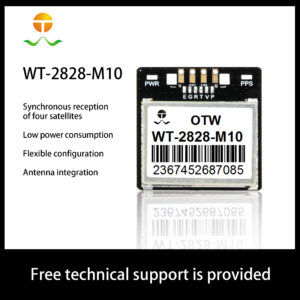
Faible consommation d'énergie pour les applications IoT
La durée de vie de la batterie est une priorité absolue pour les appareils mobiles. Les hautes performances consomment souvent rapidement de l'énergie. Encore, ce récepteur GPS intégré enfreint cette règle. Il utilise une gestion optimisée de l’énergie pour rester efficace. C'est parfait pour les trackers d'actifs ou les technologies portables. Vous obtenez 24/7 positionnement sans batterie massive. Cet équilibre entre puissance et précision est une merveille moderne.
Dimensions et facilité d'intégration
Au carré de 28,3 mm, ça s'adapte presque partout. La conception intégrée simplifie la disposition de votre PCB. Vous n'avez pas besoin de faire correspondre manuellement l'impédance de l'antenne. Cela fait gagner des mois de temps d'ingénierie RF à votre équipe.
Comparaison des performances dans le monde réel
Comment cela se compare-t-il aux configurations traditionnelles? Le tableau suivant compare les récepteurs standards au module passif intégré.
| Fonctionnalité | Récepteur GPS standard | Récepteur passif intégré |
| Constellations | Souvent GPS uniquement | GPS/BDS/GLN/GAL |
| Filtrage du bruit | Externe uniquement | SCIE intégrée & LNA |
| Sensibilité | -160 dbm | -165+ dbm (Ultra-élevé) |
| Effort de conception | Haut (RF complexe) | Faible (Branchez et jouez) |
| Consommation d'énergie | Modéré | Faible consommation optimisée |
Positionnement rapide dans les zones difficiles
La vitesse est primordiale dans la navigation. UN “démarrage à froid” peut prendre quelques minutes sur du vieux matériel. Ce récepteur GPS à antenne passive permet d'obtenir un positionnement rapide rapidement.
Même avec une antenne passive, la LNA entre en jeu. Il capture suffisamment de données pour un correctif en quelques secondes. C’est un énorme avantage pour les outils d’intervention d’urgence. C’est également vital pour les drones et les robots autonomes. Ces machines ne peuvent pas attendre qu'un signal se stabilise.
Cartographie côtière et rurale fiable
Dans les zones rurales, les signaux sont souvent bloqués par les collines. La haute sensibilité de ce module trouve les lacunes. Il fournit des données fiables pour la cartographie et l'agriculture.
Pourquoi choisir des solutions passives intégrées?
Vous pourriez demander: Pourquoi ne pas utiliser une antenne active? Les antennes actives sont excellentes mais ajoutent de la complexité. Ils nécessitent une alimentation via le câble de signal. Ils sont également sujets à davantage d’interférences électroniques.
Un récepteur GPS à antenne passive intégré offre un “un juste milieu.” Il vous donne le boost d'un LNA en interne. Encore, ça reste simple et robuste. C'est le choix le plus fiable pour l'électronique grand public compacte.
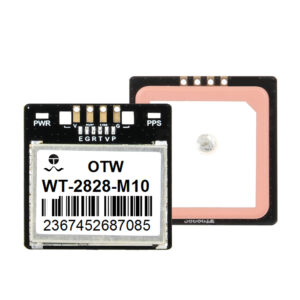
Réflexions finales sur l'innovation GNSS
Des signaux faibles ne signifient plus de mauvaises performances. L'ingénierie RF moderne a résolu les problèmes les plus courants. En combinant les filtres SAW, LNA, et prise en charge multi-constellation, nous avons avancé.
Le récepteur GPS à antenne passive est désormais une centrale électrique. Il offre une précision, vitesse, et faible consommation dans un petit boîtier. Si vous concevez pour le monde moderne, commence ici. La précision n'est plus un luxe; c'est une norme.