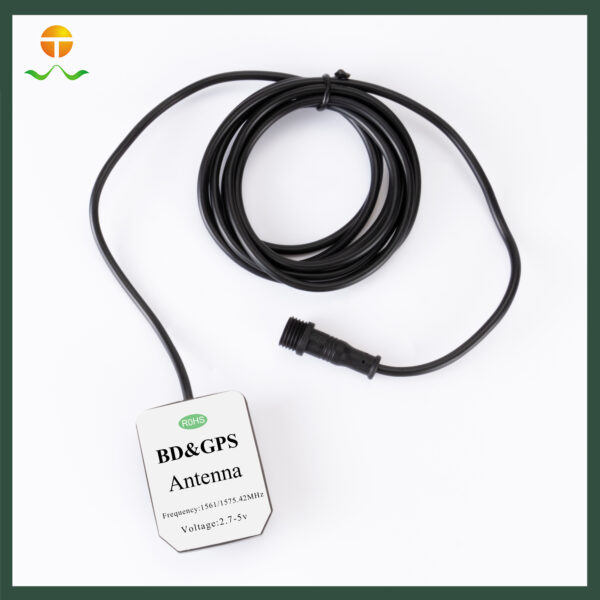
External GNSS Smart Modules Eliminate Costly Logistics Positioning Drift
Upgrading your commercial fleet with a dedicated G-Mouse for PND module resolves frustrating position lag permanently. This small hardware adjustment guarantees clean, continuous satellite data streams for your portable navigation devices (PNDs).
Cheap internal patch antennas frequently lose track connections behind dense metallic-coated thermal windshield layers. Umgekehrt, an external smart tracking puck bypasses vehicle cabin interference to deliver precise sub-meter positioning accuracy.
Außerdem, this uninterrupted data coordinates smoothly with modern route calculation algorithms to prevent mapping errors. Letztlich, this reliable hardware deployment minimizes delivery delays and protects your critical supply chain metrics. Jetzt, let us examine the core physical signal bottlenecks that cause traditional dashboard navigation systems to fail.
Der Signalengpass: Why Dashboard Interference Destroys Fleet Tracking Accuracy
Every experienced transport manager understands the deep frustration of delivery trucks missing narrow warehouse arrival slots. This costly operational failure typically occurs because drivers encounter severe real-time positioning drift on technical routes.
How Heated Windshield Elements Block Incoming Satellite Signals and Cause Route Lag
Modern commercial trucks utilize specialized metal-oxide glass coatings to reduce solar cabin heat efficiently. Bedauerlicherweise, this protective thermal layer acts like a solid shield against incoming high-frequency satellite radio waves.
Internal PND antennas cannot pierce this barrier cleanly, Dies führt zu erheblichen anfänglichen Verzögerungen bei der Signalverbindung. Folglich, Ihre Navigationsanzeige wandert blind über die Karte, anstatt Ihre tatsächlichen Straßenkoordinaten zu verfolgen.
Warum riesige städtische Schluchten schwerwiegende Multipath-Fehler und falsche Kartensprünge auslösen
Beim Betrieb in dicht besiedelten Stadtzentren, Satellitensignale werden von hohen Betongebäuden reflektiert, bevor sie Ihr Armaturenbrett erreichen. Dieser Bounce-Effekt führt zu Mehrwegfehlern, Ihren Positionierungschip dazu verleiten, falsche Standortparameter zu berechnen.
Plötzlich, Ihre Routing-Software geht davon aus, dass Ihr Fahrzeug zwei Blocks weiter in eine unzugängliche Einbahnstraße geraten ist. daher, Montage einer hohen Verstärkung externer GNSS-Smart-Empfänger Außerhalb Ihrer Kabine bleibt es für die Erfassung sauberer Satellitenpfade von entscheidender Bedeutung.
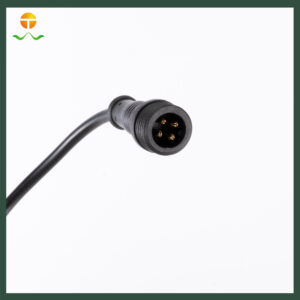
Technischer Kern: Wie ein G-Mouse-Empfänger die präzise Mapping-Steuerung wiederherstellt
Um diese schwierigen Tracking-Umgebungen zu meistern, HF-Hardware-Ingenieure entwickelten unabhängig voneinander, mausförmige externe Tracking-Pucks. Diese robusten Komponenten kombinieren hochwertige aktive Patch-Elemente mit integrierten rauscharmen Verstärkern für saubere Datenströme.
Nutzung der Multikonstellations-Satellitenverfolgung für schnelle anfängliche Signalsperren
Externe Premium-Receiver überwachen mehrere globale Tracking-Netzwerke gleichzeitig, inklusive GPS, Glonass, Galileo, und BeiDou-Arrays. Dieser umfassende Satellitenzugang erhöht die Gesamtzahl der sichtbaren Satelliten sofort von fünf auf über vierundzwanzig Chips.
Infolge, Ihr System behält eine enge geometrische Position auf abgelegenen Canyon-Highways bei. Die Host-Navigationssoftware aktualisiert Ihre Bewegungsmetriken mehrmals pro Sekunde, ohne dass es zu Signalausfällen kommt.
Die entscheidende Kraft der aktiven Filterung bei der Bekämpfung von elektronischem Fahrzeugrauschen
Moderne Kabinen beherbergen zahlreiche elektronische Displays, cellular routers, and drive cams that generate constant radio interference. A professional-grade Antenne für tragbare Navigationsgeräte utilizes integrated surface acoustic wave (GESEHEN) filters to isolate incoming signals.
This active filtering deletes background electronic noise, letting the internal processor read satellite timing codes flawlessly.
-
Integrated SAW Filters: Block local cabin electronic noise to ensure clean satellite frequency access.
-
High-Gain Active Patches: Capture weak satellite signals easily through dense storm clouds or thick trees.
-
Magnetic Weatherproof Shells: Allow fast, secure external roof mounting for perfect line-of-sight satellite exposure.
-
Standard Serial Output Protocols: Transmit standardized NMEA data strings instantly over durable USB connections.
Leistungsmatrix: Built-In PND Antennas vs. External G-Mouse Modules
| Navigation Performance Metric | Eingebaute interne PND-Antennen | Premium G-Maus für PND-Module |
| Zugang zum Satellitensystem | Einzelnes Netzwerk (Nur Standard-GPS) | Multi-GNSS (GPS, Glonass, Beidou, Galileo) |
| Time-to-First-Fix (TTFF) | Langsam (Erfordert 45+ Sekunden unter Deckung) | Ultraschnell (Erreicht die Sperrung unter 29 Sekunden) |
| Positionierungsgenauigkeitsradius | Breite Drift (5 bis zu 10-Meter-Fehlergrenzen) | Hohe Präzision (Hält einen Radius von weniger als 2,5 Metern aufrecht) |
| Widerstand gegen Windschutzscheibenblockierung | Niedrig (Versagt hinter metallischem Thermoglas) | Gesamt (Wird außen auf dem Fahrzeugdach montiert) |
| Kontinuität bei der Routenplanung | Arm (Löst häufige Sprünge bei der Kartenberechnung aus) | Außergewöhnlich (Ermöglicht flüssige Track-Updates in Echtzeit) |
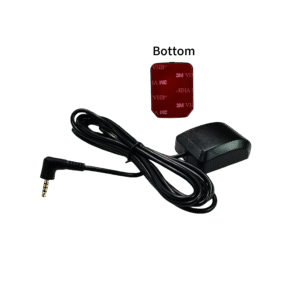
Strategische Flottenvorteile: Maximierung der Kraftstoffeffizienz und Fahrerproduktivität
Der Einsatz einer professionellen G-Mouse für PND-Empfänger in Ihren Transportfahrzeugen führt zu sofortigen Ergebnissen, messbare finanzielle Einsparungen. Dieses kostengünstige Hardware-Upgrade verwandelt unvorhersehbare lokale Lieferläufe in äußerst rationalisierte, Datenverifizierte Lieferkettenglieder.
Eliminierung lästiger Routenneuberechnungsschleifen in dicht besiedelten Industriegebieten
Wenn eine Navigationskonsole ihre Satellitenverbindung trennt, Ihre Routenplanungssoftware friert völlig ein. Autofahrer verpassen häufig wichtige Autobahnausfahrten, weil ihre Sprachführung auf der Straße drei Sekunden zu spät ausgelöst wird.
Weil externe Module die Standortkoordinaten ständig aktualisieren, Ihre Kartensoftware plant Spuränderungen weit im Voraus. Dieser Frühwarnmechanismus sorgt dafür, dass sich Lkw reibungslos bewegen, Spritverschwendende Umwege und unnötiges Bremsen entfallen.
Abschirmung von Remote-Telematik-Hardware vor verzerrenden Datenausfällen
Für die effiziente Verwaltung Ihrer Flottenressourcen müssen Sie stündlich konsistente Standortprotokolle an Ihr zentrales Versandbüro senden. Zufällige tote Winkel bei Signalen führen zu verwirrenden Lücken auf Überwachungskarten, Auslösen von Fehlalarmen bezüglich des Frachtstatus.
Durch die Verwendung eines externen Empfängers wird sichergestellt, dass Ihre Ortungssysteme bei Transporten über Land hinweg saubere Koordinatenblöcke übertragen. Dieser stetige Datenfluss schützt die Reputation Ihres Dienstes und verringert gleichzeitig den Verwaltungsaufwand für die Nachverfolgung erheblich.
Installationsplan: Richten Sie Ihre Smart-Antenne für maximale Signalverstärkung ein
Um eine zuverlässige Genauigkeit im Submeterbereich zu erreichen, muss Ihr externer Empfänger gemäß strengen Richtlinien der HF-Technik montiert werden. Stellen Sie sicher, dass Ihre Außendiensttechniker diese einfachen Platzierungsschritte bei jedem Rollout neuer Fahrzeughardware ausführen.
-
Suchen Sie das Fahrzeugdachzentrum: Suchen Sie nach einer flachen Stahloberfläche, die von großen Dachträgern entfernt ist.
-
Nutzen Sie die magnetische Ankerbasis: Platzieren Sie den Puck fest auf dem blanken Stahlblech, um eine Grundebene zu bilden.
-
Verlegen Sie das abgeschirmte Kabel sicher: Führen Sie den Draht durch die Türdichtung, ohne die inneren Kupferlitzen einzuklemmen.
-
Stellen Sie eine Verbindung zum Navigationsport her: Stecken Sie das USB-Kabel direkt in den PND-Datensteckplatz Ihres Haupt-Armaturenbretts.
Die Einhaltung dieses unkomplizierten Shop-Layouts verhindert Signalreflexionsfehler, Gewährleistung maximaler Satellitensichtbarkeit bei starkem Regen. Es schafft eine äußerst stabile Hardware-Grundlage, die es Ihren Kartierungstools ermöglicht, Tracks effizient zu berechnen.
FAQ:
Warum wird auf meinem Navigationsbildschirm angezeigt, dass mein LKW durch nahegelegene Gebäude fährt??
Dieses frustrierende Kartierungsproblem tritt auf, wenn Ihre Tracking-Antenne starken Mehrwegestörungen oder einer schlechten Satellitengeometrie ausgesetzt ist. Ihr Empfänger erfasst reflektierte Signale statt direkter Funkwege, Dies führt dazu, dass der interne Computer falsche Standorte zuordnet. Durch die Installation eines externen G-Mouse-for-PND-Moduls wird dieses Problem durch eine saubere Erfassung behoben, direkte Satellitensignale.
Kann ich einen USB-G-Maus-Empfänger direkt an ein Consumer-Android-Tablet anschließen??
Ja, Sie können diese Smart-Module mit Android-Tablets verbinden, wenn das Tablet USB-Host-Energiemodi unterstützt. Sie müssen eine einfache Treiber-App installieren, um die externen seriellen Daten in Ihr Betriebssystem zu leiten. Bei dieser Konfiguration werden minderwertige interne Tablet-Chips umgangen, um viel schnellere Aktualisierungen der Positionsverfolgung in Echtzeit zu ermöglichen.
Was ist der Hauptunterschied zwischen Standard-NMEA-Sätzen und GNSS-Rohdaten??
NMEA-Dateien bestehen aus standardisierten Textzeilen, die vorberechnete Koordinaten enthalten, Reisegeschwindigkeiten, und aktuelle Weltzeiten. Rohe GNSS-Messungen liefern die tatsächlichen Trägerphasendaten, die direkt von einzelnen Satelliten empfangen werden, bevor die Verarbeitung erfolgt. Die meisten Logistikbetreiber nutzen Standard-NMEA-Daten, da diese deutlich weniger interne Computerverarbeitungsleistung erfordern.
Benötigt ein externer G-Mouse-Puck einen unabhängigen Stromkabelanschluss??
NEIN, Diese effizienten Smart-Module verbrauchen minimalen elektrischen Strom direkt über die primäre Datenschnittstellenleitung. Ihr Host-Navigationsterminal stellt die erforderliche Fünf-Volt-Stromversorgung automatisch über den integrierten USB-Verbindungspfad bereit. Dieses Design vereinfacht die Verkabelung Ihres Armaturenbretts, Damit eignet es sich ideal für den schnellen Einsatz in großen Transportflotten.
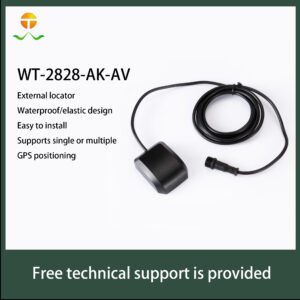
Machen Sie Ihre Transportanlagen mit Hochleistungsempfängern zukunftssicher
Wenn Sie sich auf schwache interne Antennen verlassen, ist Ihre komplexe Lieferlogistik sehr anfällig für Ausfälle bei der Sendungsverfolgung in Städten. Sie können keine profitablen Transitzeiten einhalten, wenn Ihre Fahrer ständig mit verzögerten Navigationshardware-Anzeigen zu kämpfen haben. Durch die Aufrüstung Ihrer Geräteflotte mit einer leistungsstarken G-Mouse für PND-Architektur wird die Qualität Ihrer Positionsverfolgung völlig neu definiert. Es kombiniert Multi-Netzwerk-Satellitenverfolgung mit aktiver Rauschfilterung, um Ihre Routendaten vor Umwelteinflüssen zu schützen.
Lassen Sie in diesem Jahr nicht mehr zu, dass metallische Windschutzscheibenbeschichtungen und städtische Wolkenkratzerreflexionen Ihren Erfolg bei der Routenplanung beeinträchtigen. Investieren Sie in praxiserprobte externe Tracking-Komponenten, die Ihre mobilen Positionierungsmetriken stabilisieren und genaue Ankunftsmetriken liefern. Ihre Dispositionsmitarbeiter werden die sauberen Wege zur Fahrzeugverfolgung lieben, und Ihre Fahrer werden die verzögerungsfreie Zuordnung zu schätzen wissen. Modernisieren Sie noch heute Ihre LKW-Hardware, um bei jedem einzelnen Lieferlauf absolute Positionierungspräzision sicherzustellen.