การพัฒนาเทคโนโลยีอุปกรณ์สวมใส่สำหรับสัตว์หรือมนุษย์ถือเป็นอุปสรรคทางวิศวกรรมที่ไม่เหมือนใคร. Engineers must balance precise location tracking with extremely limited battery capacity. เพราะเหตุนี้, the choice between a low power GPS dev board for collars and standard modules is vital.
Standard GPS modules often drain power too quickly for long-term use. อย่างไรก็ตาม, specialized development boards offer integrated power management systems. This article explores the critical differences between these two options. We will help you choose the right hardware for your next wearable project. Let us dive into the technical world of low-power positioning!
What is a Low Power GPS Dev Board for Collars?
A low power GPS dev board for collars is an all-in-one solution for developers. These boards specifically target wildlife tracking and domestic pet wearables. Unlike raw modules, they include vital secondary components on a single circuit.
Integrated Power Management
These boards feature specialized chips to control energy flow. They allow the system to enter “deep sleep” modes when the tracker is stationary. นอกจากนี้, they optimize the voltage conversion to prevent energy waste. This integration is crucial for devices that must last for months in the field.
Onboard Sensors and Connectivity
Most dev boards include motion sensors like accelerometers. These sensors tell the GPS to wake up only when the animal moves. นอกจากนี้, they often support LoRa or cellular connectivity. This combination makes them much easier to deploy than building from scratch.
Understanding Standard GPS Modules
Standard GPS modules are the “raw” components used in general electronics. You often find them in car navigation systems or handheld outdoor devices. While they are powerful, they require significant support circuitry to function efficiently.
High Performance, High Demand
Standard modules focus on fast “Time to First Fix” (TTFF) and high accuracy. อย่างไรก็ตาม, they achieve this by keeping the receiver active constantly. This behavior leads to massive battery drain within hours. ดังนั้น, you must design a complex external control system to manage their power.
Flexibility for Customization
The main benefit of a standard module is its versatility. You can pair it with any microcontroller of your choice. อย่างไรก็ตาม, this flexibility increases the size of your final PCBA. For compact wearable trackers, this extra bulk often becomes a major disadvantage.
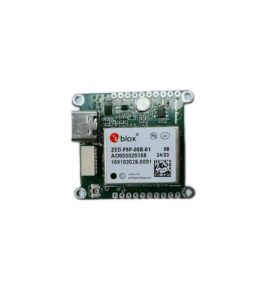
Comparing Energy Efficiency: The Core Battle
Battery life determines the success of any wearable tracker. Let us analyze how a low power GPS dev board for collars outperforms standard options.
-
Current Consumption: Standard modules often pull $30$–$50$ $mA$ during active tracking. Specialized boards can drop this significantly below $10$ $mA$ in power-saving modes.
-
Sleep Current: A dev board optimized for collars has a sleep current in the microamp ($\mu A$) range. Standard modules might still leak significant power unless you cut their supply entirely.
-
Intelligent Duty Cycling: Dev boards handle the “wake-up” logic internally. This reduces the processing load on your main MCU.
Key Differences for Wearable Tracker Applications
To make an informed choice, you must look at your specific project requirements. Here is a breakdown of how these technologies differ in the real world.
1. Size and Weight Constraints
Wearables must be light and comfortable for the user. A low power GPS dev board for collars is usually very compact. Designers prioritize a small footprint to fit inside sleek collar housings. Standard modules require extra boards for power and communication, making the final device much larger.
2. Ease of Development
Building a tracker from a standard module takes months of engineering. You must write code for power management and signal processing. ในทางกลับกัน, a dev board comes with pre-written libraries and examples. This allows you to launch your wearable GPS development kits much faster.
3. Reliability in the Field
Tracking wildlife or pets involves harsh outdoor conditions. บอร์ด Dev มักสร้างด้วยส่วนประกอบที่ทนทาน. สามารถรับมือกับความผันผวนของอุณหภูมิและการสั่นสะเทือนได้ดีกว่าโมดูลงานอดิเรกทั่วไป. ความน่าเชื่อถือนี้ทำให้มั่นใจได้ว่าคุณจะไม่สูญเสียข้อมูลของคุณในระหว่างภารกิจการวิจัยที่สำคัญ.
เมื่อใดจึงควรเลือกโมดูล GPS มาตรฐาน
โมดูลมาตรฐานยังคงมีอยู่ในตลาดอุตสาหกรรม. คุณควรพิจารณาหากโครงการของคุณตรงกับเกณฑ์เฉพาะเหล่านี้:
-
แหล่งพลังงานต่อเนื่อง: ใช้โมดูลมาตรฐานหากอุปกรณ์เชื่อมต่อกับแบตเตอรี่รถยนต์.
-
การผลิตขนาดใหญ่: หากคุณผลิต $10,000$ หน่วย, โมดูลดิบอาจมีราคาถูกกว่า. อย่างไรก็ตาม, คุณจะต้องมี R เริ่มต้นจำนวนมาก&งบประมาณ D.
-
มีความแม่นยำสูงมาก: หากคุณต้องการความแม่นยำระดับเซนติเมตร (RTK), โมดูลระดับไฮเอนด์มาตรฐานจะดีกว่า.
ข้อดีของการใช้บอร์ดพัฒนาเพื่อการวิจัยสัตว์ป่า
โครงการวิจัยมักเกี่ยวข้องกับการติดตามสัตว์ในภูเขาหรือป่าที่ห่างไกล. ในกรณีเหล่านี้, ต้องมีเครื่องติดตาม GPS เพื่อการวิจัยสัตว์ป่า “ตั้งค่าและลืม”
การรวบรวมข้อมูลระยะยาว
คณะกรรมการเฉพาะทางสามารถจัดการพลังงานของตนเองได้ตลอดทั้งปี. โดยจะบันทึกตำแหน่งตามช่วงเวลาที่กำหนดเพื่อประหยัดพลังงาน. นอกจากนี้, บอร์ดจำนวนมากรองรับอินพุตการชาร์จพลังงานแสงอาทิตย์. สิ่งนี้ทำให้ตัวติดตามทำงานได้อย่างไม่มีกำหนดโดยปราศจากการแทรกแซงของมนุษย์.
คะแนนความล้มเหลวลดลง
บอร์ดรวมมีการเชื่อมต่อทางกายภาพระหว่างส่วนประกอบน้อยลง. สายไฟและข้อต่อที่น้อยลงหมายถึงโอกาสที่จะเกิดความเสียหายในป่าน้อยลง. ความทนทานนี้คือสาเหตุที่นักวิจัยมืออาชีพมักเลือกบอร์ด dev แบบรวมมากกว่าการตั้งค่าแบบโมดูลาร์.
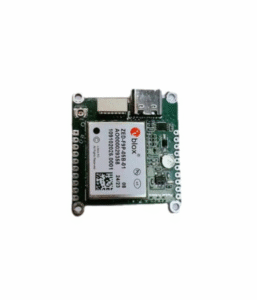
ตารางเปรียบเทียบทางเทคนิค
| คุณสมบัติ | บอร์ดพัฒนา GPS พลังงานต่ำ | โมดูล GPS มาตรฐาน |
| การจัดการพลังงาน | แบบบูรณาการ (ระดับฮาร์ดแวร์) | ภายนอก (ต้องมีการออกแบบที่กำหนดเอง) |
| พลังที่ใช้งานอยู่ | ต่ำมาก (<10 MA) | ปานกลาง (30–50 มิลลิแอมป์) |
| Onboard Sensors | Usually includes Accelerometer | None |
| Development Time | Short (Weeks) | Long (Months) |
| Best Application | Pet Collars, Wildlife Tags | Car Trackers, Handheld NAV |
Future Trends in Wearable GPS Technology
The industry is moving toward “Ultra-Low Power” (ULP) designs. We now see chips that use AI to predict satellite positions. This technology further reduces the time the GPS needs to stay active.
Choosing a low power GPS dev board for collars keeps you at the cutting edge. These boards often receive firmware updates that improve efficiency over time. This future-proofing is essential for long-term deployments in the field.
Making the Right Hardware Choice
The battle between dev boards and standard modules comes down to efficiency. For wearable trackers, a low power GPS dev board for collars is clearly superior. มีการจัดการพลังงานแบบรวม, ขนาดที่เล็กกว่า, และวงจรการพัฒนาที่เร็วขึ้น.
โมดูลมาตรฐานทำงานได้ดีกับยานพาหนะ แต่ล้มเหลวในโลกของอุปกรณ์สวมใส่. หากคุณต้องการสร้างความน่าเชื่อถือ, ตัวติดตามที่ยาวนาน, เริ่มต้นด้วย คณะกรรมการพัฒนามืออาชีพ. ตัวเลือกนี้ช่วยให้มั่นใจได้ว่าโครงการของคุณยังคงขับเคลื่อนอยู่ และข้อมูลของคุณก็จะแม่นยำ!