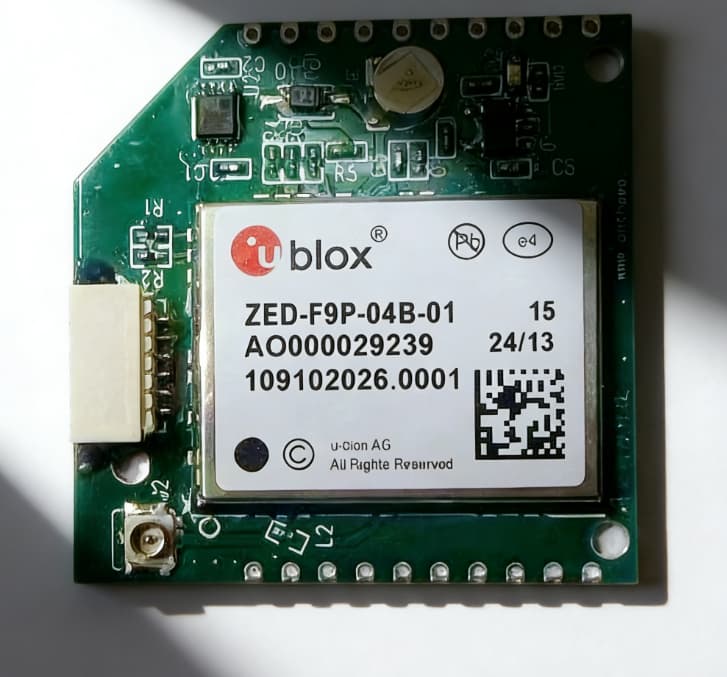
Точные данные о местоположении лежат в основе современных ГИС-проектов. Однако, стандартные модули GNSS часто ограничивают точность. Как результат, ошибки картографирования быстро увеличиваются. Вот где плата RTK для картографии ГИС меняет ожидания. Технология RTK обеспечивает точность на уровне сантиметра.. Поэтому, профессионалы получают надежные пространственные данные. Эта точность поддерживает геодезию, коммунальные услуги, и планирование инфраструктуры. Понимание разницы становится важным.
Почему стандартной точности GNSS уже недостаточно
Базовые модули GNSS обеспечивают точность на уровне метра.. Для навигации, такой точности часто бывает достаточно. Однако, ГИС-картирование требует гораздо большей точности. Даже небольшие ошибки приводят к дорогостоящим последствиям. Плата RTK для картографии ГИС устраняет это ограничение.. Он исправляет спутниковые ошибки в режиме реального времени.. Следовательно, позиционная надежность значительно повышается. Это преимущество определяет картографические системы профессионального уровня..
Объяснение основных технологических различий
Возможность кинематической коррекции в реальном времени
Платы RTK непрерывно обрабатывают данные коррекции. Они используют базовую станцию или сетевые поправки.. Как результат, ошибки позиционирования значительно уменьшаются. Стандартные модули GNSS лишены этой функции.. Алгоритмы RTK устраняют неоднозначность фазы несущей. Поэтому, точность увеличивается до сантиметров. Эта возможность преобразует необработанные спутниковые данные. Это обеспечивает производительность картографирования ГИС геодезического уровня..
Многодиапазонное и многосозвездное отслеживание
Платы RTK поддерживают несколько диапазонов частот.. Они отслеживают GPS, Глонасс, Галилео, и Бэйдоу. Это улучшает доступность и надежность сигнала.. Стандартные модули GNSS отслеживают меньше сигналов. Отслеживание нескольких созвездий снижает эффект блокировки сигнала. Поэтому, производительность улучшается в городских условиях. ГИС-проекты выигрывают от стабильного позиционирования. Эта стабильность позволяет проводить длительные полевые работы..
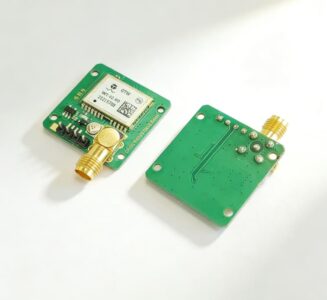
Аппаратная архитектура и вычислительная мощность
Усовершенствованные процессоры
РТК-платы интегрировать высокопроизводительные процессоры. Эти процессоры обрабатывают сложные алгоритмы коррекции.. Как результат, задержка остается чрезвычайно низкой. Стандартные модули GNSS выполняют более простые вычисления. Низкая задержка обеспечивает обновление данных о местоположении в режиме реального времени.. Поэтому, движущиеся опросы остаются точными. Эта возможность поддерживает мобильные ГИС-платформы.. Это также дает преимущества автономному сбору данных..
Расширенные антенные интерфейсы
Платы RTK в паре с антеннами геодезического класса. Эти антенны улучшают качество сигнала.. Они эффективно уменьшают многолучевые помехи. В стандартных модулях часто используются компактные антенны.. Лучшие антенны улучшают соотношение сигнал/шум. Поэтому, Исправления RTK разрешаются быстрее. Эффективность поля значительно возрастает. ГИС-команды быстрее завершают проекты.
Данные сравнения производительности
В таблице ниже показаны ключевые различия в производительности..
| Особенность | RTK-плата для картографии ГИС | Стандартный модуль ГНСС |
|---|---|---|
| Точность позиции | 1–2 см | 1–3 метра |
| Коррекционная поддержка | RTK в реальном времени | Никто |
| Мульти-Созвездие | Полная поддержка | Ограниченный |
| Скорость обновления | До 20 Гц | Обычно 1–5 Гц |
Эти показатели отражают реальные условия развертывания.. Они демонстрируют, почему RTK доминирует в профессиональной ГИС-работе.. Точность напрямую влияет на доверие к проекту. Поэтому, Выбор оборудования имеет большое значение.
Гибкость интеграции для ГИС-систем
Совместимость с программными платформами ГИС
Платы RTK выводят стандартные протоколы. Они поддерживают форматы NMEA и RTCM.. Поэтому, интеграция остается простой. Большинство ГИС-платформ принимают эти стандарты.. Эта совместимость снижает сложность развертывания.. Как результат, время настройки уменьшается. Команды сосредоточены на сборе данных. Операционная эффективность сразу же повышается.
Энергоэффективность и надежность в полевых условиях
Современные платы RTK оптимизируют энергопотребление. Они балансируют производительность и энергоэффективность.. Поэтому, системы с батарейным питанием служат дольше. Стандартным модулям GNSS часто не хватает оптимизации.. Расширенная работа поддерживает удаленную работу на местах. Эта надежность способствует длительным сеансам опроса.. Время простоя значительно сократилось. Производительность ГИС постоянно растет.
Почему профессионалы выбирают специализированные RTK-платы
ГИС-специалистам требуется повторяемая точность. Они также требуют стабильной долгосрочной работы.. Плата RTK для картографии ГИС отвечает обеим потребностям.. Стандартные модули не могут обеспечить такую согласованность.. Выбирайте Anze для профессиональных ГИС-приложений. Anze фокусируется на точном проектировании оборудования. Платы RTK поддерживают требовательные среды. Поэтому, Достоверность картографирования повышается в разных проектах.
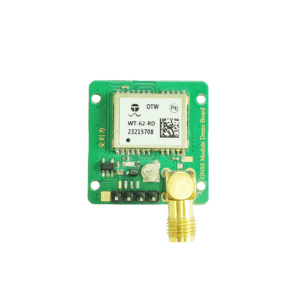
Выбор подходящей платы RTK для картографии ГИС
Ключевые критерии выбора
Когда выбор RTK-решения, учитывать эти факторы:
-
Поддерживаемые спутниковые группировки
-
Совместимость корректирующих входов
-
Производительность задержки обработки
-
Качество интерфейса антенны
-
Эффективность энергопотребления
Эти критерии обеспечивают надежное развертывание ГИС.. Они также защищают долгосрочные инвестиции.. Тщательный выбор предотвращает дорогостоящие обновления. Профессиональные результаты следуют за обоснованными решениями.
Точность определяет современное картографирование ГИС
Стандартные модули GNSS удовлетворяют основные потребности в позиционировании.. Однако, ГИС-картирование требует более высокой точности. Плата RTK для картографии ГИС обеспечивает такую точность. Исправляет ошибки в режиме реального времени. Расширенная обработка и отслеживание сигналов обеспечивают надежность. Интеграция остается гибкой и эффективной. Для надежной работы, Выберите Анз. Точное картографирование начинается с правильного оборудования.
Часто задаваемые вопросы:
1 квартал: Насколько точна плата RTK для картографирования ГИС?
Платы RTK обычно обеспечивают точность 1–2 сантиметра..
2 квартал: Могут ли RTK-платы работать в городских условиях??
Да, отслеживание нескольких созвездий улучшает производительность города.
Q3: Требуется ли для плат RTK подключение к Интернету??
Они могут использовать сетевые поправки или локальные базовые станции..