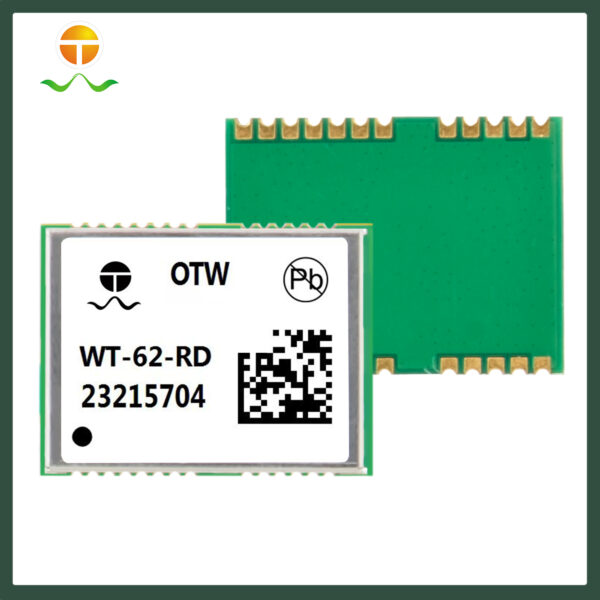
Точное позиционирование обеспечивает каждый безопасный полет БПЛА. Современным дронам нужна стабильная навигация, чтобы избежать дрейфа, потеря сигнала, и провал миссии. Поэтому, многие коммерческие и промышленные операторы более внимательно изучают характеристики антенн. Теперь они сосредоточены на том, как производитель модулей GNSS может улучшить производительность БПЛА.. По мере роста рынка, надежная конструкция ГНСС становится стратегическим активом.
В этой статье, Я объясняю, как антенная техника влияет на стабильность позиционирования БПЛА. Я также показываю, как производители улучшают качество дизайна., уменьшить шум, и повысить надежность сигнала. Окончательно, вы узнаете, почему выбор Anze в качестве партнера по модулю GNSS повышает производительность продукта и общую безопасность полетов.
Почему производительность GNSS важна для каждого БПЛА
Каждый БПЛА зависит от позиционирования в реальном времени. Даже небольшой дрейф влияет на навигацию. Поэтому, высокоточный модуль GNSS находится в центре безопасности полета. Когда антенны работают плохо, БПЛА сталкиваются с серьезными проблемами:
-
Скачки положения во время полета
-
Нестабильность курса в ветреную погоду
-
Ошибки многопутевого движения в городах
-
Медленное переподключение после помех
Эти проблемы затрагивают коммерческие дроны-доставщики, инспекционные БПЛА, картографические платформы, сельскохозяйственный самолет, и системы защиты. Однако, усовершенствованные антенны снижают эти риски. Профессиональный производитель модулей GNSS использует лучшие материалы., более жесткая настройка, и более умный дизайн. Следовательно, Операторы БПЛА получают стабильную прибыль, точный, и безопасное выполнение полета.

Как разработка модулей GNSS повышает стабильность БПЛА
Высокоуровневая конструкция GNSS повышает надежность БПЛА. Однако, немногие пользователи понимают техническую работу этих антенн.. Ниже, Я объясняю, как производители повышают стабильность позиционирования и минимизируют помехи..
1. Прецизионная антенная архитектура для более сильного улавливания сигнала
Модуль GNSS работает как первая ступень навигационной системы БПЛА.. Поэтому, его структура должна точно улавливать спутниковые сигналы.
Ключевые архитектурные особенности включают в себя:
-
Высокий коэффициент усиления для захвата слабых спутниковых сигналов
-
Широкий луч для поддержания стабильного отслеживания во время быстрых маневров
-
Низкий уровень шума для улучшения четкости сигнала
-
Оптимизирована наземная плоскость для контроля излучения антенны
Эти варианты дизайна повышают чувствительность. Как результат, БПЛА получает более точные и чистые спутниковые данные. Это напрямую повышает стабильность позиционирования в сложных условиях полета..
2. Многочастотный дизайн для более высокой точности позиционирования
Современные миссии БПЛА требуют точности на уровне сантиметра.. Поэтому, модуль GNSS должен принимать несколько диапазонов частот, например GPS L1/L2/L5., БДС B1/B2, или Галилео E1/E5.
Многочастотные преимущества включают в себя:
-
Более быстрая конвергенция
-
Лучшая защита от помех
-
Уменьшена ионосферная ошибка
-
Более высокая точность в миссиях RTK
Хорошо спроектированная многочастотная антенна быстро фиксирует сигналы.. Он также сохраняет точность, когда дрон движется быстро или меняет высоту.. Таким образом, Стабильность позиционирования БПЛА значительно улучшается.
3. Защита от помех для более безопасных полетов БПЛА
Помехи угрожают безопасности полетов БПЛА. Мощные передатчики, здания, и даже внутренняя электроника БПЛА вызывает сбои. Производитель модуля GNSS уменьшает эти проблемы с помощью передовых технологий..
Общие решения по защите от помех включают в себя:
-
ПАВ или LC фильтры которые удаляют мощный шум
-
Высокая изоляция что предотвращает внутреннюю радиочастотную связь
-
Экранированная конструкция конструкции который блокирует внешнее вмешательство
-
Низкое осевое соотношение для уменьшения многолучевых искажений
Эти меры повышают надежность сигнала.. Поэтому, БПЛА сохраняют стабильное положение даже в суровых радиочастотных условиях..
4. Механическая надежность, позволяющая выдерживать суровые условия полета
БПЛА работают в жару, холодный, дождь, и сильная вибрация. Поэтому, антенное оборудование должно оставаться стабильным.
Прочный модуль GNSS обычно обеспечивает:
-
Ударопрочный корпус
-
Водонепроницаемое и пыленепроницаемое уплотнение
-
устойчивые к УФ-излучению материалы
-
Стабильная работа в условиях вибрации
Эти функции уменьшают потери сигнала, вызванные механическим воздействием.. Они также защищают чувствительные радиочастотные компоненты.. Следовательно, безопасность полетов повышается.
5. Калибровка и тестирование для гарантии стабильного позиционирования
Профессиональные производители следуют строгим стандартам проверки.. Они используют передовые испытательные платформы для проверки точности антенны..
Типичные тесты включают в себя:
-
Радиационные испытания в безэховой камере
-
Тесты симулятора сигналов ГНСС
-
Тесты на подавление многолучевого распространения
-
Тесты на согласованность усиления и фазового центра
-
Тесты долгосрочной стабильности
Тестирование обеспечивает стабильную производительность. Поэтому, Операторы БПЛА получают предсказуемые результаты позиционирования. Это важно для картографирования, инспекция, и автоматизированные миссии.

Почему вашему проекту БПЛА нужен производитель высококачественного модуля GNSS
Надежный производитель модулей GNSS укрепит вашу линейку продуктов БПЛА. Их инженерный опыт повышает точность позиционирования, стабильность, и безопасность миссии. Однако, не все поставщики обеспечивают одинаковое качество. Расширенный выбор материала, точность конструкции, и строгий контроль качества определяют окончательную производительность.
Поэтому, выбор подходящего партнера становится стратегическим решением. Надежный производитель обеспечивает техническую поддержку, услуги по настройке, и долгосрочная гарантия качества. Кроме того, они помогают снизить риски, вызванные потерей сигнала, нестабильная навигация, и плохая защита от помех.
Почему стоит выбрать Anze в качестве партнера по модулю GNSS?
Вы получаете:
-
стабильная работа ГНСС во всех режимах полета
-
надежная защита от помех
-
многочастотные варианты конструкции с высоким коэффициентом усиления
-
высокая долговечность для суровых условий эксплуатации
-
стабильное качество при крупносерийном производстве
Выбор Антик поскольку ваш партнер по модулю GNSS обеспечивает качество продукции. Это также повышает стабильность БПЛА., точность, и общая безопасность полета.
Как усилить ваш БПЛА с помощью улучшенного модуля GNSSИнжиниринг
Если вам нужна более высокая стабильность позиционирования БПЛА, начнем с конструкции антенны. Оцените свою текущую систему. Проверьте, не страдает ли он дрейфом, шум, или медленные исправления RTK. Затем подберите для своего приложения подходящую архитектуру антенны..
А профессиональный производитель модулей GNSS проведет вас через:
-
Выбор дизайна
-
Частотное планирование
-
Механическая настройка
-
Интеграция разъема и кабеля
-
Поддержка полевых испытаний
Сильное позиционирование начинается с мощного оборудования. Поэтому, модернизация антенны предлагает один из самых быстрых способов улучшить характеристики БПЛА.

Заключение
Стабильность позиционирования БПЛА зависит от многих систем. Однако, модуль GNSS влияет на точность больше, чем думает большинство пользователей. Передовые разработки улучшают мощность сигнала, снижает помехи, и повышает общую безопасность полета. Поэтому, операторам следует выбирать надежного производителя модуля GNSS, чтобы обеспечить высокие навигационные характеристики..
Выбор Антик поскольку ваш партнер по модулю GNSS обеспечивает качество, стабильность, и надежность на уровне миссии. С лучшими антеннами, ваши БПЛА летают безопаснее, отслеживать точнее, и обеспечивать стабильные результаты в любой среде.
Часто задаваемые вопросы
1. Как производитель модулей GNSS повышает точность БПЛА?
Они совершенствуют архитектуру антенны, оптимизировать усиление, уменьшить шум, и использовать многочастотные конструкции для обеспечения точного и стабильного позиционирования.
2. Почему многочастотная ГНСС важна для безопасности полетов БПЛА?
Это уменьшает количество ошибок, улучшает производительность RTK, и сохраняет точность даже в условиях сильных помех.
3. Почему бренды БПЛА должны выбирать Anze для модулей GNSS?
Anze обеспечивает надежное качество антенны, сильная стабильность, и улучшенные характеристики защиты от помех, которые повышают безопасность полетов БПЛА..