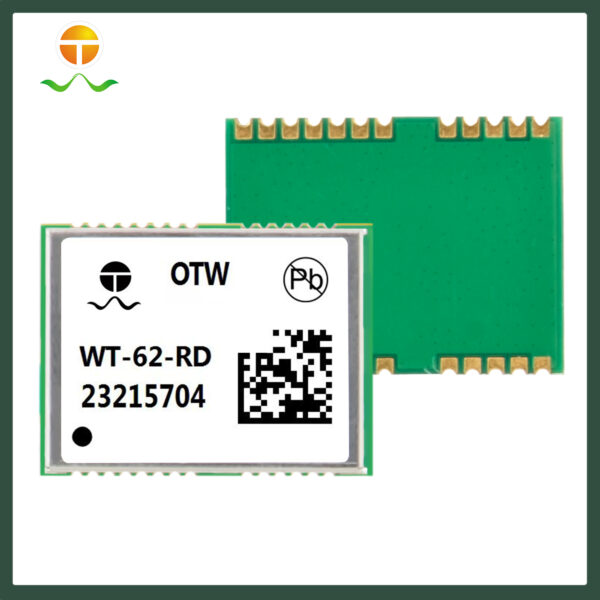
모든 안전한 UAV 비행에서 정확한 포지셔닝 드라이브. 현대 드론은 표류를 피하기 위해 안정적인 탐색이 필요합니다., signal loss, and mission failure. 그러므로, many commercial and industrial operators look deeper into antenna performance. They now focus on how a GNSS module manufacturer can enhance UAV performance at its core. As the market grows, reliable GNSS design becomes a strategic asset.
이 기사에서는, I explain how antenna engineering shapes UAV positioning stability. I also show how manufacturers refine design quality, reduce noise, and improve signal reliability. Finally, you will learn why choosing Anze as your GNSS module partner strengthens product performance and overall flight safety.
Why GNSS Performance Matters for Every UAV
Every UAV depends on real-time positioning. Even a small drift impacts navigation. 그러므로, a high-precision GNSS module sits at the center of flight safety. When antennas work poorly, UAVs face severe issues:
-
Position jumps during flight
-
Heading instability in windy conditions
-
Multi-path errors in cities
-
Slow reconnection after interference
These problems affect commercial delivery drones, inspection UAVs, mapping platforms, agriculture aircraft, and defense systems. 하지만, advanced antennas reduce these risks. A professional GNSS module manufacturer uses better materials, tighter tuning, and smarter designs. 따라서, UAV operators gain stable, 정확한, and safe flight performance.

How GNSS Module Engineering Strengthens UAV Stability
High-level GNSS design boosts UAV reliability. 하지만, few users understand the technical work behind these antennas. 아래에, I explain how manufacturers enhance positioning stability and minimize interference.
1. Precision Antenna Architecture for Stronger Signal Capture
A GNSS module operates as the first stage of the UAV navigation system. 그러므로, its structure must capture satellite signals with precision.
Key architectural features include:
-
High gain to capture weak satellite signals
-
Wide beamwidth to maintain stable tracking during fast maneuvers
-
Low noise figure to improve signal clarity
-
Optimized the ground plane to control antenna radiation
These design choices enhance sensitivity. 결과적으로, the UAV receives stronger and cleaner satellite data. This directly increases positioning stability in complex flight environments.
2. Multi-Frequency Design for Higher Positioning Accuracy
Modern UAV missions require centimeter-level precision. 그러므로, the GNSS module must receive multiple frequency bands such as GPS L1/L2/L5, BDS B1/B2, or Galileo E1/E5.
Multi-frequency benefits include:
-
Faster convergence
-
Better anti-interference
-
Reduced ionospheric error
-
Higher accuracy in RTK missions
A well-designed multi-frequency antenna locks signals quickly. It also maintains accuracy when the drone moves fast or changes altitude. Thus, UAV positioning stability improves significantly.
3. Anti-Interference Engineering for Safer UAV Flights
Interference threatens UAV flight safety. High-power transmitters, 건물, and even the UAV’s internal electronics cause disruptions. A GNSS module manufacturer reduces these problems with advanced technologies.
Common anti-interference solutions include:
-
SAW or LC filters that remove high-power noise
-
High isolation that prevents internal RF coupling
-
Shielded structural design that blocks external interference
-
Low axial ratio to reduce multi-path distortion
These measures increase signal reliability. 그러므로, UAVs maintain stable positioning even in harsh RF environments.
4. Mechanical Reliability to Withstand Harsh Flight Conditions
UAVs operate in heat, cold, rain, and heavy vibration. 그러므로, antenna hardware must remain stable.
A durable GNSS module usually offers:
-
High-impact housing
-
Waterproof and dustproof sealing
-
UV-resistant materials
-
Stable performance under vibration
These features reduce signal loss caused by mechanical stress. They also protect sensitive RF components. 따라서, flight safety improves.
5. Calibration and Testing to Guarantee Stable Positioning
Professional manufacturers follow strict validation standards. They use advanced test platforms to verify antenna accuracy.
Typical tests include:
-
Anechoic chamber radiation tests
-
GNSS signal simulator tests
-
Multi-path suppression tests
-
Gain and phase center consistency tests
-
Long-term stability tests
Testing ensures consistent performance. 그러므로, UAV operators get predictable positioning results. This is essential for mapping, inspection, and automated missions.

Why Your UAV Project Needs a High-Quality GNSS Module Manufacturer
A reliable GNSS module manufacturer strengthens your UAV product line. Their engineering expertise improves positioning accuracy, 안정, and mission safety. 하지만, not all suppliers deliver the same quality. Advanced material selection, design precision, and strict QC determine final performance.
그러므로, choosing the right partner becomes a strategic decision. A trusted manufacturer provides technical support, customization services, and long-term quality assurance. In addition, they help reduce risks caused by signal loss, unstable navigation, and poor anti-interference.
Why choose Anze as your GNSS module partner?
You get:
-
stable GNSS performance in all flight modes
-
reliable anti-interference engineering
-
multi-frequency and high-gain design options
-
high durability for harsh mission environments
-
consistent quality across large-scale production
선택 안제 as your GNSS module partner ensures product quality. It also strengthens UAV stability, 정확성, and overall flight safety.
How to Strengthen Your UAV with Better GNSS moduleEngineering
If you want higher UAV positioning stability, start with antenna design. Evaluate your current system. Check if it suffers from drift, noise, or slow RTK fixes. Then match your application with the right antenna architecture.
에이 professional GNSS module manufacturer will guide you through:
-
Design selection
-
Frequency planning
-
Mechanical customization
-
Connector and cable integration
-
Field testing support
Strong positioning starts with strong hardware. 그러므로, upgrading the antenna offers one of the fastest ways to improve UAV performance.

결론
UAV positioning stability depends on many systems. 하지만, the GNSS module affects accuracy more than most users realize. Advanced engineering improves signal strength, lowers interference, and enhances overall flight safety. 그러므로, operators should choose a reliable GNSS module manufacturer to ensure strong navigation performance.
선택 안제 as your GNSS module partner ensures quality, 안정, and mission-level reliability. With better antennas, your UAVs fly safer, track more accurately, and deliver consistent results in every environment.
FAQ
1. How does a GNSS module manufacturer improve UAV accuracy?
They refine antenna architecture, optimize gain, reduce noise, and use multi-frequency designs to ensure precise and stable positioning.
2. Why is multi-frequency GNSS important for UAV flight safety?
It reduces errors, improves RTK performance, and maintains accuracy even in interference-heavy environments.
3. Why should UAV brands choose Anze for GNSS modules?
Anze provides reliable antenna quality, strong stability, and advanced anti-interference performance that enhances UAV flight safety.