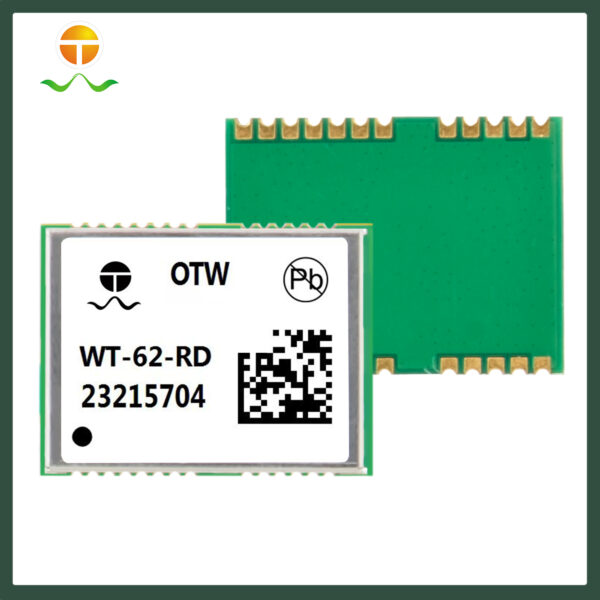
Eine genaue Positionierung sorgt für einen sicheren UAV-Flug. Moderne Drohnen benötigen eine stabile Navigation, um Drift zu vermeiden, Signalverlust, und Misserfolg der Mission. daher, Viele gewerbliche und industrielle Betreiber befassen sich eingehender mit der Antennenleistung. Sie konzentrieren sich nun darauf, wie ein GNSS-Modulhersteller die UAV-Leistung im Kern verbessern kann. Wenn der Markt wächst, Ein zuverlässiges GNSS-Design wird zu einem strategischen Vorteil.
In diesem Artikel, Ich erkläre, wie die Antennentechnik die Positionierungsstabilität von UAVs beeinflusst. Außerdem zeige ich, wie Hersteller die Designqualität verfeinern, Lärm reduzieren, und die Signalzuverlässigkeit verbessern. Endlich, Sie erfahren, warum die Wahl von Anze als Ihr GNSS-Modulpartner die Produktleistung und die allgemeine Flugsicherheit stärkt.
Warum die GNSS-Leistung für jedes UAV wichtig ist
Jedes UAV ist auf Echtzeitpositionierung angewiesen. Selbst eine kleine Drift beeinträchtigt die Navigation. daher, Im Zentrum der Flugsicherheit steht ein hochpräzises GNSS-Modul. Wenn Antennen schlecht funktionieren, UAVs stehen vor schwerwiegenden Problemen:
-
Positionssprünge während des Fluges
-
Kursinstabilität bei windigen Bedingungen
-
Mehrwegefehler in Städten
-
Langsame Wiederherstellung der Verbindung nach einer Störung
Diese Probleme betreffen kommerzielle Lieferdrohnen, Inspektions-UAVs, Mapping-Plattformen, Landwirtschaftsflugzeuge, und Verteidigungssysteme. Jedoch, Fortschrittliche Antennen reduzieren diese Risiken. Ein professioneller GNSS-Modulhersteller verwendet bessere Materialien, straffere Abstimmung, und intelligentere Designs. Folglich, UAV-Betreiber gewinnen stabil, genau, und sichere Flugleistung.

Wie die GNSS-Modultechnik die UAV-Stabilität stärkt
Das hochwertige GNSS-Design erhöht die UAV-Zuverlässigkeit. Jedoch, Nur wenige Benutzer verstehen die technische Arbeit hinter diesen Antennen. Unten, Ich erkläre, wie Hersteller die Positionierungsstabilität verbessern und Störungen minimieren.
1. Präzise Antennenarchitektur für eine stärkere Signalerfassung
Ein GNSS-Modul fungiert als erste Stufe des UAV-Navigationssystems. daher, Seine Struktur muss Satellitensignale präzise erfassen.
Zu den wichtigsten architektonischen Merkmalen gehören::
-
Hoher Gewinn um schwache Satellitensignale zu erfassen
-
Große Strahlbreite um bei schnellen Manövern eine stabile Spurführung aufrechtzuerhalten
-
Niedriger Rauschwert um die Signalklarheit zu verbessern
-
Die Grundebene wurde optimiert zur Kontrolle der Antennenstrahlung
Diese Designoptionen erhöhen die Empfindlichkeit. Infolge, Das UAV empfängt stärkere und sauberere Satellitendaten. Dies erhöht direkt die Positionierungsstabilität in komplexen Flugumgebungen.
2. Multifrequenz-Design für höhere Positionierungsgenauigkeit
Moderne UAV-Missionen erfordern Präzision im Zentimeterbereich. daher, Das GNSS-Modul muss mehrere Frequenzbänder wie GPS L1/L2/L5 empfangen, BDS B1/B2, oder Galileo E1/E5.
Zu den Vorteilen mehrerer Frequenzen gehören::
-
Schnellere Konvergenz
-
Bessere Anti-Interferenz
-
Reduzierter Ionosphärenfehler
-
Höhere Genauigkeit bei RTK-Missionen
Eine gut konzipierte Mehrfrequenzantenne empfängt Signale schnell. Außerdem bleibt die Genauigkeit erhalten, wenn sich die Drohne schnell bewegt oder die Höhe ändert. Daher, Die Positionierungsstabilität des UAV verbessert sich erheblich.
3. Anti-Interferenz-Technik für sicherere UAV-Flüge
Störungen gefährden die Flugsicherheit von UAVs. Hochleistungssender, Gebäude, und selbst die interne Elektronik des UAV verursacht Störungen. Ein GNSS-Modulhersteller reduziert diese Probleme durch fortschrittliche Technologien.
Zu den gängigen Anti-Interferenz-Lösungen gehören::
-
SAW- oder LC-Filter die Hochleistungsrauschen entfernen
-
Hohe Isolation Dadurch wird eine interne HF-Kopplung verhindert
-
Geschirmtes Strukturdesign die externe Störungen blockiert
-
Niedriges Axialverhältnis um Mehrwegeverzerrungen zu reduzieren
Diese Maßnahmen erhöhen die Signalzuverlässigkeit. daher, UAVs behalten auch in rauen HF-Umgebungen eine stabile Positionierung bei.
4. Mechanische Zuverlässigkeit, um rauen Flugbedingungen standzuhalten
UAVs arbeiten bei Hitze, kalt, Regen, und starke Vibrationen. daher, Die Antennenhardware muss stabil bleiben.
In der Regel bietet sich hierfür ein langlebiges GNSS-Modul an:
-
Hochschlagfestes Gehäuse
-
Wasser- und staubdichte Abdichtung
-
UV-beständige Materialien
-
Stabile Leistung bei Vibration
Diese Funktionen reduzieren Signalverluste, die durch mechanische Belastung verursacht werden. Sie schützen auch empfindliche HF-Komponenten. Folglich, Die Flugsicherheit verbessert sich.
5. Kalibrierung und Tests zur Gewährleistung einer stabilen Positionierung
Professionelle Hersteller befolgen strenge Validierungsstandards. Sie verwenden fortschrittliche Testplattformen, um die Antennengenauigkeit zu überprüfen.
Zu den typischen Tests gehören::
-
Strahlungstests in einer schalltoten Kammer
-
GNSS-Signalsimulatortests
-
Mehrwege-Unterdrückungstests
-
Verstärkungs- und Phasenzentrumskonsistenztests
-
Langzeitstabilitätstests
Durch Tests wird eine gleichbleibende Leistung sichergestellt. daher, UAV-Betreiber erhalten vorhersehbare Positionierungsergebnisse. Dies ist für die Kartierung unerlässlich, Inspektion, und automatisierte Missionen.

Warum Ihr UAV-Projekt einen Hersteller hochwertiger GNSS-Module benötigt
Ein zuverlässiger GNSS-Modulhersteller stärkt Ihre UAV-Produktlinie. Ihr technisches Know-how verbessert die Positionierungsgenauigkeit, Stabilität, und Missionssicherheit. Jedoch, Nicht alle Lieferanten liefern die gleiche Qualität. Erweiterte Materialauswahl, Designpräzision, und eine strenge Qualitätskontrolle bestimmen die endgültige Leistung.
daher, Die Wahl des richtigen Partners wird zu einer strategischen Entscheidung. Ein vertrauenswürdiger Hersteller bietet technischen Support, Anpassungsdienste, und langfristige Qualitätssicherung. Zusätzlich, Sie tragen dazu bei, die durch Signalverluste verursachten Risiken zu reduzieren, instabile Navigation, und schlechte Anti-Interferenz.
Warum sollten Sie Anze als Ihren GNSS-Modulpartner wählen??
Du bekommst:
-
Stabile GNSS-Leistung in allen Flugmodi
-
zuverlässige Anti-Interferenz-Technik
-
Multifrequenz- und High-Gain-Designoptionen
-
Hohe Haltbarkeit für raue Einsatzumgebungen
-
gleichbleibende Qualität in der Großserienfertigung
Wählen Antic als Ihr GNSS-Modulpartner sorgt für Produktqualität. Es stärkt auch die UAV-Stabilität, Genauigkeit, und allgemeine Flugsicherheit.
So stärken Sie Ihr UAV mit einer besseren GNSS-Modultechnik
Wenn Sie eine höhere UAV-Positionierungsstabilität wünschen, Beginnen Sie mit dem Antennendesign. Bewerten Sie Ihr aktuelles System. Überprüfen Sie, ob es unter Drift leidet, Lärm, oder langsame RTK-Korrekturen. Dann passen Sie Ihre Anwendung mit der richtigen Antennenarchitektur an.
A professioneller Hersteller von GNSS-Modulen wird Sie durch den Weg führen:
-
Designauswahl
-
Frequenzplanung
-
Mechanische Anpassung
-
Stecker- und Kabelintegration
-
Unterstützung bei Feldtests
Eine starke Positionierung beginnt mit starker Hardware. daher, Die Aufrüstung der Antenne bietet eine der schnellsten Möglichkeiten, die UAV-Leistung zu verbessern.

Abschluss
Die Stabilität der UAV-Positionierung hängt von vielen Systemen ab. Jedoch, Das GNSS-Modul beeinflusst die Genauigkeit stärker, als den meisten Benutzern bewusst ist. Fortschrittliche Technik verbessert die Signalstärke, verringert Interferenzen, und erhöht die allgemeine Flugsicherheit. daher, Betreiber sollten einen zuverlässigen Hersteller von GNSS-Modulen wählen, um eine starke Navigationsleistung sicherzustellen.
Auswählen Antic als Ihr GNSS-Modulpartner sorgt für Qualität, Stabilität, und Zuverlässigkeit auf Missionsebene. Mit besseren Antennen, Ihre UAVs fliegen sicherer, genauer verfolgen, und liefern in jeder Umgebung konsistente Ergebnisse.
FAQs
1. Wie verbessert ein GNSS-Modulhersteller die UAV-Genauigkeit??
Sie verfeinern die Antennenarchitektur, Gewinn optimieren, Lärm reduzieren, und verwenden Sie Mehrfrequenzdesigns, um eine präzise und stabile Positionierung zu gewährleisten.
2. Warum ist Multifrequenz-GNSS für die Flugsicherheit von UAVs wichtig??
Es reduziert Fehler, verbessert die RTK-Leistung, und behält die Genauigkeit auch in störungsreichen Umgebungen bei.
3. Warum sollten sich UAV-Marken für Anze für GNSS-Module entscheiden??
Anze bietet zuverlässige Antennenqualität, starke stabilität, und fortschrittliche Anti-Interferenz-Leistung, die die Flugsicherheit von UAVs erhöht.