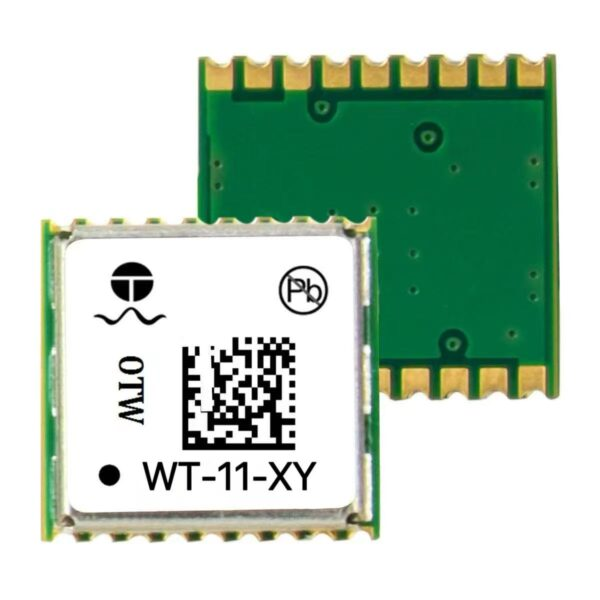
Der Verlust eines Haustiers in einer überfüllten Stadt ist der schlimmste Albtraum eines jeden Besitzers. 🏙️ In dicht besiedelten Stadtgebieten, Herkömmliches GPS versagt oft. Ist Ihnen schon einmal aufgefallen, dass Ihr Tracker Ihren Hund in einem Gebäude anzeigt?? Dies liegt daran, dass Wolkenkratzer Satellitensignale blockieren und reflektieren.
Zum Glück, 2026 Technologie bietet eine leistungsstarke Lösung. Das GNSS-Modul zur Haustierverfolgung nutzt jetzt Dualband L1+L5-Unterstützung. Diese fortschrittliche Technologie bietet “Gehwegniveau” Genauigkeit für Ihre pelzigen Freunde. In diesem Artikel wird erläutert, wie L1+L5 städtische Trackingprobleme löst. Wir zeigen Ihnen, warum Ihr Haustier dieses Upgrade braucht. Ihre Sicherheit beginnt mit einer besseren Signalpräzision. 🐕🦺
Die Urban Canyon Challenge: Warum Standard-GPS versagt
Städte sind “städtische Schluchten” für Radiowellen. Hohe Gebäude erzeugen ein Phänomen namens “Mehrwegestörungen.” 🏢 Standard-Nur-L1-Tracker haben in diesen Umgebungen Probleme.
Was ist Mehrwegeinterferenz??
Satellitensignale werden oft von Glas und Beton reflektiert. Ein Einbandempfänger wird durch diese Echos verwirrt. Folglich, Das Gerät berechnet eine falsche Position. Ihr Tracker zeigt Ihr Haustier möglicherweise einen Block von seinem tatsächlichen Standort entfernt an. Dieser Fehler macht es viel schwieriger, ein verlorenes Haustier zu finden.
Signalblockierung und -dämpfung
Enge Straßen begrenzen die Anzahl sichtbarer Satelliten. Außerdem, Starke Baumbedeckung in Parks schwächt das L1-Signal. Diese Hindernisse verursachen “Signaldrift” oder völliger Verbindungsverlust. Für einen Haustierbesitzer, diese “blinde Flecken” sind gefährlich. Ein GNSS-Modul zur Haustierortung muss diese Hürden überwinden, um effektiv zu sein.
Die Wissenschaft der L1+L5-Dualband-Unterstützung
Dualband-GNSS nutzt zwei separate Frequenzen desselben Satelliten. Es kombiniert das alte L1-Signal mit dem modernen L5-Signal. 🛰️
-
L1-Band (1575.42 MHz): Die seit Jahrzehnten verwendete Standardfrequenz für zivile Zwecke.
-
L5-Band (1176.45 MHz): Eine höhere Macht, “Lebenssicherheit” Frequenz.
Indem wir beides empfangen, Das GNSS-Modul zur Haustierortung vergleicht die Daten. Es berechnet den Zeitunterschied zwischen den beiden Wellen. Dieser Prozess hilft dem Modul, reflektierte Signale zu identifizieren und zu ignorieren. Folglich, Das Gerät bietet eine wesentlich stabilere Standortbestimmung. Es ist, als hätte man zwei Augenpaare statt nur einem. 👁️👁️
Hauptvorteile von L5 für die Sicherheit von Haustieren in der Stadt
Die L5-Frequenz wurde speziell für anspruchsvolle Umgebungen entwickelt. Es bietet mehrere technische Vorteile für Haustier-Wearables.
Höhere Signalleistung und Bandbreite
L5-Signale sind doppelt so stark wie L1-Signale. ⚡ Diese zusätzliche Stärke hilft dem Signal, städtisches Laub und helle Strukturen zu durchdringen. Außerdem, L5 hat eine größere Bandbreite. Dadurch kann das Modul die unterscheiden “direkt” Signal von “Echos” einfacher. Der Standort Ihres Haustiers bleibt präzise, sogar unter einem dichten Blätterdach von Stadtbäumen.
Bessere ionosphärische Korrektur
Die Atmosphäre kann Satellitensignale unterschiedlich schnell verzögern. Durch die gemeinsame Verwendung von L1 und L5, Das Modul korrigiert diese Fehler automatisch. Dies führt in vielen Situationen zu einer Genauigkeit von unter einem Meter. In einer Stadt, Eine Genauigkeit von einem Meter ist lebensrettend. Sie können genau sehen, auf welcher Straßenseite sich Ihr Haustier befindet.
Schnellere Zeit bis zur ersten Reparatur (TTFF) in belebten Gegenden
Wenn Ihr Haustier aus der Tür rennt, Jede Sekunde zählt. 🕒 Sie benötigen sofort eine Standortbestimmung.
Herkömmliche Module brauchen Zeit “sperren” auf Satelliten in Städten. Jedoch, A Multiband-GNSS-Modul für die Haustierverfolgung beschleunigt dies. Es greift auf mehr Signaldaten von mehreren Konstellationen wie GPS zu, Galileo, und Beidou. Folglich, Der Tracker findet den Standort Ihres Haustieres in Sekundenschnelle. Diese schnelle Reaktionszeit verringert das Gefahrenfenster. Es stellt sicher, dass Sie Ihr Haustier verfolgen können, bevor es sich zu weit entfernt.
Reduzierter Stromverbrauch für längere Batterielebensdauer
Die Akkulaufzeit ist die größte Hürde für Haustier-Wearables. 🔋 Besitzer hassen es, Tracker jede Nacht aufzuladen.
Überraschenderweise, L1+L5-Technologie kann tatsächlich Energie sparen. Weil das Modul schneller eine Position findet, es kostet weniger Zeit “suchen.” Der interne Prozessor kann eintreten “Schlafmodus” häufiger. daher, Das Halsband Ihres Haustiers hält mit einer einzigen Ladung länger. Sie erhalten eine höhere Genauigkeit, ohne die Laufzeit des Geräts zu beeinträchtigen. Es ist eine Win-Win-Situation für Haustiere und Besitzer. 🌟
Machen Sie die Sicherheit Ihres Haustieres zukunftssicher 2026
Die globale Satelliteninfrastruktur entwickelt sich ständig weiter. Jeden Monat starten moderne Satelliten mit L5-Fähigkeiten. 🚀
Die Investition in ein Dualband-GNSS-Modul zur Haustierverfolgung ist ein kluger Schachzug. Es stellt sicher, dass Ihr Gerät mit den neuesten Satelliten-Upgrades kompatibel bleibt. Ältere L1-Geräte werden sich bald langsam und ungenau anfühlen. Ein Multiband-Tracker bietet das höchste derzeit verfügbare Maß an Sicherheit. Es ist eine erstklassige Wahl für engagierte Haustiereltern. Ihr Haustier verdient die beste Schutztechnologie, die es bieten kann.

Sorgenfreiheit auf Bürgersteigniveau
Zusammenfassend, Die L1+L5-Unterstützung ist für Stadtbewohner von entscheidender Bedeutung. Es beseitigt effektiv das “städtische Schlucht” Fehler, die alte Tracker plagen. Das GNSS-Modul zur Haustierortung wird zum zuverlässigen Lebensretter. Es bietet eine bessere Penetration, höhere Genauigkeit, und schnellere Reaktionszeiten. 🐶
Lassen Sie nicht zu, dass Signalechos Ihr Haustier vor Ihnen verbergen. Upgrade auf a Multiband-Lösung für das zuverlässigste Tracking-Erlebnis. Schützen Sie Ihre abenteuerlustigen Katzen und Hunde im Betondschungel. Mit der richtigen Technologie, Sie sind immer nur einen Klick von Ihrem Haustier entfernt. 🗺️✨